

Oldham Borough Council will spend £682,000 on upgrades to computers as authorities said they were facing 10,000 cyberattacks every day. its
See also: Generative AI: Will it cause “catastrophic” cyberattacks?
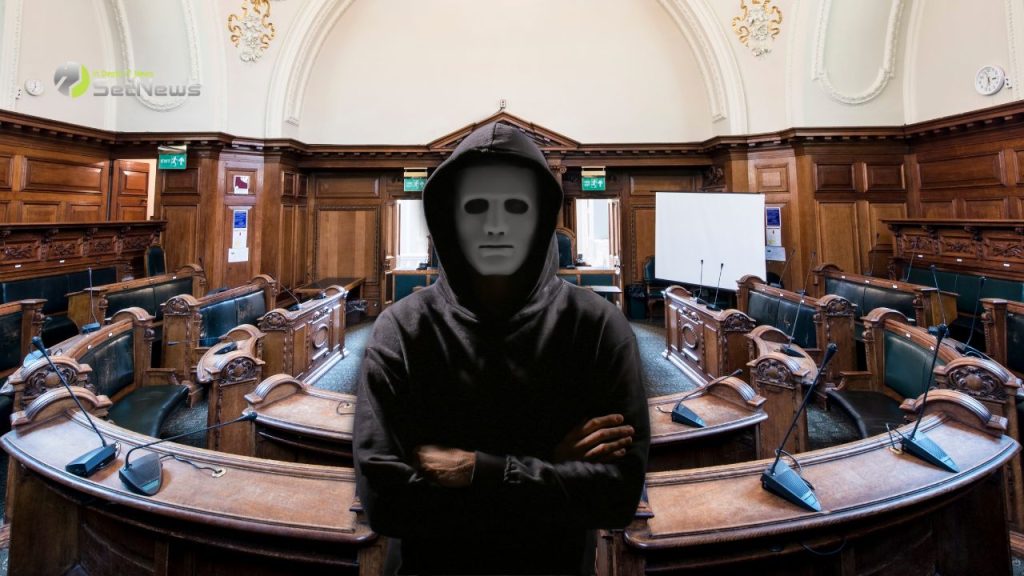
Oldham City Council members said they would use the money to install a “modern data protection service.” According to officials, their current system does not have the ability to protect data backups from “malicious attacks” or protect services located in the Cloud.
Councillor Elaine Taylor said this money “will be well spent”.
The system's purchase is "critical for disaster recovery" and for protection against accidental deletion, corruption and other cases, a council report says.
The move follows attacks on other organisations, including the University of Manchester and Redcar and Cleveland Council, which told a parliamentary committee earlier this year that the 2020 cyberattack cost them £7m and caused eight months of “devastating” disruption.
Ransomware is a type of malware that prevents access to devices and data, with a criminal group demanding a ransom to decrypt the information .
See also: Cyberattacks increase as hackers threaten Israel's security
According to the Local Democracy Reporting Service , the attackers may also threaten to leak the stolen data.
Speaking at the Oldham council meeting, Finance and Corporate Resources Minister and councillor Abdul Jabbar said: “We are experiencing 10,000 attacks on our system every day.”

“We have all the known security measures in place to protect our IT systems and we hope this will continue. This means that all services can continue to provide the services our residents need.“
“We store a lot of financial information, personal information for many, many thousands of our customers and we take it very seriously.“
See also: Cyberattacks on “critical infrastructure” are increasing
Common forms of cyberattacks targeting Municipal services include the following:
- Phishing: This attack is usually done through email or text messages, where attackers pretend to be legitimate senders and ask recipients to reveal personal information, such as passwords or credit cards.
- Malware: This is a program that infiltrates a computer or network with the intent to cause damage or steal information. Examples include viruses, spyware, and ransomware.
- DDoS attack: In this attack, attackers attempt to bring down the council's network by causing an overload by sending a large number of requests, rendering it unacceptably slow or irreparably inoperable.
- Social Engineering: This attack exploits human weakness and naivety. Attackers try to convince council employees to reveal personal information or do something that will allow the system's security to be breached.
Source: BBC
