

Two years after the introduction of a mass surveillance system with thousands of facial recognition security cameras on the streets of the Serbian capital – Belgrade – concern about the impact of the technology continues to grow.
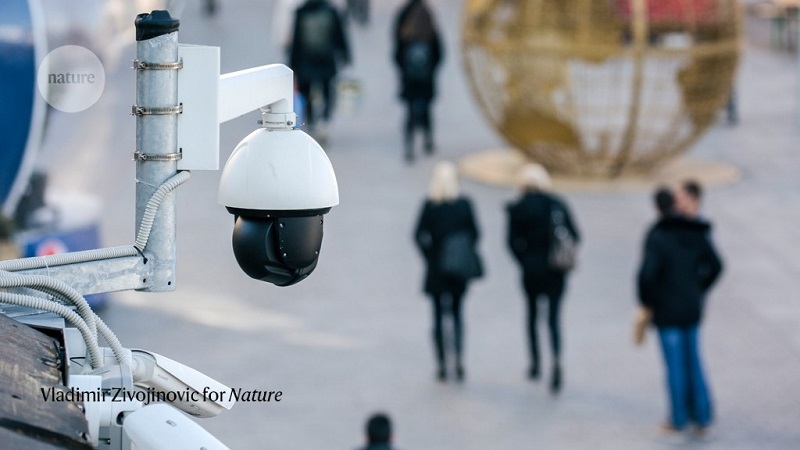
Huawei's surveillance system caused a lot of controversy when it was first released in 2019. Now human and digital rights organizations in the country are warning about the dangers that facial recognition software can bring.
See also: Facial recognition technology wrongly sent black man to prison
During the summer of 2020, the SHARE Foundation, a Belgrade- that advocates for data privacy and digital security, launched a website called “Thousands of cameras,” as a place where Serbian citizens could share their concerns about facial recognition cameras. “The total loss of anonymity represents a certain loss of our freedom – the realization that we are under constant surveillance drastically changes our decisions,” it warns.
See also: Minneapolis: Bans the use of facial recognition software by police
People responded to the initiative and began submitting photos and snapshots from the cameras that have already been installed, pinpointing their exact locations.
“Such infrastructure would allow for mass surveillance of all citizens of Belgrade, with the police already confirming that they would use the identification databases for identification purposes. This is a huge power that will be gained by anyone who has access to this system, and it seems that there are insufficient safeguards to prevent the abuse of such power,” Danilo Krivokapic, director of the SHARE Foundation, told ZDNet.
In May 2020, some mass rallies were held in Belgrade in support of the Serbian government, organized in Belgrade by the ruling party – as the country prepared for parliamentary elections in June.
See also: NSPCC: Over 50% of sexual offences against children are committed via Facebook apps
Serbian President Aleksandar Vucic later issued a statement in which he gave the exact number of people present at the events – 5,790 supporters of the ruling party. This sparked a major debate about whether the monitoring system was actually deployed to monitor and count the number of people at rallies and demonstrations.
The second event took place in July 2020, shortly after the elections. The government wanted to add stricter measures against the COVID-19 in the country and reintroduce lockdowns.
Many protesters protested against Vucic and police had to use force to disperse the rioters. After the incident, human rights organization Amnesty International warned that it had received “credible reports” that police used facial recognition cameras to identify the rioters.
According to Krivokapic, the initiative introduced by the SHARE Foundation is part of the opposition to the installation and use of biometric surveillance not only in Serbia, but throughout Europe, as part of the “Reclaim Your Face” movement.
Information source: zdnet.com
