

As COVID-19 vaccines begin to roll out in the U.S. and Greece, many are dreaming of the day they can travel, shop, and enjoy entertainment. But to make that dream a reality, they may need to do something more than just get vaccinated. What would that be? An application for a vaccine passport.
Many companies and technology groups have begun developing smartphone or systems for individuals to upload information about COVID-19 testing and vaccinations, creating digital credentials that individuals could show to enter concert venues, stadiums, movie theaters, offices, or even countries.
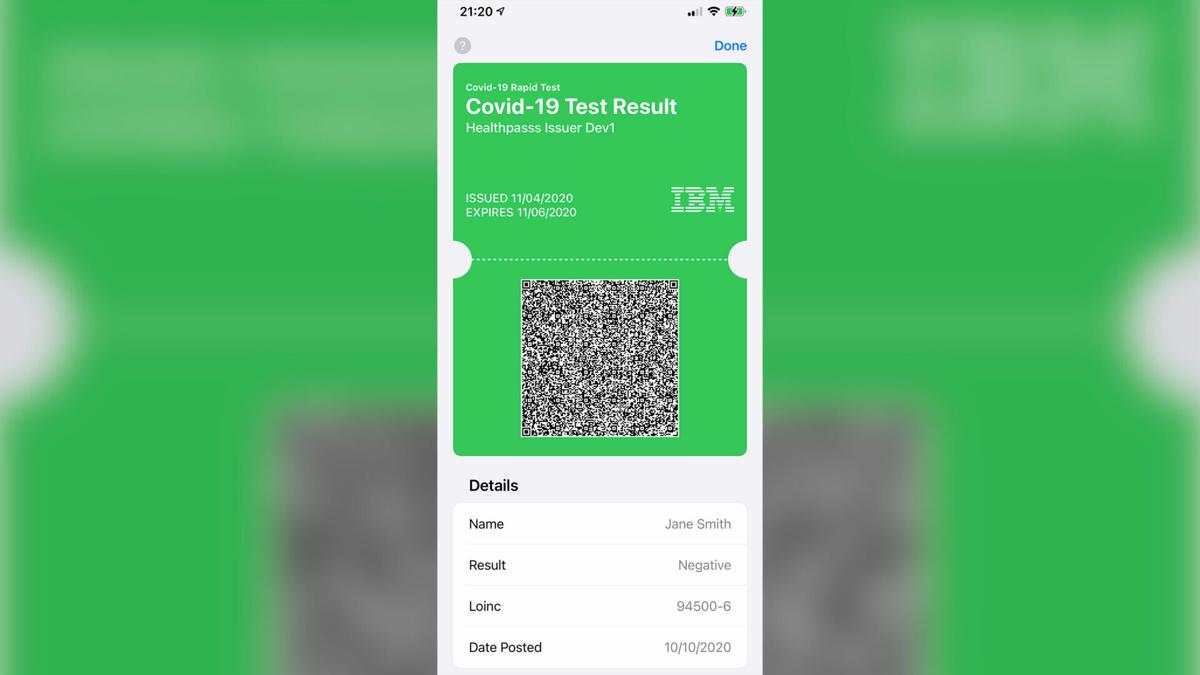
The Common Trust Network, an initiative of the Geneva-based non-profit “The Commons Project” and the World Economic Forum, has partnered with several airlines (Cathay Pacific, JetBlue, Lufthansa, Swiss Airlines, United Airlines and Virgin Atlantic) as well as hundreds of health systems across the US and the government of Aruba.
The “CommonPass” app created by the group allows users to upload medical data, such as COVID-19 test results, or scan it as a QR code that they can show to authorities without revealing sensitive information. For travel, the app lists health clearance requirements at departure and arrival points based on each user’s itinerary.

Many tech giants are following a similar tactic. For example, IBM has developed its own app, called “Digital Health Pass,” which allows companies and venues to customize the metrics they would require for entry, including COVID-19 tests, temperature checks, and vaccination records. The credentials corresponding to those metrics are then stored in a mobile wallet.
In an effort to address the challenge of returning to normality after vaccines are widely distributed, developers are being asked to address other challenges – from privacy issues to communicating the effectiveness of different vaccines.
Additionally, since the beginning of the pandemic, Apple and Google have put aside their rivalry to jointly develop a Bluetooth-that notifies users if they have been in contact with someone with COVID-19. Many countries and state governments around the world have also developed and used their own apps.
Additionally, the Linux Foundation Public Health has partnered with the COVID-19 Credentials Initiative, a collective of more than 300 people representing dozens of organizations across five continents, and is also working with IBM and CommonPass to help develop a set of universal standards for vaccine credential apps.
Part of ensuring widespread use of vaccine passports is the large subset of the global population that still doesn't use or have access to smartphones. Some companies are also developing a "smart" card that is something between traditional vaccine certificates and a digital version that is easier to store and reproduce.
Once they create a vaccine passport, companies will need to make sure people feel comfortable using it. This means addressing any concerns people have about the handling of personal medical information and the vaccine passport.
The Commons Project, IBM and the Linux Foundation have stressed that privacy is at the heart of their initiatives. IBM says it allows users to control and consent to the use of their health data and allows them to choose the level of information they wish to provide to authorities.

With vaccines being manufactured by many companies in different countries at various stages of development, there are many variables that passport officers will need to take into account.
“A point of entry — whether it’s a border or a place — will want to know if you’ve received the Pfizer vaccine, the Russian vaccine, the Chinese vaccine or something else, so they can make a decision accordingly,”said Thomas Crampton, director of marketing and communications for The Commons Project. He added that the variation can be wide: the vaccine developed by Chinese pharmaceutical company Sinopharm, for example, is 86% effective against COVID-19, while the vaccines made by Pfizer and Moderna are each around 95% effective.

It’s also unclear how effective vaccines are at stopping the spread of the virus, says Dr. Julie Parsonnet, an infectious disease expert at Stanford University. So while a vaccine passport application will show that someone has received a dose of the vaccine, it may not guarantee that that person will be able to safely attend an event or travel. Specifically, Parsonnet said: “We don’t know yet whether vaccinated people can transmit infection or not. Until that is clarified, we won’t know if the passports are effective.”
However, Brian Behlendorf, executive director of the Linux Foundation, expects the availability and adoption of vaccine passports to happen fairly quickly. He also estimates that a variety of applications that can work together will be widely available within the first half of 2021.
