

Public charging points (USB chargers) in airports, hotels, shopping malls and transport stations are a particularly convenient solution when your phone's battery is running low. However, this convenience can come with risks to the security of personal data.
See also: The INIU P50 power bank charges faster and fits in your pocket
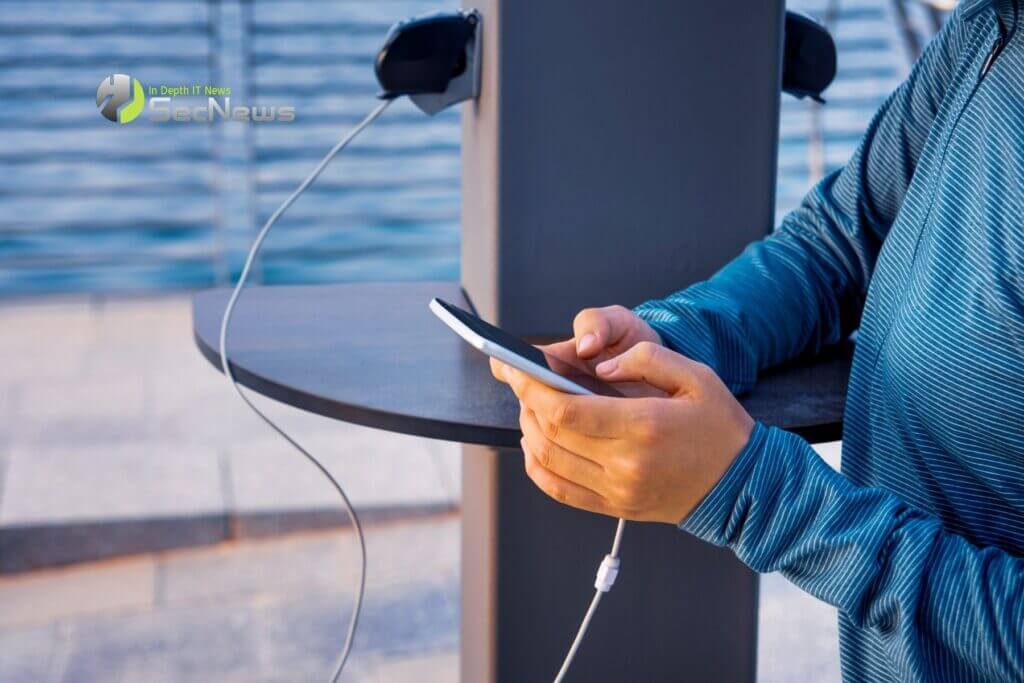
The main reason is that the USB port not only transfers electricity, but can also be used to transfer data. Although attacks via public USB chargers are not common, a maliciously modified station could theoretically attempt to gain access to the device or trick the user into allowing data transfer.
The safest way to charge is to always use your own charger and plug it directly into a power outlet. This way you completely avoid your device communicating with unknown equipment. Carrying a power bank is also useful, especially during summer holidays, where access to power outlets is not always a given.
See also: This free Mac app reveals the truth about mysterious USB-C cables

If there is no other option and you must use a public USB port, consider using a cable or adapter that only supports charging (data blocker). This disables the data lines and only allows power to be supplied to the device.
At the same time, pay attention to the messages that may appear on the mobile screen. If you are asked to select "Transfer files", "Trust this device" or a similar option, reject the request unless you know exactly which device you are connecting to.
Finally, make sure your mobile operating system is up to date, as new versions include security improvements that limit the risks of untrusted USB connections.
See also: Nimble's SharePower is a 10,000mAh Power Bank that splits into two

Using public USB chargers doesn't necessarily mean you're at risk, but a little caution can make a difference. A personal charger, power bank, or data blocker can help you charge your device more safely, without worrying about your personal data while you're on the go.
