

When Microsoft announced that Windows 10 was the final version of Windows, no one expected what followed. Things are not that simple, and this began to become apparent two years after the official release. After two years (maybe a little more) on the market, Windows 10 has ten different versions available.
Each of them uses the same core, but offers slightly different features for users with different needs.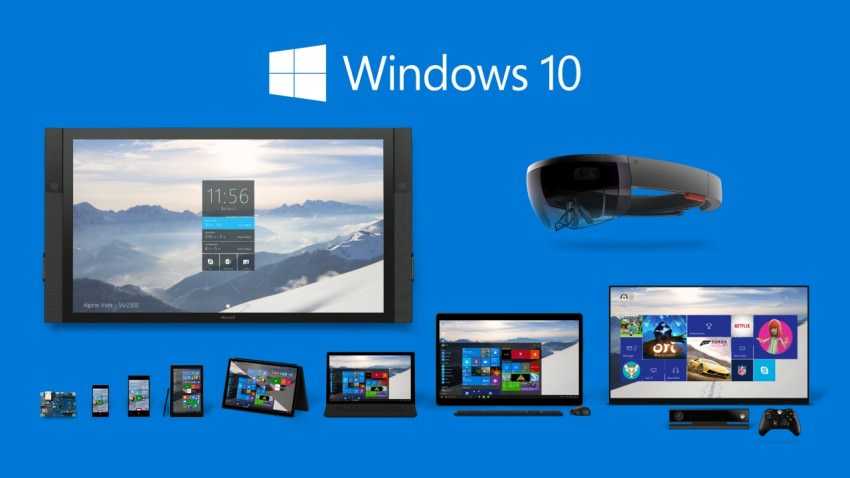
All these versions, along with the ever-changing features of Windows, make it a little difficult for the average user of the operating system to keep track of what's what.
Below we will see how Microsoft fragmented Windows 10 and why such a fragmented environment is needed.
Here's a brief rundown of each version of Windows 10:
Windows 10 Home is the company's standard offering that is still free if you know how and includes everything home users need.
Windows 10 Pro builds on Home and includes additional features for power users and small businesses.
Windows 10 S is a Chromebook competitor that allows you to install apps only from the Windows Store.
Windows 10 Enterprise is available only for volume purchasing and has advanced features for large-scale corporate deployment.
Windows 10 Education is a branch of Enterprise with special default settings for education and lower prices for schools.
Windows 10 Pro Education comes pre-installed on computers that schools can buy in bulk at a discount and offers the same features as Pro Education.
Windows 10 Mobile is Microsoft's mobile operating system that, although not very popular, continues to exist.
Windows 10 Mobile Enterprise allows businesses to manage their employees' mobile devices.
Windows 10 IoT replaces Windows Embedded, a lightweight version of Windows that hobbyists or businesses can install on small computing devices, as well as robots or POS applications.
Windows 10 Team is a specialized version of Windows 10 that runs only on the Surface Hub smart whiteboard.
Windows 10 Pro for Workstations supports powerful computers that regularly perform intensive computing.
Too many versions?
We may see others. The above list does not include the various builds of Windows that are released today.
For example, computers with Intel Clover Trail cannot be upgraded to the Creators Update, so Microsoft will support these specific devices running the Anniversary Update until 2023, when the Anniversary Update will no longer be supported since 2018.
The fact that it came from just one piece of hardware added another layer of fragmentation to Windows 10.
Consider those who bought a Windows 8.x laptop in 2013 or 2014 with an Intel Clover Trail processor. Those who tried to update their computer with the Creators Update in March 2017, version 1703, were “lucky” to see the following message:
“Windows 10 is no longer supported on this computer.”
I remember from the beginning of Windows 10's release there were many people who were concerned about hardware compatibility. There were many doubts about upgrading to 10, but Microsoft was persistent, after all, they can still release a version no matter what.
But computers are not smartphones, which die in two to four years. I expect my computers to last at least ten years, especially with Linux.
Sure there are some who say, “No, we need new powerful hardware to handle today’s operating systems and applications.”.
Sorry, but is it just my imagination or is everything moving to the Cloud? Sure, if you edit videos on your computer, you need power. But 99% of your work on a Chromebook running ARM and 2GB of RAM can be done flawlessly. Okay, with Adobe applications you will need RAM, but you can have that on a 64bit PC with Windows 7, which is one of the company's best operating systems anyway.
Obviously Microsoft is developing many different versions in an attempt to keep up with the needs of its customers. That's not a bad thing, by the way. But the story with Clover Trail was... strange and it certainly shows something.
Microsoft has been urging all PC owners to upgrade to Windows 10, and Trail Clover owners are just as encouraged as those running Skylake-based computers.
It would be ridiculous to claim that the company didn't know, since it develops the operating system itself. In my opinion, since Microsoft was urging everyone to upgrade, it essentially promised informal support to everyone. History shows that it didn't keep its promise, leaving many dissatisfied.
So, apart from the endless different versions it releases in the pursuit of money, perhaps Microsoft should adjust its business model by recognizing the fact that the development of today's hardware runs much faster than yesterday.
So it might create a new operating system that requires less or more of the hardware, removing some of the new features that aren't worth it.
Of course, you can always install Linux on your computer. Linux continues to develop, and it is not like the operating system described by some who tried it or didn't try it in 2000. Of course, if you also run applications in the Cloud, you won't miss anything about Windows.
