

Users use VPNs and proxy servers to hide their identity, but what is the difference between them? By comparing proxy and VPN, which is better for you? Let's see what each is and why people use each one.
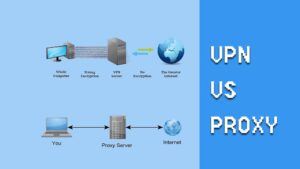
Why we compare VPN networks and Proxy Servers
First, it is better to explain why we compare proxies and VPNs to begin with. The reason we compare them is that both achieve a common goal, hiding your IP address from the websites you visit.
When you visit a website, you can get a general idea of your location from your IP address. Proxies servers and VPNs will hide this information by giving the website their own IP address instead of yours.
As for people who want to hide their IP address, it depends on what the user wants to achieve with their anonymity. This is where the proxy versus VPN confrontation comes in. While both achieve a similar goal, the way they do it is what will make you choose the best one for you.
Understanding Proxy Servers
What is a Proxy Server?
A proxy server is a «middle man» that sits between you and the websites you visit. Usually, you can find proxy servers online on a website. Click on them, enter the site you want to visit and they will take you there.
Proxy servers (proxy servers) operate by taking the web address you give them, then connects to that website and loads its content. Then it forwards these details to you so you can browse the website.
The main advantage of proxy servers (proxy servers) is that you do not connect directly to the website, so it does not see your home IP address. Instead, it sees the IP address of the proxy server, keeping your location secret.
If you visit a proxy service site, it often asks you which country you want the proxy server to originate from. This is more than an innovation, it can be used to fool websites and services by showing that you come from that country.
If you want to gain access to a website but it is blocked in your country, you can use a proxy server located in the country of that specific website. When the website checks which country you are in, it sees the location of the proxy server instead of yours. Then it provides the proxy server access to the website and gives it the details, which are then forwarded to you.
The advantages of Proxy Servers
If you simply want to unlock a website, a proxy server can do it simply and quickly. You don't need to install anything, just visit a free proxy website and select a server from those that are located in the country from which the website originates. This is an extremely short‑term solution for a website that is causing you a problem.
Because proxy servers (proxy servers) can be found online, you can use them from any operating system. You don't need to install any software, just go online and find a server!
The disadvantages of Proxy Servers
Unfortunately, if you want to achieve more than a single simple anonymous visit to a website, a proxy server cannot help you. Even if you only use proxy servers for browsing the internet, you will find that any prolonged use will ultimately be slow and burdensome. If you want to continue anonymous browsing on many sites, you will eventually discover that proxy servers are a waste of time.
What is a VPN?
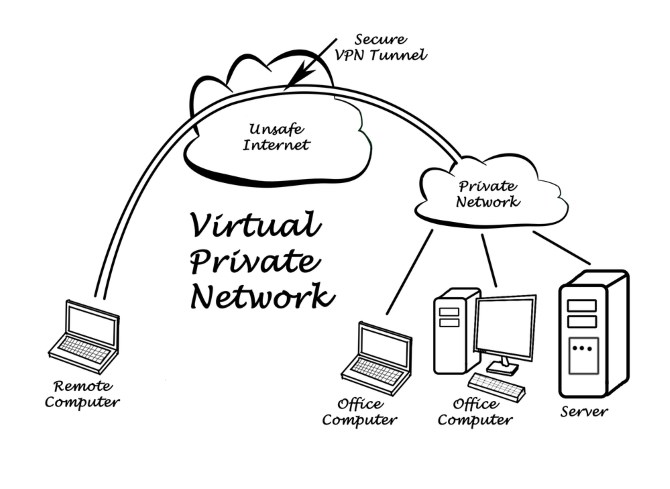
If we look at it superficially, VPNs operate in a similar way to proxy servers. Your data is transferred to a server, they forward it to the destination, then receive the response and give it back to you. The main difference between a VPN and a proxy server is, however, the method of data transport.
When you use a VPN, you first install the VPN software on your computer. When you activate it, the software will encrypt the data you send to the VPN server, making your data unreadable to prying eyes. This is called «tunnel» and helps us imagine it as a physical tunnel in the real world.
If you drive your car on an open road, anyone on the side of the road can see who is in your car, its model and the license plate. However, if you go to your destination through an entire tunnel, no one outside the tunnel can know who is driving, the license plate, etc.
The advantages of a VPN
As you can imagine, VPNs are fantastic for covering your activity on the internet. In contrast, a proxy server does not make your activity anonymous until your data reaches the server itself, which means that anyone looking at your data beforehand (like hackers) can see what you're doing. Because a VPN creates a tunnel from your computer, not even your ISP can see what you send.
This means that you can have a secure, encrypted connection wherever you want. You may already know how hackers can steal people’s identities through public networks, but with a VPN you don’t have to worry about that. If someone monitors your connection, they will see useless encrypted junk.
The disadvantages of a VPN
Unfortunately, this luxury is not cheap. The cost of using a VPN is expensive and only if it is used enough is it worth investing in something like that.
Not only that, but your computer needs encryption of all your data to use it. This means you must install software on your computer to use a VPN. While using it, you may notice a performance drop as your computer encrypts the data before sending.
Proxy vs. VPN: Which is better for you?
If you want to gain access to a website that is blocked in your region and you are not trying to hide your data from anyone, using a proxy server will cover you. The basic options are free and you can use them on almost any computer or device.
Although it's not the best for privacy, if you're not doing anything particularly sensitive it's fine, like if you want to use Netflix from another country.
If you want to do long-term browsing, the VPN is what you need. It offers a secure, anonymous connection with additional layers of protection to keep you safe.
Managing your finances or sending personal information over a public WiFi is usually risky, but a VPN lets you do whatever you want, no matter where you are. The ones worth using aren’t cheap, but if you shop around you’ll find a VPN worth investing in.
Protection of your private life on the internet
If we have to answer which is the better choice between a proxy and a VPN, there really isn’t a clear winner. The answer comes down to your browsing habits and exactly what you want from an anonymous service? Once you understand that, the answer will be much easier!
