

DeepGestalt: Genetic disorders often show up in a person's appearance. People with Noonan syndrome—a genetic condition that stunts mental and physical development—are likely to have larger eyes, for example, and those with Bain-type intellectual disability, which is caused by a mutated X-chromosome gene, have more almond-shaped eyes.
If you're wondering why we're telling you this information, it's because researchers have now trained artificial intelligence to recognize these characteristics, paving the way for early and inexpensive diagnoses via a smart device.
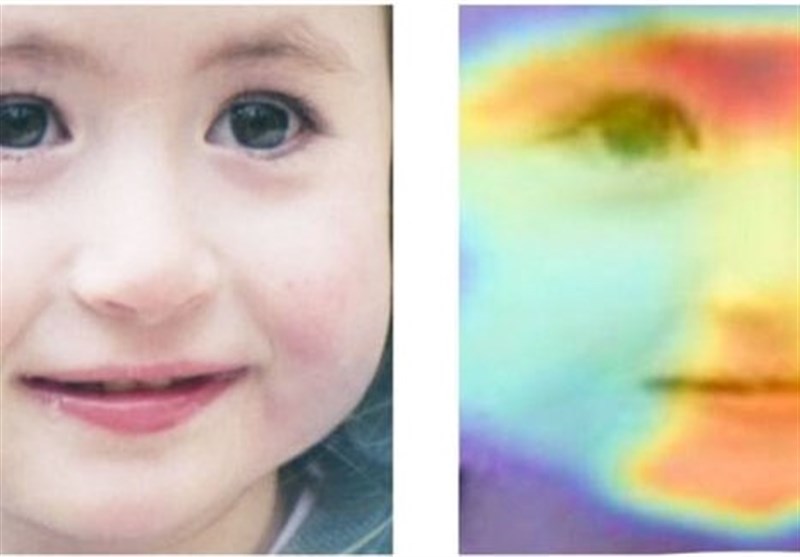
The scientists created a computer program, DeepGestalt, and trained it on a public dataset of more than 17,000 photographs of patients suffering from more than 200 rare disorders. The program then used deep learning to identify which marker patterns were associated with hundreds of different genetic syndromes.
DeepGestalt has helped doctors identify patients with Angelman syndrome and Cornelia de Lange syndrome – an inherited genetic mutation that can cause, among other symptoms, low-set ears and a slightly raised nose.
What is certain is that DeepGestalt is only the beginning of a huge contribution of technology to medicine.
