

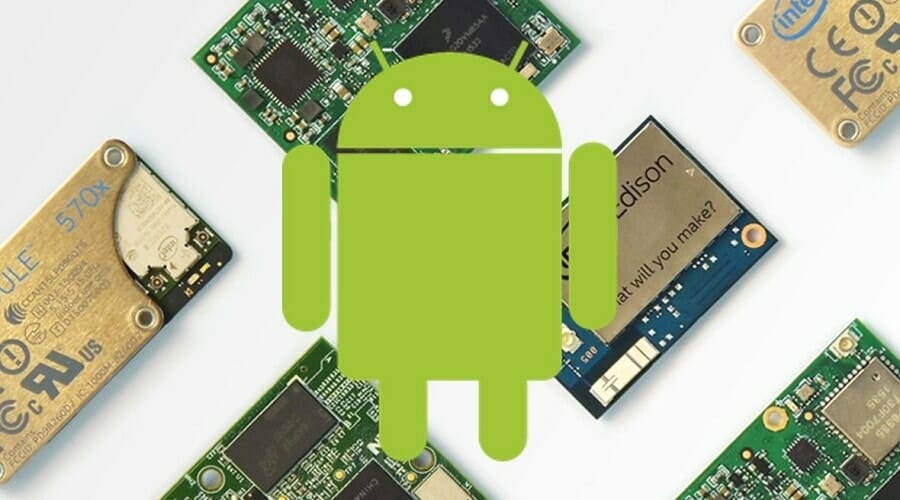
 Google is trying to grab consumers' attention with the release of Android Things 1.0 – an operating systemspecifically designed for Internet of Things (IoT) devices.
Android Things was first announced in 2016. It will allow developers to take advantage of the Google Assistant, Google Cast, and machine learning insights the company offers.
The platform will use the company's back-end infrastructure to get software updates, developer APIs and support for certified hardware. The list of supported platforms includes System-on-Modules (SoMs) based on the Qualcomm SDA212, Qualcomm SDA624, NXP i.MX8M and MediaTek hardware platforms.
Google has promised long-term support, pushing out stability and security updates for three years. The platform will be able to run on a variety of devices, including upcoming smart speakers from LG and iHome, as well as smart displays from Lenovo, LG, and JBL, among others.
However, it doesn’t seem to be limited to typical consumer devices. There are other areas where the platform could be useful. For example, Mirego uses Android Things to feed images to giant screens intended for public spaces. Byteflies, on the other hand, is a large docking station that securely transmits health data from wearables to the cloud.
