

More than 22,000 police officers in London will wear body cameras by September 2017. The widespread deployment of the devices follows years of testing and evaluation, with English police claiming the cameras will help achieve faster justice for victims.
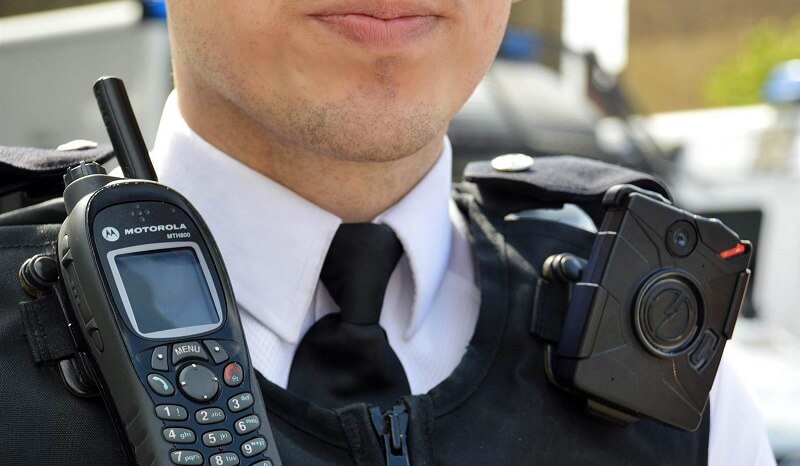
The cameras are made by Taser, will be placed on the front of the officers and will be activated manually. Officers will be required to inform citizens that they are activating the camera, where possible by activating the red light on the front of the device when it is in use. When returned to its charging base, the camera automatically “uploads” the footage it has captured to an electronic police platform. Unless the police explicitly request that the footage be retained as evidence, it is automatically deleted after 31 days. Anyone can request to see scenes in which they participate in accordance with data protection legislation.
“The public will see what we do every day – that will be great,” Metropolitan Police Commissioner Bernard Hogan-Howe said in a press release. “Our experience with body cameras already shows us that people are more likely to plead guilty when they know they may have been caught on camera. This in turn speeds up justice, puts perpetrators behind bars and, most importantly, protects potential victims.”
The impact of body cameras on policing is a complex issue, and the full range of benefits and risks of the technology is not yet known. In England, police say the cameras are particularly useful in domestic abuse cases, with perpetrators pleading guilty knowing they have been recorded. By some measures, the cameras have also helped to “control” police behaviour. A study of police officers in the United States and England found that complaints against the police fell by 93% after the technology was deployed.
In the US, there is hope that body cameras could “cure” public trust in the killings of unarmed black citizens. But in some incidents – such as the killing of 31-year-old Terrence Sterling in September – body cameras were activated after the shootings had begun.
Body cameras continue to be used extensively on both sides of the Atlantic, and last month the Justice Department announced an additional $20 million in funding for new technologies. “Effective public safety requires more than arrests and prosecutions,” said Attorney General Loretta Lynch, “it requires the trust of the citizens we serve.”.

