

Android 17 brings one of the most interesting innovations for foldable smartphones: an exclusive foldable gaming mode that turns half of the internal display into a virtual controller. The new feature places a virtual gamepad with touch controls on the bottom half of the screen, leaving the top half exclusively for gameplay — a solution that promises to change the way we play games on foldable devices. According to Google ’s Mishaal Rahman , the feature is expected to be released “ in the coming months ” and is designed to work with “ any game that supports physical controllers .”
See also: Google Pixel phones get better wireless audio quality in Android 17

Android 17 ’s foldable gaming mode addresses a problem that has plagued foldable device users since the beginning: touch controls often cover significant portions of the screen or lack the precision offered by physical buttons. Before Android 17 , users of foldable devices like the Pixel 10 Pro Fold and Samsung Galaxy Fold were forced to resort to third-party overlays or external controllers, which fragmented the gaming experience. Google decided to integrate the solution directly into the operating system, eliminating the need for external apps or accessories.
The foldable smartphone market is growing rapidly: it is estimated to reach $12.5 billion by 2027, with over 25 million units shipped annually. Today, over 18 million Android foldable users worldwide use their devices primarily for gaming — 42% of daily usage. Gaming app downloads for foldable devices increased by 65% in 2025, with titles like Genshin Impact and Call of Duty: Mobile being optimized for large screens.
Foldable Gaming Mode: Technical Details and Operation
Foldable gaming mode splits the internal display into a 50/50: gameplay on the top half and a full virtual gamepad on the bottom. The virtual controller simulates physical button presses at the system level,meaning it works with any game that supports physical controllers — without requiring any modifications from developers. The virtual gamepad features a D-pad, left and right virtual sticks, A, B, X, Y, L1, L2, L3, R1, R2, R3 , and a start button — a full layout that matches a physical controller.
See also: Google brings Android 17 – Everything about the new version

Activating foldable gaming mode is extremely simple: just unfold the device, either before or after launching a compatible game. The user can customize the gamepad layout in various ways: keep the virtual joysticks in a straight or staggered arrangement, change the size of the buttons, and enable or disable haptics. If a physical controller is connected via Bluetooth, the virtual gamepad is automatically disabled. Early tests show ~10% lower latency compared to third-party overlays, which makes a difference in competitive games.
On the competitive side, Samsung has experimented with gaming optimizations for foldable devices, but it doesn’t have a system-level virtual controller. Apple doesn’t have a similar solution, as the iPhones remain non-foldable. Third-party apps like GameKeyboard offer similar functionality, but require manual setup and lack system-level emulation. Analysts at Counterpoint Research estimate that the new feature could increase foldable device adoption by 15-20% among gamers.
Foldable gaming mode will initially launch on Pixel devices, followed by Samsung and OnePlus in late 2026. In the long term, Google is considering expanding the feature to tablets and AR/VR headsets, while integration with Gemini Intelligence (coming summer 2026) could enable AI-driven controller customization based on the type of game you’re playing. The move positions Google as a leader in mobile gaming infrastructure, aiming to attract more high-fidelity games to Android and reduce reliance on iOS for premium gaming experiences.
See also: Rokarolla: Android malware steals PINs, SMS codes and money
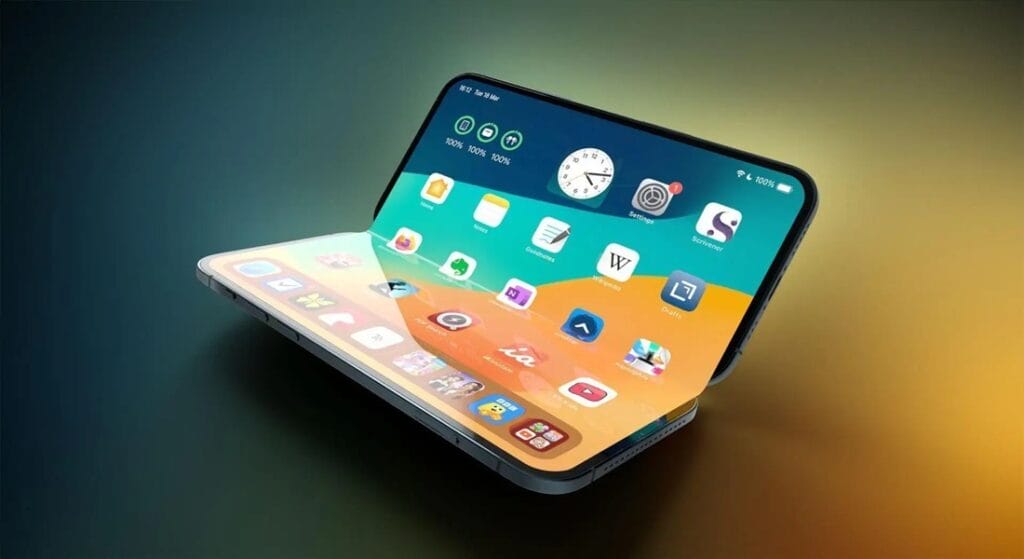
Overall, Android 17 's foldable gaming mode represents a strategic move that transforms foldable smartphones from "flexible displays" into true gaming platforms. By eliminating the need for external controllers and offering a native, system-level solution, Google is setting new standards for mobile gaming.
