

Data from NASA's Perseverance rover confirms the presence of macromolecular carbon on Mars, offering another possible piece to the puzzle of the search for life on the Red Planet.
See also: A meteorite from Mars revealed a geological secret!
Researchers have discovered a new piece of Mars' geological history that bolsters the hypothesis that the planet may have once hosted life. According to new findings from Perseverance, clayey sedimentary formations in Jezero Crater contain a complex form of carbon, the basic chemical ingredient of all known life forms. This is the largest concentration of organic molecules ever found on Mars.
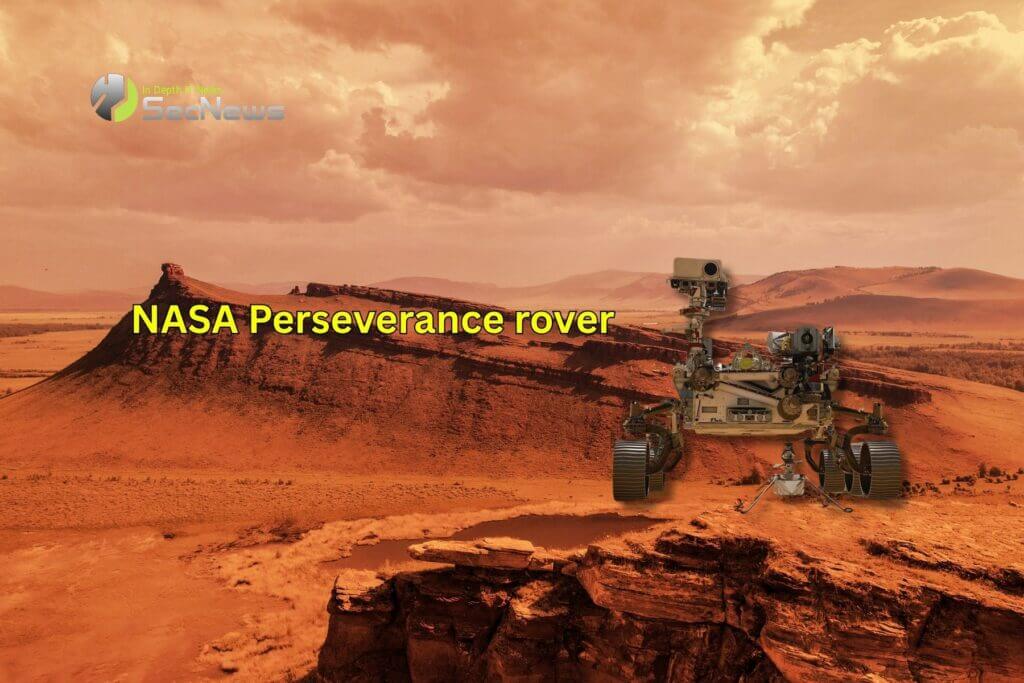
Although the presence of carbon alone does not prove that life developed on Mars, the location of the discovery makes the finding particularly significant. The so-called “macromolecular carbon” was found near other potential biosignatures, or clues that could be related to ancient life, that were announced by NASA in 2025. This geological context strengthens the possibility that microbial organisms once colonized the surface of Mars. The results of the study were published June 24 in the journal Science Advances.
See also: NASA: Lost contact with MAVEN spacecraft during its pass behind Mars

Perseverance landed in Jezero Crater on February 18, 2021. Since then, the area has emerged as one of the most geologically interesting sites on Mars. According to Ashley Murphy, at the Planetary Science Institute and co-author of the study, Jezero Crater was once fed by water and sediment via rivers and, billions of years ago, was home to a lake.
However, it is possible that the area was home to much more than just a lake. A study published last year in the journal Nature showed that some rocks in the Bright Angel area of Jezero Crater contain clay materials and other minerals, which on Earth are known to help preserve fossils.
See also: Mars: NASA published the most impressive selfie from Perseverance
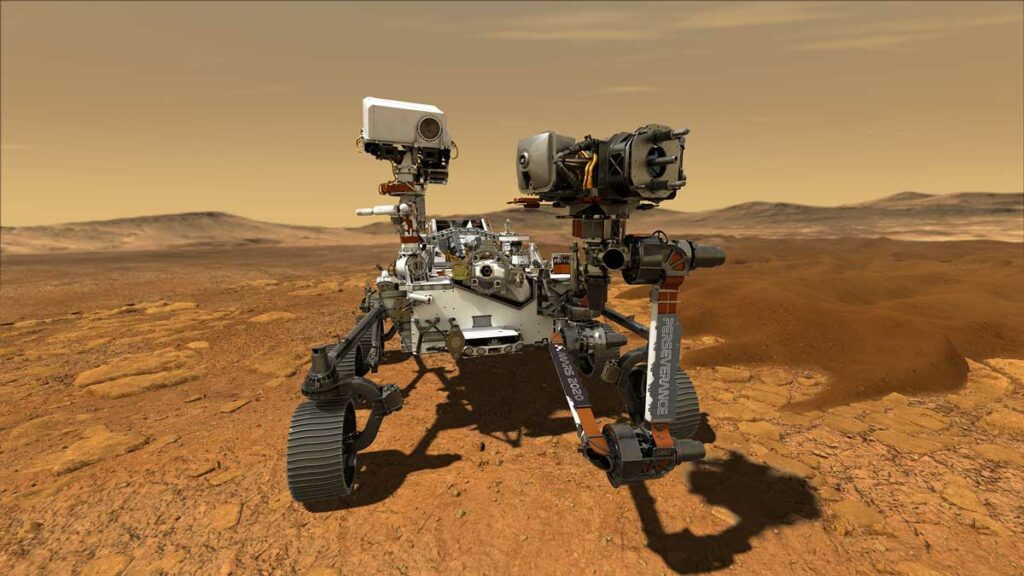
Of particular interest was a sample from a rock called Cheyava Falls. The patterns it displays resemble traces left by microorganisms on Earth, which piqued the interest of scientists. Although these formations could have been created by non-biological processes, NASA officials described the find as one of the strongest indications yet that microbial life may have once existed on Mars.
