

For the past three years, “Meta” and “Ray-Ban” have been synonymous in the smart glasses space. Not anymore.
See also: Meta wants to bring facial recognition to Ray-Ban smart glasses

Meta could have gone it alone from the start, but partnering with EssilorLuxottica and the Ray-Ban brand was a smart move to enter the smart glasses market. Previous smart glasses often looked like they came out of a science fiction movie or were clunky enough to be unattractive. Ray-Ban’s iconic silhouettes, name recognition, and cultural value helped give Meta’s glasses a sense of legitimacy.
The fact that these smart glasses actually looked like regular glasses that you wouldn’t be embarrassed to wear was a simple but inspired design choice. However, the biggest obstacle for the glasses may be their connection to Meta and its history of privacy scandals. Recently, both The New York Times and Wired reported that the company is actively developing a facial recognition feature for its smart glasses.
Facial recognition technology has raised concerns about privacy and data security. The ability to identify faces in real time and link them to personal information could lead to abuses, such as tracking people without their consent. Meta has pledged to implement strict security protocols to protect user data, but concerns remain, especially given the company's history with privacy issues.
A conspiracy theorist might wonder if the removal of the Ray-Ban branding is an attempt by EssilorLuxottica to distance itself from Meta. Not exactly. If you look inside the temple of the new Meta Fury, Meta Adventurer , and Meta Glasses by Kylie, they all have the EssilorLuxottica name engraved on the inside, albeit in a small font that's hard to read in low light.
See also: Meta: Preview of Artificial Intelligence Features in Ray-Ban Smart Glasses
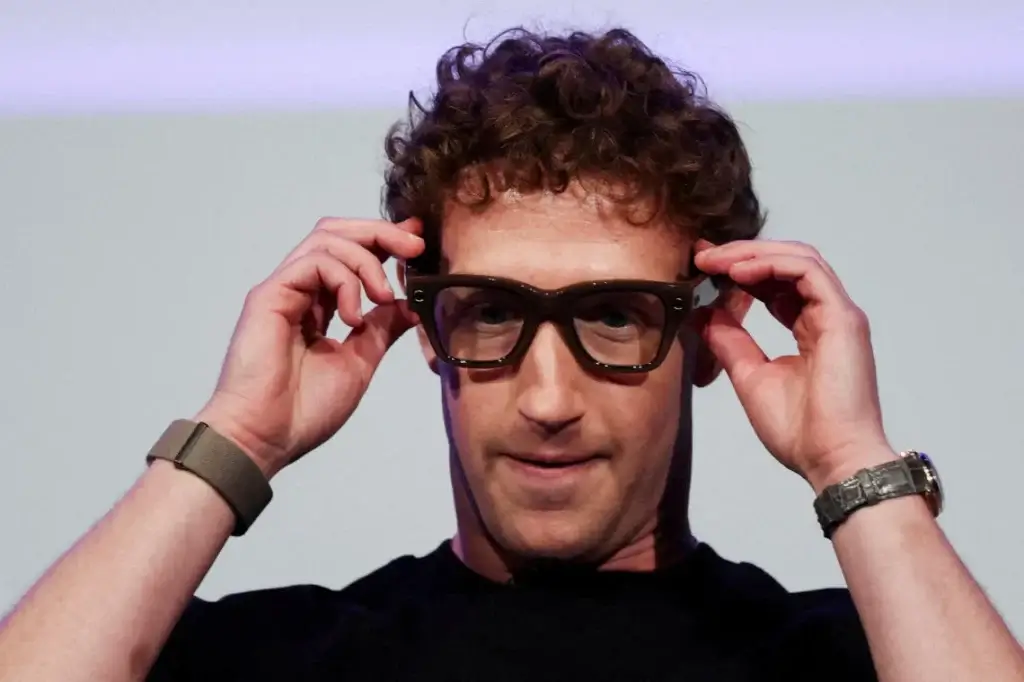
EssilorLuxottica helped design these glasses, as well as the components used in their manufacture and final shipment. According to Meta executives, there is one major reason for the Ray-Ban rejection: price. The Meta Glasses start at $299, which is about $80 cheaper than the original price for the Ray-Ban Meta Gen 2.
“We just felt like we needed to have a pair of glasses at a lower price point and we were trying to figure out what would work. [EssilorLuxottica] has glasses in brands that are at lower price points, but they’re not really as well-known, so there wasn’t an obvious choice there,” adds Alex Himel, Meta’s VP of wearables.
In terms of style and specs, the Meta Glasses aren't much different from Ray-Bans. The internal specs are the same as the recently released Ray-Ban Meta Optics Styles, with slightly longer battery life. The Adventurer models have thinner frames, while the Fury models are closer to the Meta Ray-Ban Display with a bolder, more chunky frame. The Adventurer can be described as square and the Fury as even more square. The Kylie glasses feature a more unique design with a distinct Y2K aesthetic.
Meta's decision to offer the Meta Glasses at a lower price point may be a strategy to appeal to a wider audience. Lowering the price could make the technology more accessible to more consumers, thereby increasing adoption of the smart glasses. At the same time, partnering with Kylie Jenner adds an extra dimension to the marketing, as her social media influence could attract younger consumers who are interested in fashion and technology.
See also: Lawsuit against Meta for Ray-Ban Meta glasses

The smart glasses market is at an interesting juncture as technological advancements continue to be incorporated into everyday objects. The Meta Glasses represent a step towards integrating technology into everyday life in a way that is both functional and aesthetically pleasing. However, their success will depend on how privacy and security concerns are addressed, as well as how well they can compete with other companies entering the space.
