

Apple today announced that Tap to Pay on iPhone is now available in eight additional countries: Argentina, Colombia, Costa Rica, Dominican Republic, Guatemala, Honduras, Panama and Peru. This new feature allows businesses to accept contactless payments directly on their iPhone, without the need for additional point-of-sale equipment. Customers can simply tap their iPhone or Apple Watch, credit or debit card, or other contactless payment option on the merchant’s iPhone.
See also: Tap to Pay feature on iPhone comes to Malaysia
Tap to Pay on iPhone is a major advancement for small and medium-sized businesses, allowing them to accept payments in a simple and secure way, without the need for additional equipment or complicated processes. This technology leverages the security and convenience offered by the Apple ecosystem, making it an ideal solution for businesses looking to modernize their payment processes.
Apple has invested heavily in developing innovative payment solutions, and Tap to Pay on iPhone is one of the latest examples of this strategy. The feature has already been successfully launched in several countries, and its expansion to eight more countries in Latin America is an important step in Apple's further penetration of the global payments market.
The technology behind Tap to Pay on iPhone builds on the security and reliability of Apple Pay. All transactions are encrypted and protected by iPhone’s Secure Element technology, ensuring that customer information remains secure. Additionally, Apple does not store customers’ card details, providing an additional layer of privacy protection.
The expansion of Tap to Pay on iPhone to these new markets is expected to drive adoption of contactless payments and provide new opportunities for businesses to enhance their customer experience. Businesses that use this feature can benefit from increased speed and convenience of transactions, as well as reduced costs associated with traditional payment infrastructure.
Apple continues to innovate in payments, delivering solutions that meet the needs of today’s businesses and consumers. With Tap to Pay on iPhone, businesses now have a powerful tool to enhance their competitiveness and provide a more complete experience for their customers.
See also: Child safety protesters target Apple Fifth Avenue during iPhone 18 Pro launch
This feature is not just a technological innovation, but also a strategic move by Apple to strengthen its position in the digital payments market. The use of smartphones for payments is growing rapidly, and Apple, with the introduction of Tap to Pay on the iPhone, seeks to capitalize on this trend. According to research, the contactless payments market is expected to reach $6 trillion by 2024, which makes expanding this feature to new markets particularly important.
Tap to Pay on iPhone also offers security benefits. The use of NFC (Near Field Communication) technology allows for secure data transfer between devices, while transaction encryption ensures the protection of users' sensitive information. In addition, Apple has committed to not storing card details, providing an additional layer of privacy protection.
For consumers, Tap to Pay on iPhone offers convenience and speed in transactions. Users can complete their purchases with a simple tap, without having to worry about the security of their information. This convenience can lead to increased customer satisfaction and strengthen their loyalty to businesses that adopt this technology.
For businesses, adopting Tap to Pay on iPhone can mean reducing the costs associated with purchasing and maintaining traditional payment equipment. Additionally, the ability to accept payments anywhere, anytime, without the need for a fixed point of sale, can enhance their agility and open up new opportunities for growth.
See also: Why Walmart doesn't support Apple Pay yet
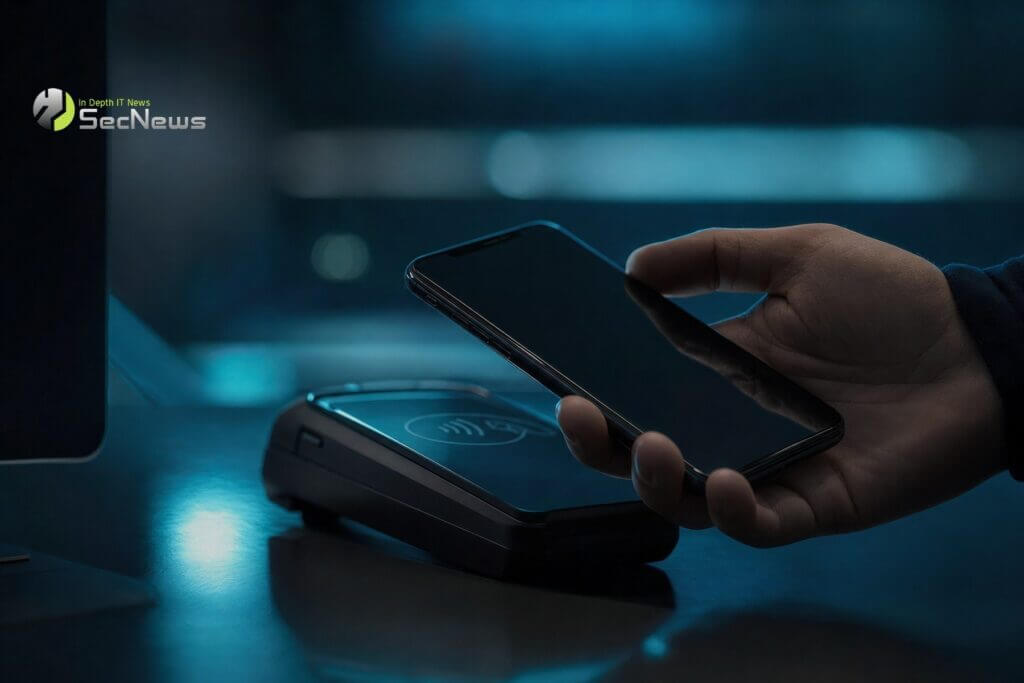
Overall, the expansion of Tap to Pay on iPhone to new markets is a significant development for Apple and the businesses that choose to adopt this technology. With the growing demand for contactless payments, Apple is uniquely positioned to lead the market towards a more digital and secure future.
