

Tesla's Solar Roof was supposed to revolutionize home solar power. Elon Musk introduced the product in 2016 with the promise of beautiful solar panels that would replace entire roofs, setting a goal of installing 1,000 new Solar Roofs per week by the end of 2019. Nearly a decade later, Tesla has installed about 3,000 Solar Roof systems in total, has stopped reporting installation numbers, and is now quietly turning to conventional solar panels.
See also: Tesla postpones Model S/X Signature delivery event
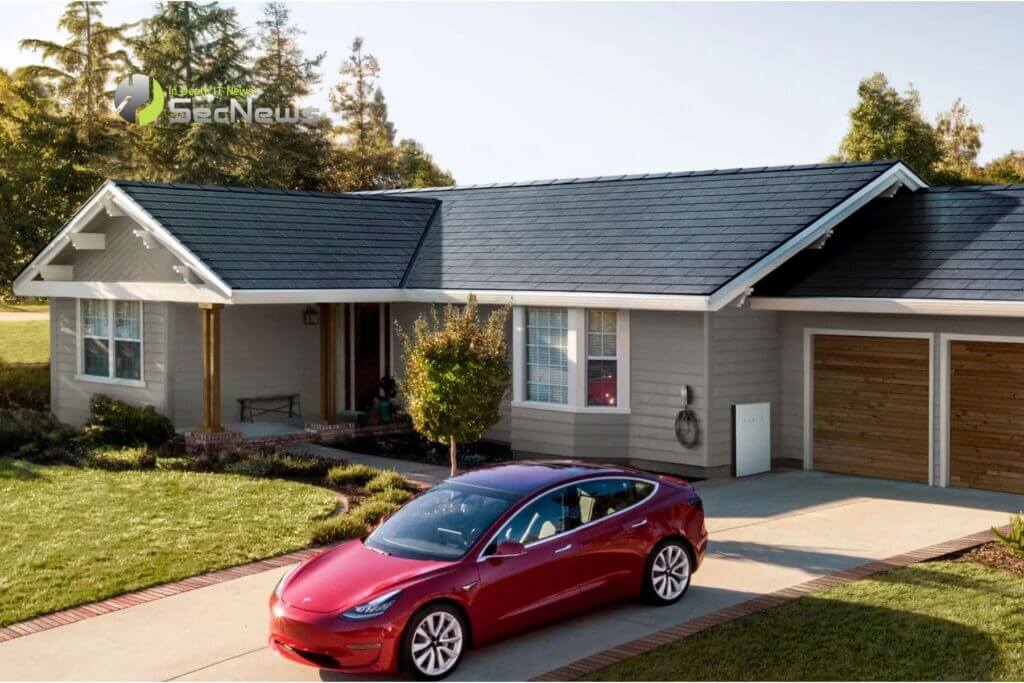
The gap between Tesla's Solar Roof promise and reality is one of the most stark examples of unfulfilled ambitions in the company's history, leaving thousands of customers with an expensive product that Tesla appears to have downgraded.
When Musk first unveiled the Solar Roof in October 2016, he pitched it as a cornerstone of Tesla’s energy future. The proposition was appealing: solar tiles that look like high-quality roofing materials, integrated with Powerwalls for complete energy independence for the home. Musk claimed it would cost less than a conventional roof plus traditional solar panels.
Tesla acquired SolarCity for $2.6 billion in part because of this perspective, and Musk said at the time that SolarCity's Gigafactory would produce up to 10 GW/year.
Tesla didn’t even reach small-scale production until 2020, three years behind schedule. At its peak in the second quarter of 2022, Tesla was installing about 2.5 MW of Solar Roof per quarter, equivalent to about 23 roofs per week, which is 97.7% short of its goal of 1,000 per week.
According to Wood Mackenzie, Tesla installed about 3,000 Solar Roof systems in the U.S. by early 2023. Tesla disputed the number but never provided its own number.
See also: Tesla recalls cheaper Cybertruck due to possible wheel detachment
Then came the quiet retreat. Tesla’s solar installations across all products (panels and Solar Roof combined) declined for at least four consecutive quarters after the fourth quarter of 2022. In the first quarter of 2024, Tesla stopped reporting solar installation numbers altogether, simply removing the item from its quarterly report. The company acknowledged that revenue from energy generation and storage increased, due to Megapack installations, “partially offset by a decline in solar installations.” Since then, Tesla has almost stopped reporting even solar roofs.
For existing Solar Roof owners, the situation is probably worse than the installation numbers suggest. Tesla has largely moved away from direct Solar Roof installation, no longer offering online quotes and instead directing customers to certified third-party installers. In Florida, Tesla has canceled solar projects altogether, and employees report that all available workshops are dedicated to repairs, leaving no resources for new installations.
The third-party installation model creates a structural problem for consumers: when something goes wrong, the installer blames Tesla's design, Tesla blames the installer, and the customer is left in the middle.
Customer service complaints are widespread and consistent. Tesla Energy has a 2.6 out of 5 rating on SolarReviews, and forums are filled with reports of months-long waits for service, missed appointments, and inaccessible support teams. One user described how Tesla has only one authorized third-party installer in all of Los Angeles.
The company's 2024 layoffs hit the solar unit hard. Tesla laid off 285 employees at its Buffalo factory as part of a 14% workforce reduction, and service and support operations were clearly weakened, explaining the collapse in customer service responsiveness.
See also: Tesla files new trademarks for Roadster ahead of launch
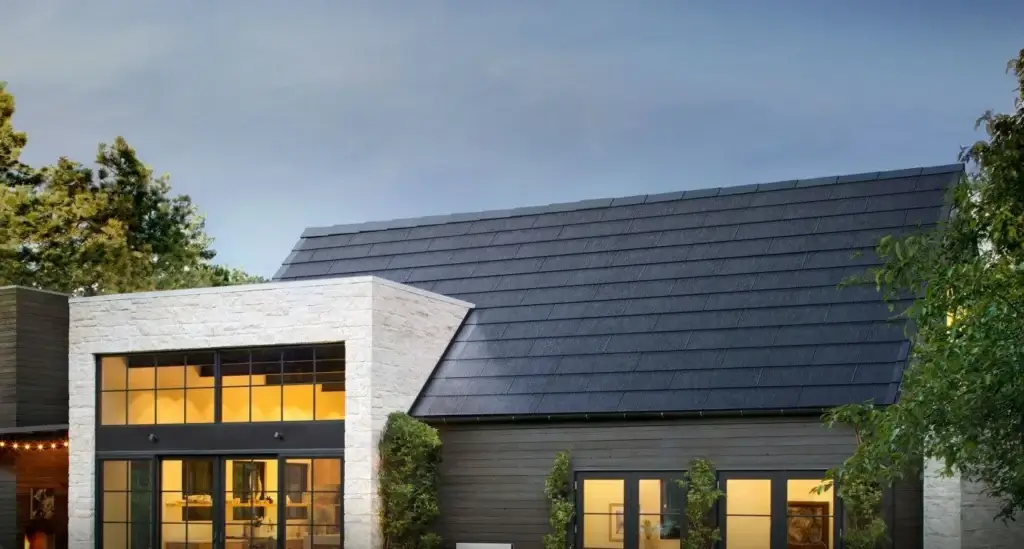
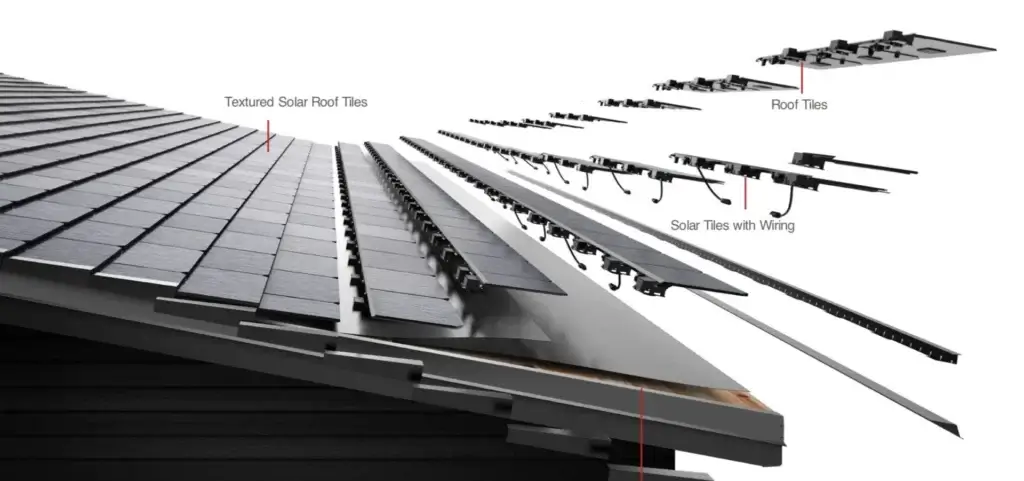
There are also unresolved product issues. Tesla’s Solar Roof uses string inverters instead of microinverters or power optimizers, meaning partial shading on any part of the roof can disrupt production for the entire array. This is a major design limitation that competing solar installers are addressing with panel-level optimization technology.
