

After his pivotal role in bringing robotic vacuums to millions of homes worldwide, Roomba- Colin Angleis making a comeback in the home robotics space. This time, however, his philosophy is far removed from the practical logic of cleaning and automation. With his new startup, Familiar Machines & Magic, Angle is introducing his first consumer robot called Familiar, a technological creation that aims to change the way we perceive the human-machine relationship in the home.
Instead of sweeping, carrying objects, or carrying out commands, the Familiar was designed with an entirely different purpose: to provide companionship, emotional interaction, and everyday presence.
Familiar Robot: The New Era of Home Robotics
The first generation of home robots had a clear goal: to make life easier by automating tasks. Roomba was perhaps the most prominent example of this transition, transforming the idea of an autonomous home assistant from science fiction to everyday reality.
Today, however, the market seems to be maturing and shifting into something much more complex.
See also: New DroneDog robot takes on construction site security
The new generation of robotic systems aims not only at efficiency, but also at creating an emotional bond.
Familiar comes precisely to serve this new need, which takes on particular importance in an era where loneliness, social isolation , and the need for human connection emerge as important social issues.
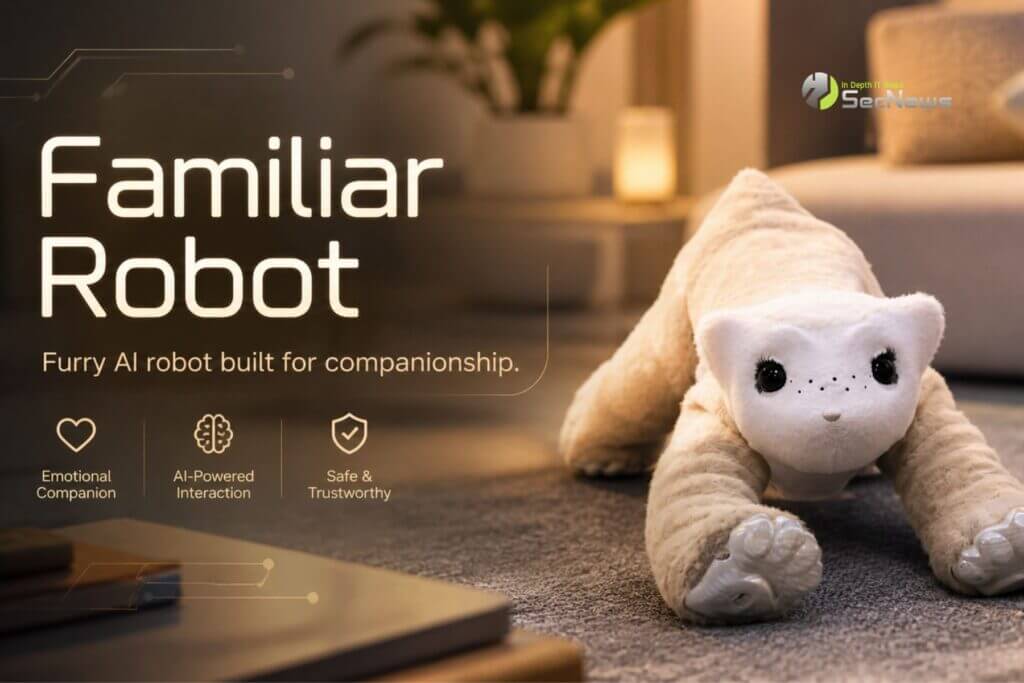
What is Familiar?
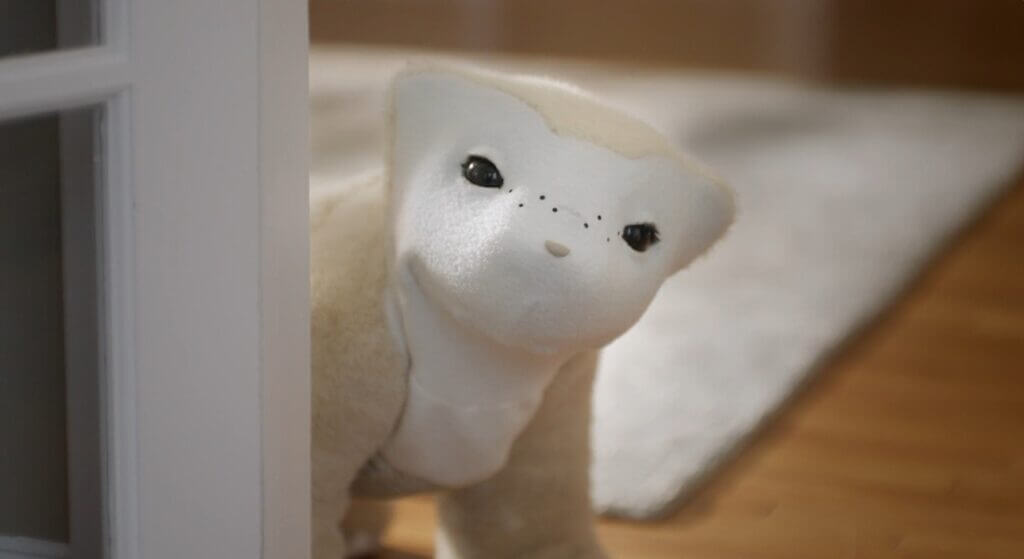
The new robot is about the size of a medium-sized dog and has a soft, furry exteriordesigned to evoke familiarity and comfort. Its appearance resembles a pet more than a technological device.
It has expressive eyes, subtle body movements, and behaviors that are reminiscent of a living organism.
Interaction is not through speech. Instead, Familiar communicates through movement, posture, sounds, and tactile responses, creating an experience that feels more like a relationship with a pet than a gadget.
This choice is conscious. According to the company's philosophy, verbal communication often creates expectations that artificial intelligence cannot yet fully meet. Instead of conversation, Familiar seeks a more intuitive, almost primitive form of communication.
Artificial intelligence without cloud dependency
One of the most interesting technical features of Familiar is that data processing is mainly performed locally on the device.
See also: Tesla: Optimus production to start in late July in Fremont
Familiar Machines & Magic claims that the robot utilizes advanced AI hardware to process stimuli without constantly relying on cloud infrastructure.
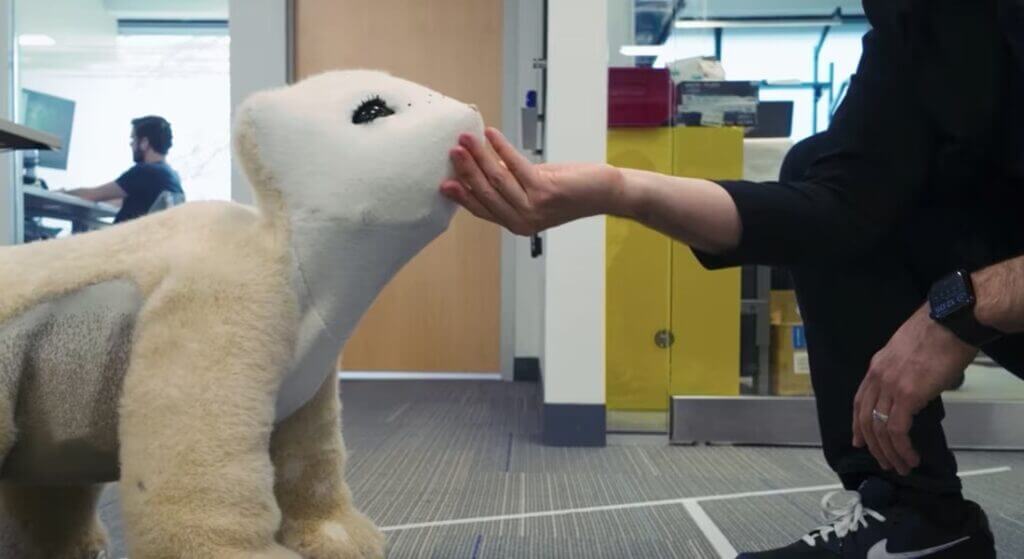
This translates into two critical benefits. First, it significantly reduces response latency ,allowing for more natural interaction. Second, it limits the transfer of personal data outside the home, addressing growing concerns about privacy and digital surveillance.
In an era where smart devices collect a huge amount of information about users' habits, this approach is a clear message of differentiation.
The market for emotional robots is growing
The launch of Familiar is not an isolated experiment. Rather, it is part of a rapidly growing market that many analysts are calling emotional robotics.
These are systems designed to respond to emotional stimuli and provide a sense of presence. There are already corresponding applications in children's robots, interactive therapeutic devices and elderly support.
Demographic aging, the increase in single-person households, and the public's familiarity with AI create fertile ground for this new category.
Colin Angle's big bet
For Angle, Familiar isn't just a new product. It's an attempt to redefine the role of robotics in everyday life. If Roomba taught people to trust robots for practical tasks, Familiar attempts to make them accept them as presences with emotional value.
The stakes, of course, are high. Creating a genuine emotional connection with a machine remains one of the most controversial issues in technology.
However, if the Roomba story taught us anything, it's that often the most radical ideas start as experiments and end up redefining entire markets.
See also: China: Robot beats humans in half-marathon
The future may not be functional, but emotional
Domestic robotics seems to be entering a new phase. From machines that do chores, we are moving to machines that attempt to meet psychological and social needs.
If Familiar succeeds, we may be at the beginning of an era where robots will not be in the home simply to serve, but to coexist.
