

2020 was a landmark year for conspiracy theories. The COVID-19 pandemic has provided a wealth of material for conspiracy theorists. The virus was created in a lab, the virus was caused by the rollout of the 5G mobile phone network, the virus was spread by Bill Gates so he could use a vaccination program to implant microchips into people that would allow him to track and control them – these were just some of the conspiracy theories that circulated in 2020. Also fueled by President Donald Trump is that the presidential election was rigged – a “myth” that sparked the storming of the Capitol a few days ago.

These are not beliefs limited to a small group of people. Nearly 4 in 10 Americans believe that the published COVID-19 death rate is “intentionally exaggerated,” while 27% believe it is possible that COVID-19 vaccines could be used to implant tracking chips. One in three Republicans say they believe the QAnon is “mostly true.” 36% of registered voters believe voter fraud has occurred to influence the election outcome.
Conspiracy theories arise in the context of fear, anxiety, distrust, uncertainty, and a sense of powerlessness. Many Americans have experienced these feelings in recent years due to job insecurity and stagnant wages. For some, technological leaps and social progress can be destabilizing. Then, 2020 brought a pandemic, a deep economic recession, widespread protests across the country, and a hotly contested election. Any one of these, on its own, is enough to cause anxiety, distrust, and uncertainty. Americans are dealing with all of these events at once.
Of course, not all of this makes everyone uncertain and not everyone turns to conspiracy theories. Who are the ones who do? It is not a matter of “ignorance” or “stupidity.” People with low levels of education are more likely than more educated people to believe in conspiracy theories, but such theories are also common among the highly educated.
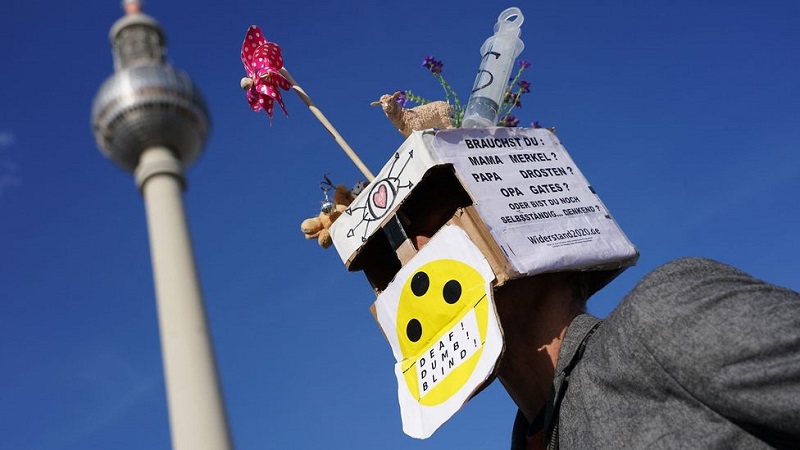
It’s not just a matter of politics, either. Several studies have found that conservatives are more vulnerable than liberals to conspiracy theories. But belief in conspiracy theories is certainly not limited to those on the right. “Politically motivated conspiracy theories find a receptive audience among Democrats and Republicans,” said Daniel A. Cox, director of the Survey Center at American Life. People on both the political extremes of the “left” and the “right” seem more likely to support conspiracy beliefs than those on the other side. Of course, Americans aren’t the only ones who believe in conspiracy theories. Recent examples of widespread conspiracy thinking have been reported in Canada, Great Britain, Austria, Italy, Malaysia, Brazil, Nigeria , and many other countries.
What are the characteristics of people who believe in conspiracy theories? These people usually exhibit high levels of anxiety, have a high need for control over their environment, and a high need for subjective certainty. They tend to have negative attitudes toward authority, feel alienated from the political system , and see the modern world as incomprehensible. Conspiracy theorists believe that others are conspiring against them.
They struggle with anger, resentment, and other hostile emotions, as well as fear. They have lower self-esteem and need the acceptance of others to maintain their self-esteem. They may also have a strong desire to feel unique and special, and an excessive need to be in a particular group. Belief in conspiracy theories also often goes hand in hand with belief in the paranormal. It is also associated with religiosity, especially in people for whom religion is particularly important. This does not mean, of course, that those who experience these feelings or have these characteristics believe in conspiracy theories.
Conspiracy theories arise not only when they "fit" specific combinations of personality traits but also when they satisfy psychological and ideological needs. The resilience of many conspiracy theories in the face of facts suggests that these beliefs are not simply alternative interpretations of events, but are rooted in conscious or unconscious desires, in what cognitive psychologists call "motivational logic."
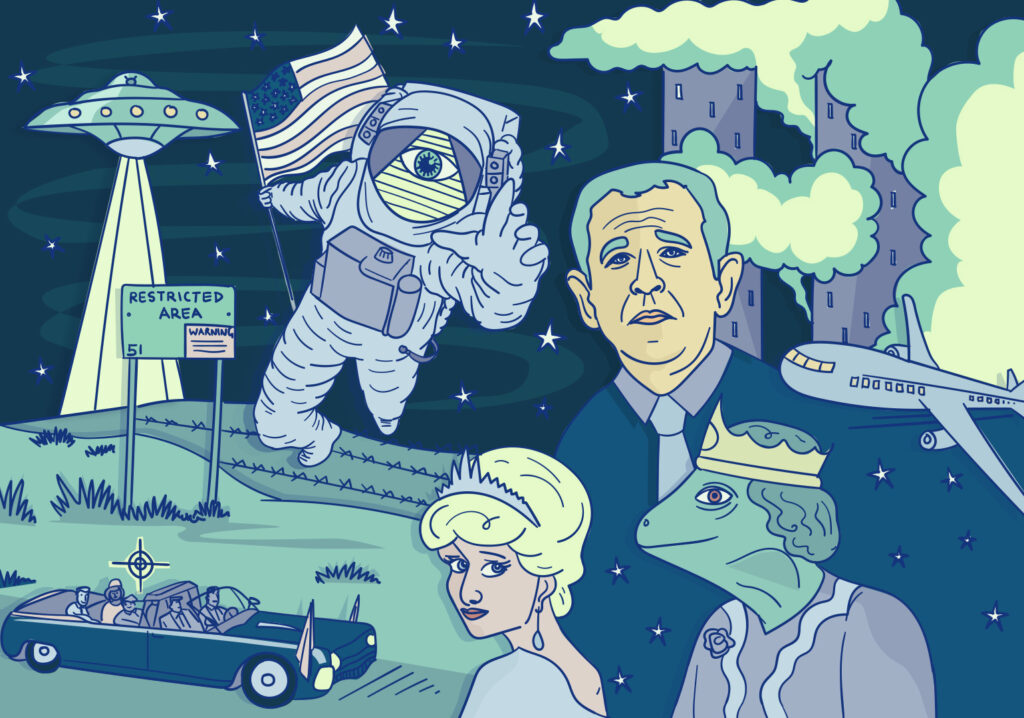
There are a few motivations that drive these desires. It can be an attempt to “protect or enhance a person’s view of themselves.” Anxiety, fear, and distrust can trigger shame, resentment, jealousy, anger, or guilt. A person may deny their feelings and project them onto others. Conspiracy theories can then serve to explain these feelings. Even outside of conspiracy theories, brains are prone to making what social psychologists call the “fundamental attribution error”: We tend to explain our negative feelings and actions as the result of some situation or event outside of our own control, rather than as reflections of our own internal characteristics and weaknesses.
It’s easier to say we’re worried about the malicious actions of others than it is to face our own fears and anxieties. So our unknown fear of getting sick with COVID-19 could turn into a fear that others are exaggerating about the pandemic for malicious purposes.
A conspiracy can also be created and maintained by a powerful figure. In recent years, this has been done by Donald Trump, who has created what the British novelist and journalist James Meek called “an autonomous alternative political space of thought.” Believing in Trump has become a social identity for many people. At the same time, Trump has capitalized on and is capitalizing on the growing distrust of institutions. Trust in the mainstream media has declined. The fossil fuel industry has published studies that have created a stir about climate change. The Big Pharma claims that big pharma is hiding unfavorable information about the safety and effectiveness of drugs. Tobacco companies continue to deny the harmful effects of smoking. And Trump himself claims that the media publishes “fake news.” Education and information should become the weapons against conspiracy theories.
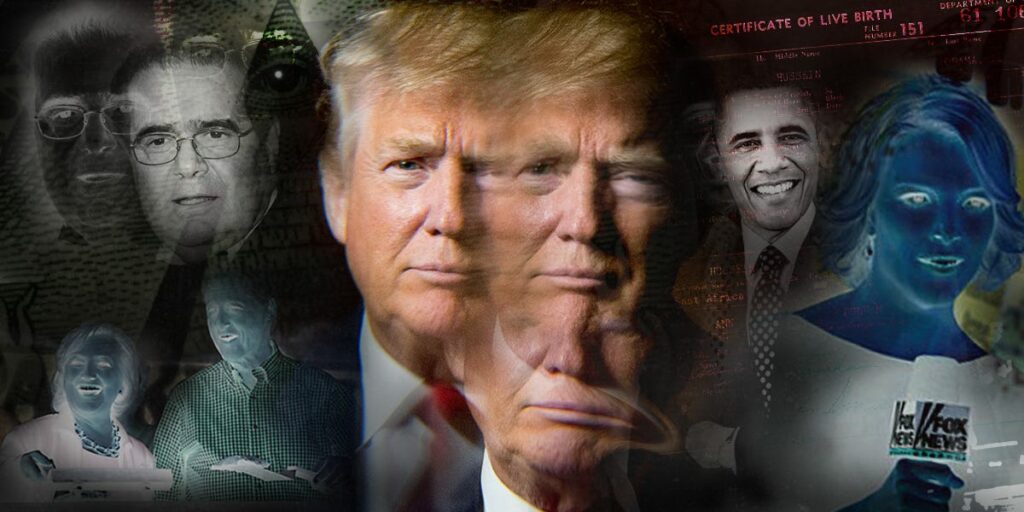
Some conspiracy theories pose no particular problem. The popular belief that Lee Harvey Oswald did not act alone in the assassination of John F. Kennedy is relatively harmless. But some conspiracy theories lead to beliefs that have negative social consequences. In 2019, the FBI declared belief in the QAnon theory a potential domestic terrorist threat. In the current COVID-19 crisis, conspiracy theorists are more likely to refuse to wear masks or practice social distancing. And, last Wednesday, thousands of Trump supporters, believing the president’s conspiracy theory that the election was rigged, stormed the Capitol and threatened American democracy itself.
These theories are particularly dangerous, especially if they are believed and promoted by people who have real power, who set the example and make policy decisions. As columnist Paul Krugman wrote, “Unlike the conspiracy theories of the left – which exist, but are supported only by a small margin – the conspiracy theories of the right are supported by important people: powerful politicians, television personalities with large audiences.”.
* SecNews republishes the news from slate.com and does not endorse any subjective views of columnist John Ehrenreich.
