

Stella Li, Vice Chairman of BYD, confirmed that the world's largest electric vehicle manufacturer is studying the Canadian market to establish a wholly owned production plant and may acquire a struggling traditional automaker to accelerate its global expansion.
See also: Toyota Highlander: An electric SUV with a range of 515 kilometers

The statements, made during an interview in Sao Paulo, mark BYD's most aggressive public stance yet toward production in North America and the consolidation of weaker competitors in the international auto industry.
Canada has actively invited Chinese automakers to invest in local production, pushing them toward joint ventures with Canadian companies. However, BYD is not interested in that arrangement. “I don’t think a joint venture will work,” Li told Bloomberg, adding that BYD would insist on owning and operating any Canadian facility entirely.
The company's preference for vertical integration—making its own batteries, motors, power electronics, and semiconductors—makes shared ownership unsuitable for its business model.
The timing makes sense. In January, Canada agreed to reduce its 100% tariff on Chinese electric vehicles to 6.1%, allowing up to 49,000 Chinese-made vehicles per year. That quota is expected to increase to about 70,000 within five years, with more than half expected to be affordable models priced under $35,000. The tariff deal fundamentally changed the plans of BYD, which had pushed back its entry into the Canadian market to late 2024 after Ottawa imposed an initial 100% tariff on Chinese electric vehicles.
See also: United Kingdom: Tesla sales drop
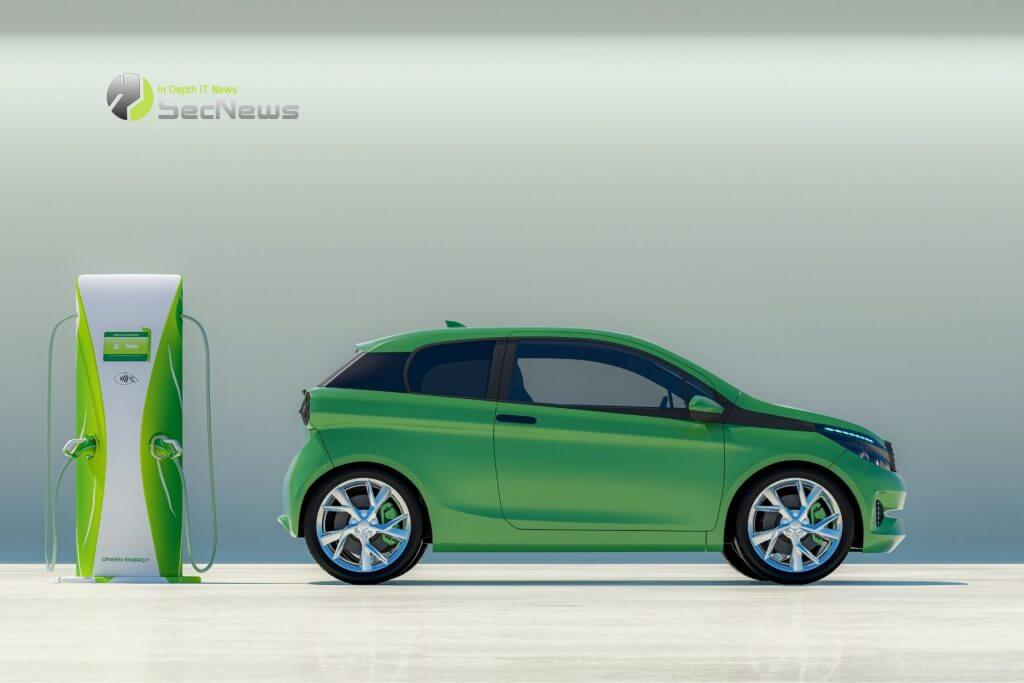
Now, with the door reopened, BYD is looking beyond simple imports towards local production.
Perhaps more striking than the Canada plant talks is Li’s acknowledgement that BYD is evaluating potential acquisitions of established automakers. Several American, European and Japanese automakers are facing financial pressures from maintaining both combustion product lines and electric vehicles at the same time. “We are open to any opportunity we have,” Li said, noting that while no deal is imminent, BYD is actively evaluating assets without naming specific targets.
The plan has precedent. China’s Geely acquired Volvo Cars from Ford more than a decade ago and turned it into a profitable brand with a focus on electrification. BYD, with more than 2.25 million electric vehicles sold in 2025, surpassing Tesla’s 1.63 million, has the scale and liquidity to attempt something similar.
BYD is already one of three finalists bidding for the Nissan-Mercedes COMPAS plant in Aguascalientes, Mexico, along with Geely and VinFast. Buying existing capacity with a trained workforce is faster and cheaper than building from scratch, and BYD appears to be applying the same logic globally.
See also: Canada begins importing Chinese electric vehicles
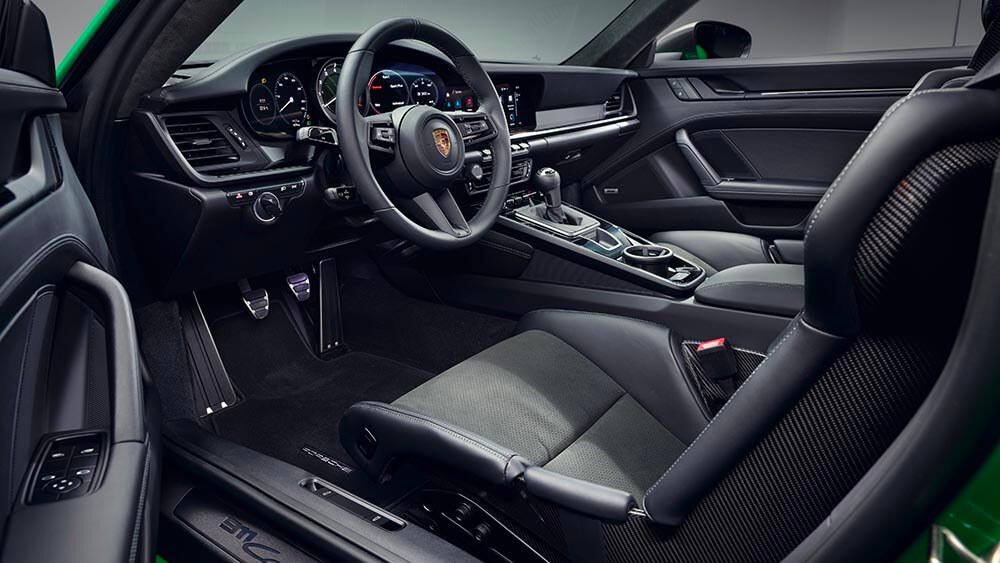
BYD's total sales for the first two months of 2026 fell 36% to 400,241 units. However, exports have gained momentum, and the company is targeting 1.3 million overseas vehicle sales for the full year. Li said the recently launched next-generation Blade battery and ultra-fast charging architecture, capable of providing up to 1,500 kW, will help reverse the decline in domestic sales.
