

A new technology uses laser beams to charge drones while they are in the air, paving the way for the prospect of "unlimited flight.".
See also: Wing: Expanding drone deliveries to 150 additional Walmart stores
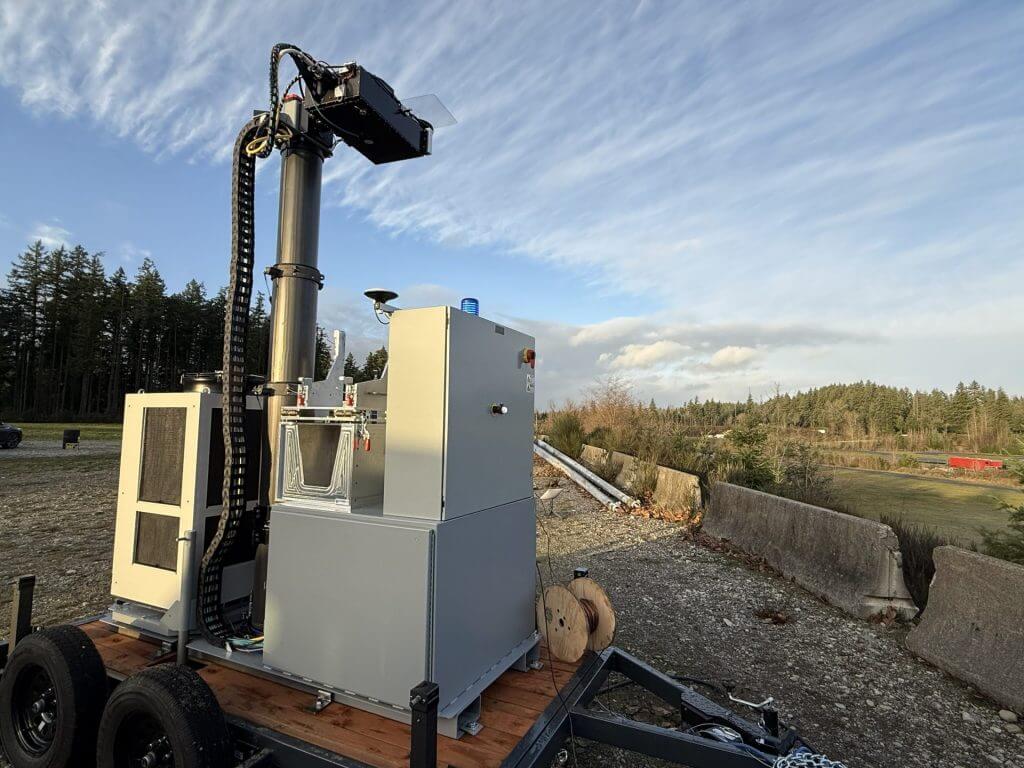
According to representatives from PowerLight Technologies, the system works by combining a transmitter on the ground and a receiver on a drone, also known as an unmanned aerial vehicle (UAS). The transmitter incorporates advanced software that allows for precise control of the laser beam, as well as hardware capable of supporting power transmission in the kilowatt range — that is, thousands of watts. For comparison, typical laboratory lasers operate in the milliwatt range, that is, thousandths of a watt.
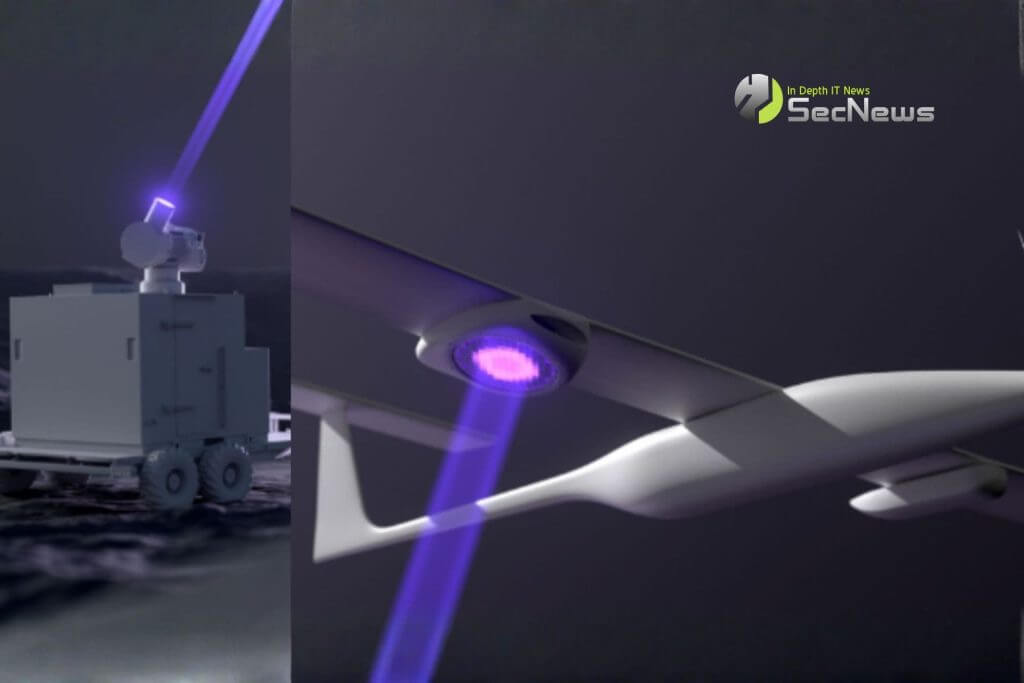
The software enables the transmitter to “lock” on cooperating targets and actively track them, allowing for the safe transfer of power to the vehicle even during flight. PowerLight representatives say the transmitter can operate at altitudes of up to 1,500 meters.
See also: The 360-degree Antigravity A1 drone will make you forget about DJI
For comparison, the operational altitude of the Raven RQ-11B — a hand-launched intelligence, surveillance, and reconnaissance drone developed for the U.S. military — ranges from 150 to 1,000 feet above ground and reaches 10,500 feet above sea level. Larger drones can operate at altitudes of up to 60,000 feet.
At the same time, the embedded control software can interface with the UAS software, offering telemetry monitoring and control capabilities. This interoperability allows the exchange of data and commands between the PowerLight beam monitoring and control system and the drone’s embedded avionics and telemetry systems.
See also: FCC: Bans the import of "foreign" drones into the US
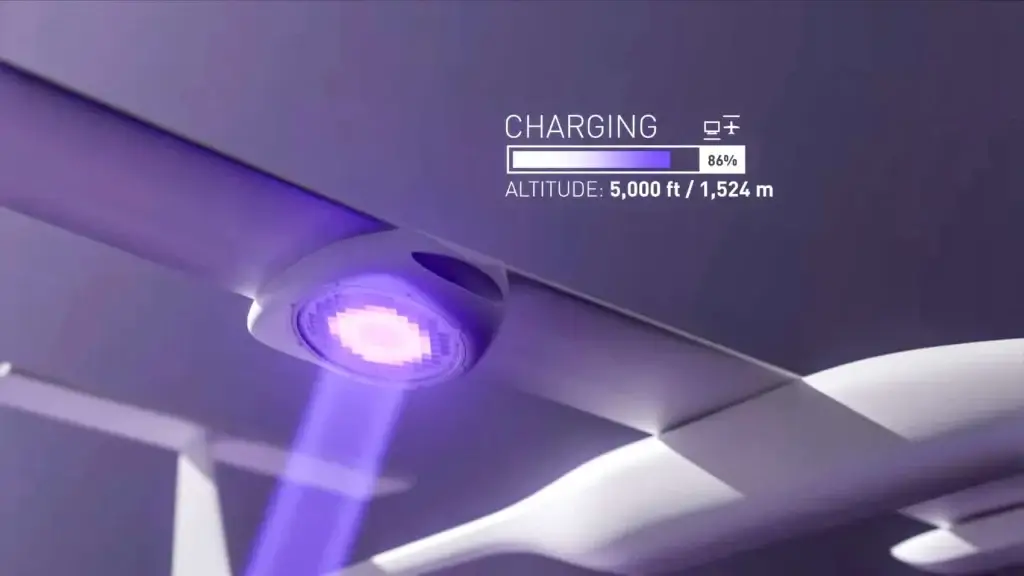
This allows operators on the ground to receive battery charge information to dynamically adjust power delivery and ensure that energy is delivered efficiently, keeping the laser focused on the target. Previous tests have demonstrated the potential of wireless power transfer using lasers.
