

Advances in “organs on chips,” digital twins and artificial intelligence are opening a new chapter in drug research and development. Earlier this week, the UK’s science minister announced an ambitious plan to end animal testing. Skin testing of potential irritants will stop by the end of next year, according to a strategy released on Tuesday.
See also: The world's largest spider web is home to 111,000 arachnids
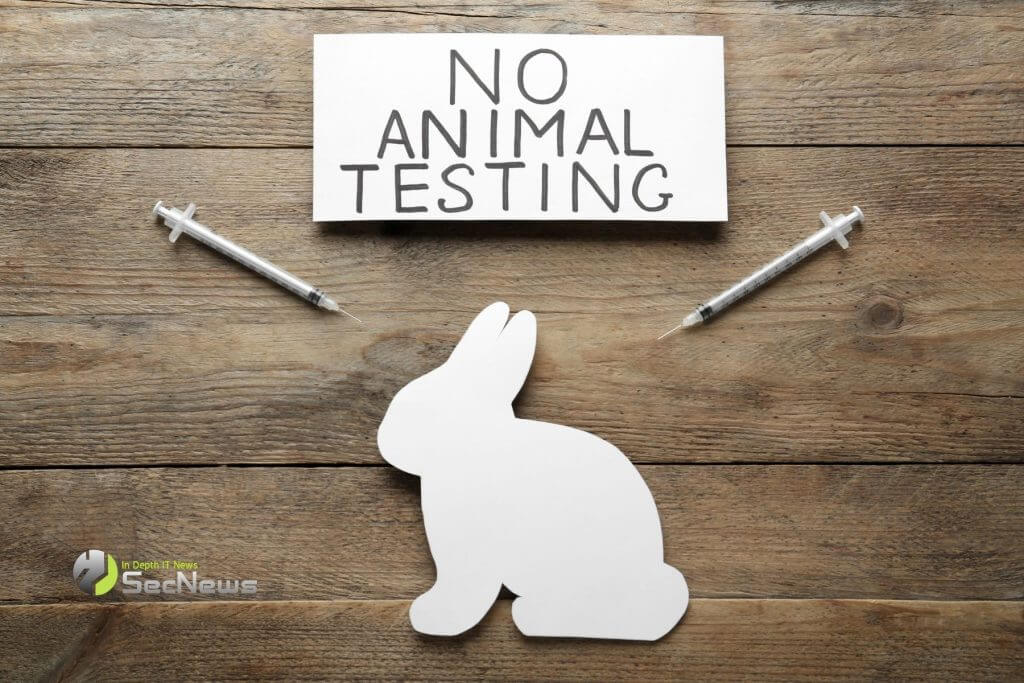
By 2027, researchers are expected to end testing the potency of Botox in mice, while drug testing in dogs and nonhuman primates will be phased out by 2030. The news follows similar moves from other countries. In April, the U.S. Food and Drug Administration announced a plan to replace animal testing for monoclonal antibody therapies with more effective, human models.
Following a workshop in June 2024, the European Commission also began work on a roadmap to end animal testing for the safety assessment of chemicals. Animal welfare groups have been fighting for such commitments for decades, but the lack of alternatives has made it difficult to stop animal testing.
Advances in medical science and biotechnology are changing this situation. Animals have been used in scientific research for thousands of years, leading to many important discoveries about how animal minds and bodies work. Because regulators require that drugs be tested first on research animals, this has played a major role in the development of drugs and devices for both humans and other animals. Today, countries such as the United Kingdom and the United States regulate animal research and require scientists to hold multiple licenses and adhere to rules for the housing and care of animals.
See also: Scientists created embryos from human skin DNA

Yet millions of animals are used in experiments every year. Many scientists are reluctant to participate in animal testing, and some question whether animal research is justified—especially since about 95% of treatments that show promise in animals never make it to market. In recent years, we have seen dramatic advances in technologies that offer new ways to model the human body and test the effects of potential treatments without experimenting on humans or other animals.
One such example is “organs on chips.” Researchers have created miniature versions of human organs inside tiny plastic cases. These systems are designed to contain the same mix of cells found in a fully developed organ and receive a supply of nutrients that keeps them alive. Today, multiple groups have created models of livers, intestines, hearts, kidneys, and even the brain. They are already being used in research.
See also: Texas bans lab-grown meat
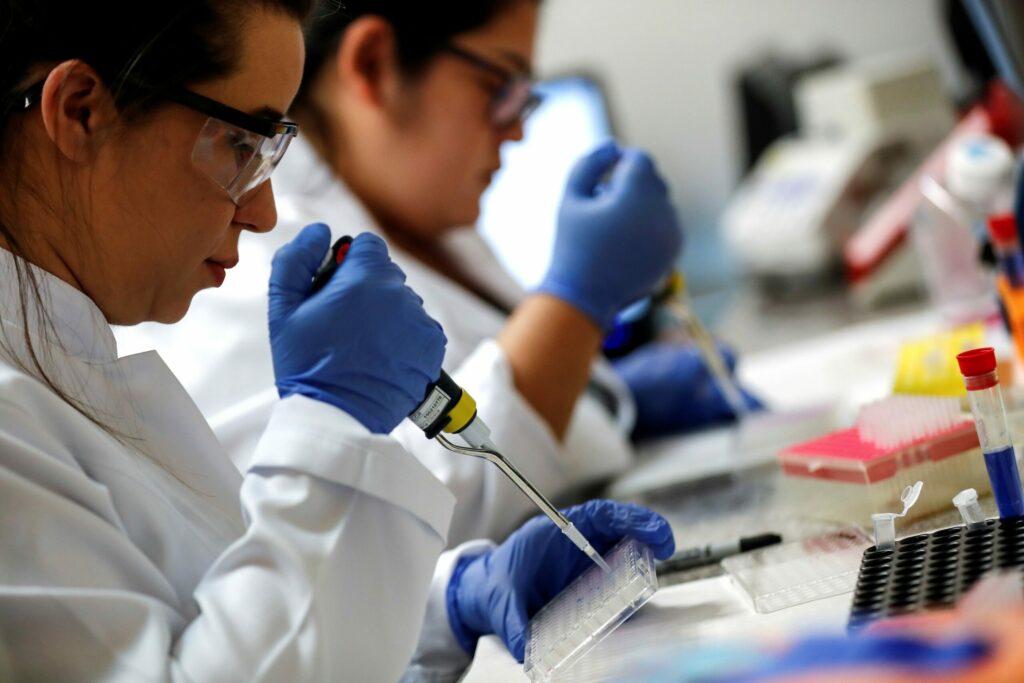
Heart chips have been sent into space to observe how they react in low gravity, and the FDA used lung chips to evaluate COVID-19 vaccines. Gut chips are being used to study the effects of radiation. Some researchers are even working to connect multiple chips to create a “body-on-a-chip,” though this has been in the works for over a decade and no one has yet succeeded.
