

There's a secret, extra member of mission Crew-11 currently aboard the ISS: disease-causing bacteria.
See also: SpaceX: Starship exploded shortly before 10th test flight
Or, at least, such bacteria will soon begin to grow in the orbiting laboratory. Scientists from the Sheba Medical Center in Israel, in collaboration with the American space company SpaceTango, have developed a study that will examine how microgravity affects the growth of specific bacterial species that cause diseases in humans. To implement the study, the researchers will grow different strains of bacteria in microgravity conditions, freeze them at -80 degrees Celsius, and then return the samples to Earth to study how they grew differently compared to the same bacteria grown on our planet.
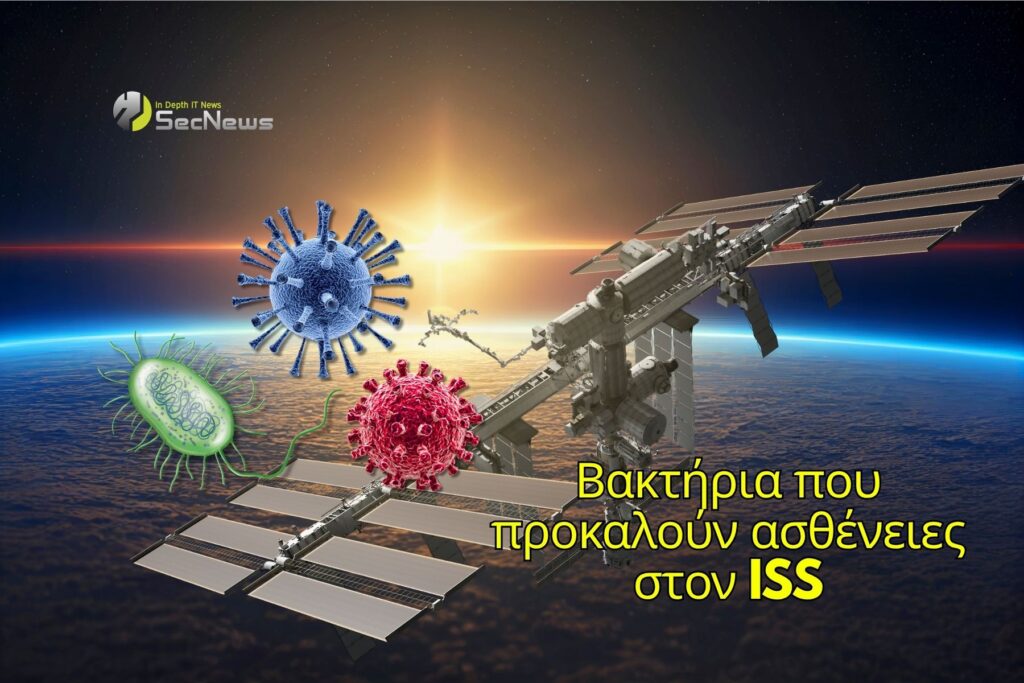
The bacteria included are E Coli, Salmonella bongori and Salmonella typhimurium and were launched to the International Space Station (ISS) as part of NASA's Crew-11 mission, which was successfully launched by SpaceX on Friday, August 1.
See also: SpaceX will launch its largest Starship this year
Scientists have already studied how the absence of gravity affects bacterial growth, and NASA has long conducted research into the behavior of bacteria in space in general. However, the researchers behind the current mission to the International Space Station (ISS) are specifically focused on obtaining data that could help limit the spread of infectious diseases — or, at the very least, help experts find ways to prevent bacteria from developing antibiotic.

This resistance is a serious public health problem, as it means that certain disease-causing bacteria are no longer eliminated by the drugs that have been developed to combat them and restore people's health
Astronaut health and the effects of microgravity on the human body are a major area of study as humanity explores space and the prospect of life beyond Earth. It has been found that certain human genes are expressed differently in microgravity, and the environment has been associated with faster muscle loss in astronauts, as well as an increased likelihood of skin rashes.
See also: Starlink satellite falls from space over the US
But by looking at the genetic changes in bacteria individually, scientists hope to gain valuable insights into their behavior inside the human body — whether it's how quickly they spread or how easily they evade our treatments. The goal is to better understand these mechanisms both in space and here on Earth.
Source: livescience
