

Iranian hackers claim to have stolen thousands of documents from the Dimona nuclear plant, in Negev desert .
See also: Iran accelerates its cyberattacks against Israel
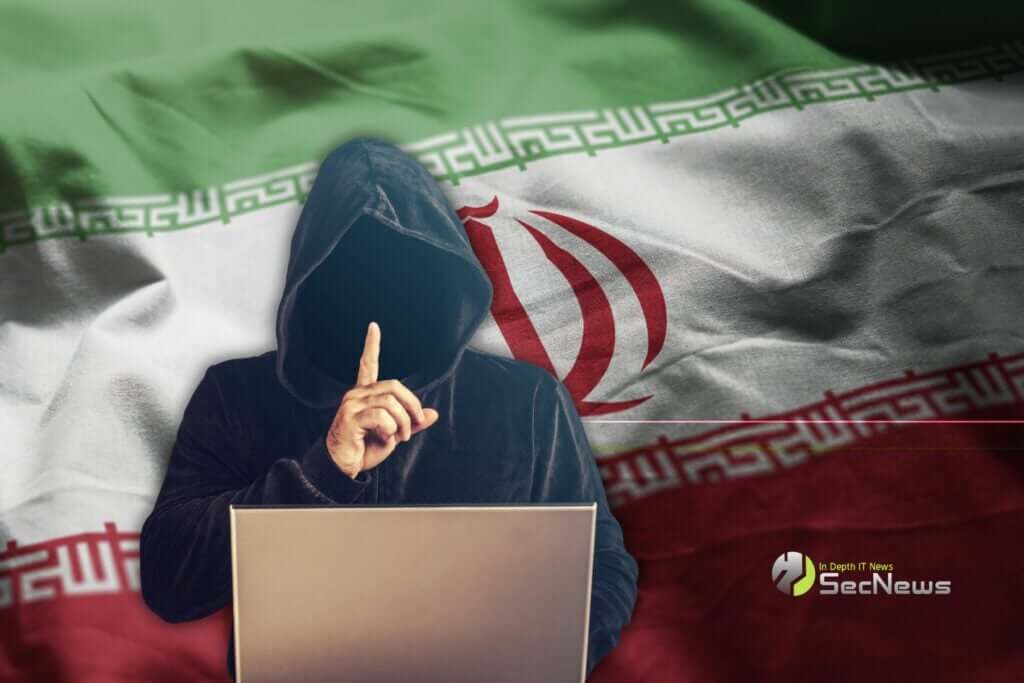
According to Channel 12 , Israeli experts are currently examining the authenticity of documents leaked by a group of Iranian hackers who claim to have breached the Dimona nuclear plant in the Negev desert.
Hackers claim to have stolen thousands of PDF documents, including invoices, email correspondence, Exceldocuments Word and PowerPoint presentations, according to a report, details of which are still subject to censorship by the Israeli government.
The hackers' modus operandi matches previous Iranian cyberattacks , according to Israel's CheckPoint Software . A threatening video released announced a successful infiltration aimed at attempting psychological terrorism.
See also: Albania's Parliament temporarily suspended after cyberattack

Iranian hackers are stating that Israel must evacuate the Dimona area, as well as Yeruham, a village less than 10 miles away from Dimona, as they are ready to “flip the switch,” according to Channel 12.
However, cybersecurity told the channel that these claims are exaggerated and that so far it appears that the hackers have only managed to steal unclassified documents.
See also: Iranian hackers want to influence the Israel-Hamas war
Iranian hackers, such as those who attacked the Dimona nuclear plant, use a variety of techniques to carry out their attacks. One of them is spear phishing, where they send specially crafted emails to specific individuals or organizations in an attempt to gain access to sensitive information. Another technique they use is exploiting zero-day vulnerabilities. These are weaknesses in software that have not yet been discovered by the manufacturers, so there is no fix for them. Iranian hackers exploit these weaknesses to infiltrate systems and gain access to information. In addition, they use social engineering techniques to mislead users and convince them to reveal their credentials or other sensitive information. This can be done by impersonating a trusted organization or person.
Source: jns.org
🔒 Protect your privacy with Proton VPN
Swiss VPN from the creators of Proton Mail — strict no-logs policy, strong encryption, and built-in NetShield that blocks ads, trackers, & malware.
- ✔ No-logs, based in Switzerland (except 14-Eyes)
- ✔ NetShield: blocks ads, trackers & malicious domains
- ✔ Covers all devices — free version available
The link is an affiliate link — SecNews may receive a commission at no additional cost to you. It does not affect the independence of our article writing.
