

Drones have been described by many as the gadget of the future – and not without reason. While they started as a toy with small remote-controlled planes and helicopters, they have evolved into a huge industry that is ready to conquer the world. Many of you will want to own and pilot your own drone, but what do you know about these remote-controlled gadgets? Together we will look at the history of drones, the categories in which they are distinguished, while we will also analyze what you are allowed or prohibited from doing when piloting your own drone.
Drones are unmanned aerial vehicles that are controlled either by a remote operator or autonomously, following a predetermined flight plan. They can be multicopters (tricopters, quadcopters, hexacopters, etc.) or even airplanes. Many people also use the term "drone" when referring more generally to any unmanned vehicle controlled remotely or by a predetermined plan, regardless of where it operates - on land (UGVs), at sea (UMVs) or in the air (UAVs).
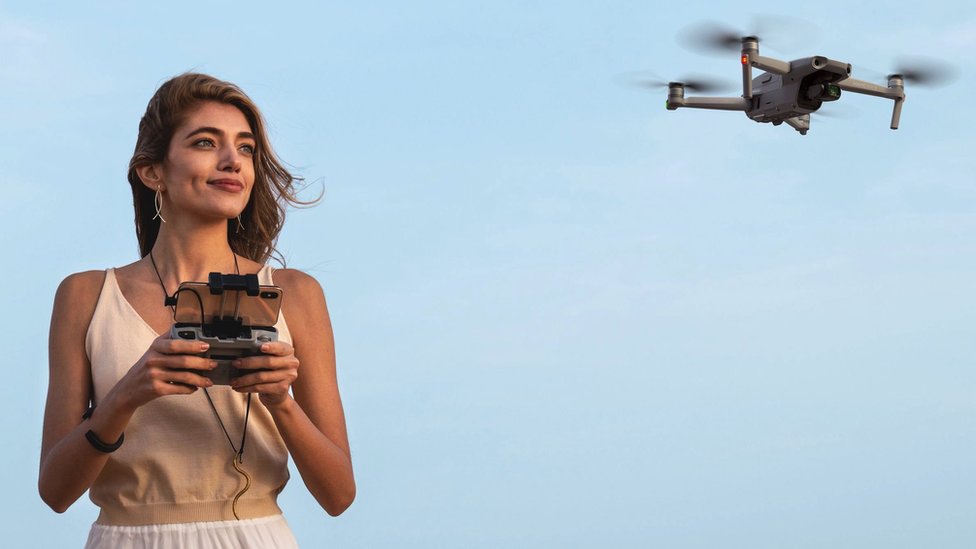
Read also: The best drones for kids, for fun flights!
Others still do not use the term «drones» for unmanned aerial vehicles, because they think the term refers to military missions. And indeed, a few years ago that was the case. Now however things have changed and most people when referring to drones think of multicopters (multicopters, multirotors).
By definition, the word "drone" comes from the English period between the 12th and 15th centuries and means a continuous hum or murmur, which is exactly what modern drones are. The first drones appeared in the mid-1980s for military purposes, and by the late 1990s, the cooperation of the US and Israel established them in the modern war scene. For another decade, they continued to be developed exclusively for military purposes, until technology took the necessary steps to make some of our childhood fantasies a reality... and not only.
The appearance of the "quadcopters" was only the beginning of the new fashion that took over the planet. In the role of a classic remote-controlled airplane but with greater ease of use, without traditional fuel - since it is based on electricity - and with greater stability. Combined with the revolution of 3D printers and new electronic systems, their production and promotion became very easy.
See also: Pilotless planes will carry passengers by 2030!
In a short time, drones have become wristwatches that launch from your hand and take pictures of you. They fly over weddings, guard desolate areas, protect homes, and have even been utilized by the porn industry.
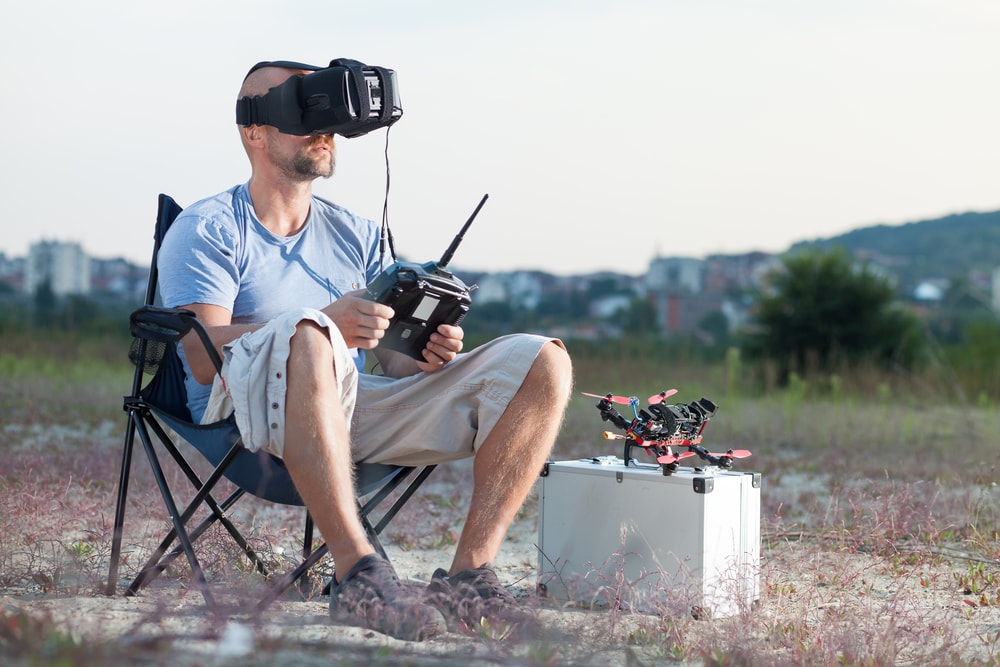
In addition, large companies such as Amazon and Domino's Pizza have plans for product and pizza delivery services, respectively. Drones in the role of paramedics will fly with cardio-resuscitation systems, so in cases of heart attacks and strokes, they will reach the patient long before classic ambulances, to provide first aid . Drone races are also organized . In March 2016 , the first World Drone Prix was held , where drivers pilot their drones through modified stages, with the help of built-in cameras and virtual reality glasses.
However, drones have caused many problems at government levels, as their flying capabilities and portable cameras make them "perfect candidates" for monitoring sensitive locations and services, such as military and police installations. Many countries have already passed laws that either prohibit the use of drones in cities or require a special permit. In the Netherlands , they are even training eagles to catch illegal drones.
As for Greece, there is relevant legislation that prohibits flights at a height higher than 122 meters, at least three kilometers away from airports, and of course, flying near, over or inside military and archaeological sites is prohibited. Judging by Greek legislation in recent years, it is not unlikely that we will see license plates, traffic fees and emission cards for drones.
Do you want to pilot your own drone? Then you must definitely know the terms of use of these gadgets.
- Initially, the new legal framework distinguishes devices into three categories. The“open”, the “special” and the “certified”. The categories depend on the volume of the device and its type of use.
- You must always keep the drone within your line of sight, and at the same time you must plan your flights and choose obstacle-free areas.
- Obtain a permit if you wish to use your drone for paid work.
- Read the manufacturer's instructions carefully.
- Drones are allowed to fly below the permitted limits for the operation of manned aircraft with a maximum altitude of 400 feet (122 meters) above the ground or the surface of the sea.
- Additionally, their flights must be conducted within the time limits of half an hour before sunrise, up to half an hour after sunset.
- On the contrary, their flight is prohibited within the Traffic Zones of airports and at a distance of less than 8 kilometers from the perimeter of airports and from the landing/take-off tracks of aircraft.
- Additionally, drone flight over persons and moving or immobile property assets is prohibited, and at a lateral distance less than 50 meters.
- Also, the transport of hazardous materials with drones is explicitly prohibited.
- Open category drones (essentially any UAV device under 25 kilograms) are not allowed to fly over crowds of people or at a lateral distance less than 150 meters.
- These gadgets are prohibited from flying not only in military areas and installations, and in archaeological sites, but also over institutions such as prisons, hospitals, schools, in environmental protection areas, as well as over public utility facilities.
- We should also point out that both the device and its operator and owner must be registered with the Civil Aviation Authority (CAA).
- Additionally, commercial exploitation of a drone is permitted only after the device is registered and a special license is approved for its user. The latter is expected to have a three‑month validity and is secured with a fee.
Another question that may concern you is whether you can take your drone with you on an airline trip. The answer is «YES» but subject to conditions.
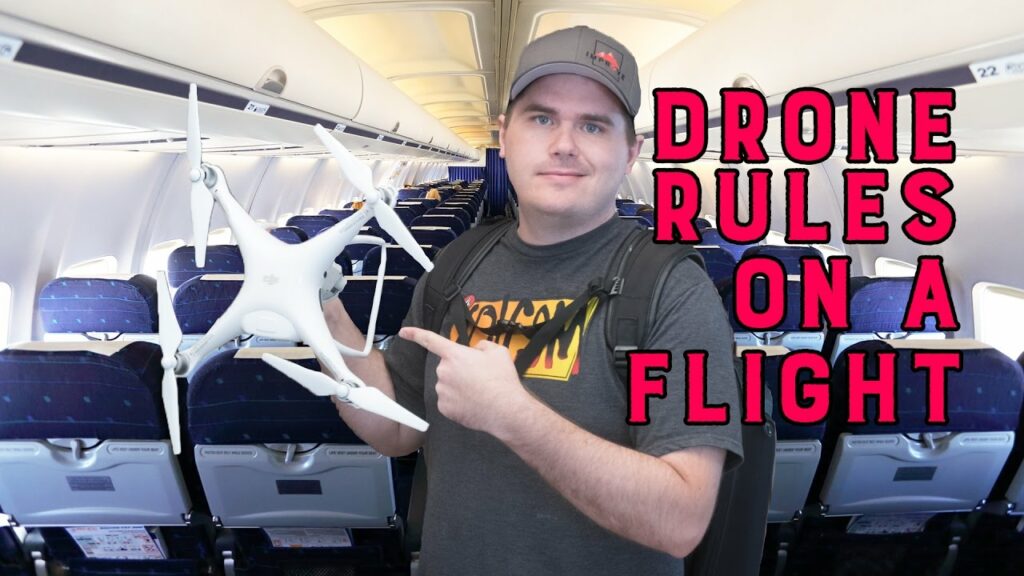
Specifically, if you want to travel and have the drone with you, you must contact the airline to get instructions so you can bring it, along with the related equipment on the plane. Additionally, if you are at an airport and notice a passenger preparing to use their drone, you should immediately notify airport staff because, due to a thoughtlessness, your flight may be delayed for many hours or even cancelled.
Proposal: Research: Mining for electric car batteries VS natural gas vehicles
In general, there is a great division about the role that this new technology plays in our lives. supporters have several reasons to defend it and start with the most important of them. The spectacle that these small airplanes can offer is simply spectacular. Recording beautiful landscapes and wonderful panoramic shots is now easier than ever with the use of drones. In addition, they also contribute to the entertainment of the user, as he has the opportunity to fly his own unmanned vehicle, after first purchasing it from a sales outlet, and to participate in various competitions that exist with other users. Someone can even train seriously and thus obtain a pilot's license, which can offer him a place in the job market.
But there is also a flip side to this. There are increasing reports of data breaches caused by drone flights around the world. Privacy is becoming more vulnerable than ever, according to critics of this new technological revolution.
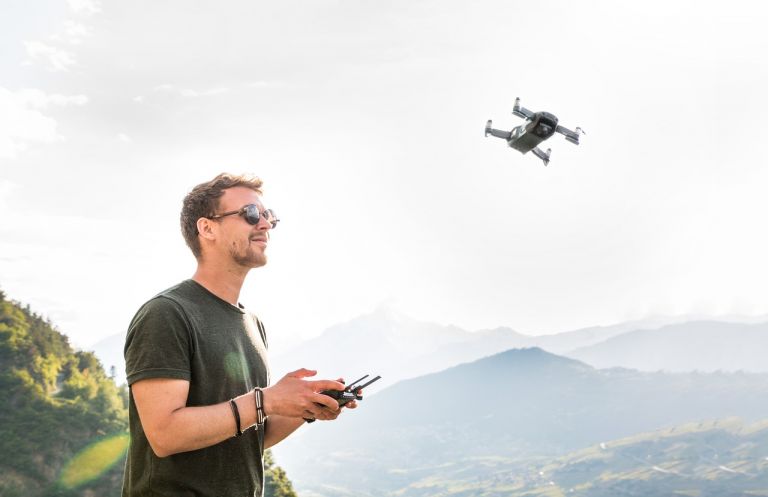
However, it also poses a great risk to human health. There are many cases in which passersby have been injured by drone crashes. Their clumsy handling can be disastrous. Ignorance of the rules for their use is also even more disastrous. According to them, they cannot fly above 400 feet. The reason is to avoid collisions with larger aircraft. And yet this has also happened, fortunately without long-range consequences.
The conclusion, in conclusion, that we reach is that drones have the potential to offer many conveniences, safety but they also bring problems. Only their proper exploitation and harmonization with the rules and legislation of the EU can guarantee us that we are doing the right thing.
The drone market is evolving and the users/uses are constantly increasing. On this basis, the risks and responsibilities of the owners/users always exist and it is necessary for them and the wider public to be aware of them. These gadgets are undoubtedly the big bet of technology, they are already here and are evolving over time.
One thing is certain: Drones came to stay and now we are moving into a post-Drone era, full of surprises and innovations.
