

The National Labor Relations Board (NLRB) has upheld the illegal firings of two Amazon employeeswho had publicly pushed the company to reduce its negative impact on the environment and address the concerns and problems of warehouse and factory workers.
See also: Amazon sued over employee break practices

The National Labor Relations Board acknowledged that Amazon used unfair labor practices against the two employees, Emily Cunningham and Maren Costa, and said it will sue Amazon if it does not resolve the matter.
“It’s a moral victory and it really shows that we’re on the right side of history and the right side of the law,” Ms. Cunningham said.
The two women were among dozens of Amazon employees who have reported retaliation to the organization over the past year , but in most cases the workers complained about employee safety during the pandemic.
See also: Amazon: Denies that its drivers are forced to urinate in bottles!
On the other hand, an Amazon spokesperson said: “We support every employee’s right to criticize their employer’s working conditions, but that does not come with blanket immunity against our internal policies, all of which are legal. We fired these employees not because they spoke publicly about working conditions, safety, or sustainability, but for their repeated violations of internal policies.”
However, regardless of what the company says, allegations of unfair labor practices are numerous, and so the NLRB is considering conducting a national investigation although the organization typically handles investigations in its regional offices.
While Amazon's starting wage is $15 an hour, more than double the federal minimum wage, labor practices have been hotly debated in Washington and elsewhere. Most of the problems have surfaced in the past year, as online orders have surged due to the pandemic and Amazon has expanded its U.S. workforce to nearly a million people. Amazon warehouse workers are considered essential workers and cannot work from home all the time.
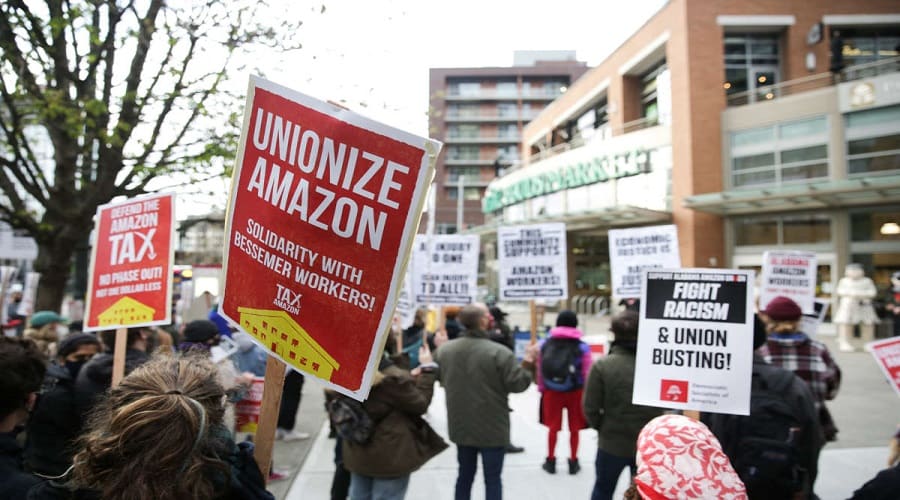
This week, the NLRB is counting thousands of ballots that will determine whether nearly 6,000 workers at an Amazon factory in Alabama will be allowed to form a union. The workers want to unite to highlight the problems they face at the company. They have already said that employees face excessive pressure to produce and that the company constantly monitors to make sure they are efficient.
The results could change the shape of the labor movement in general and Amazon itself.
Costa and Cunningham, who worked as designers at Amazon’s Seattle headquarters, began publicly criticizing the company in 2018.They were part of a group of employees who wanted the company to do more to address its climate impacts. The group, called “Amazon Employees for Climate Justice,” has grown to include more than 8,700 colleagues.
Over time, Cunningham and Costa intensified their protests. Amazon told the employees that they had violated its external communications policy by speaking publicly about the company. The environmental group then organized 400 employees, who also spoke publicly about the issue, deliberately violating the company's policy.
They also began speaking out about safety issues at Amazon warehouses at the start of the pandemic. Amazon fired Ms. Costa and Ms. Cunningham last April, shortly after their team announced an internal employee event where warehouse workers would talk about their concerns.
See also: Lawsuit against Amazon for insufficient protection of its workers
Tim Bray, former vice president of Amazon's cloud computing, resigned in protest.
Mr. Bray said he was pleased with the NLRB's findings and said he hopes Amazon will settle the case.
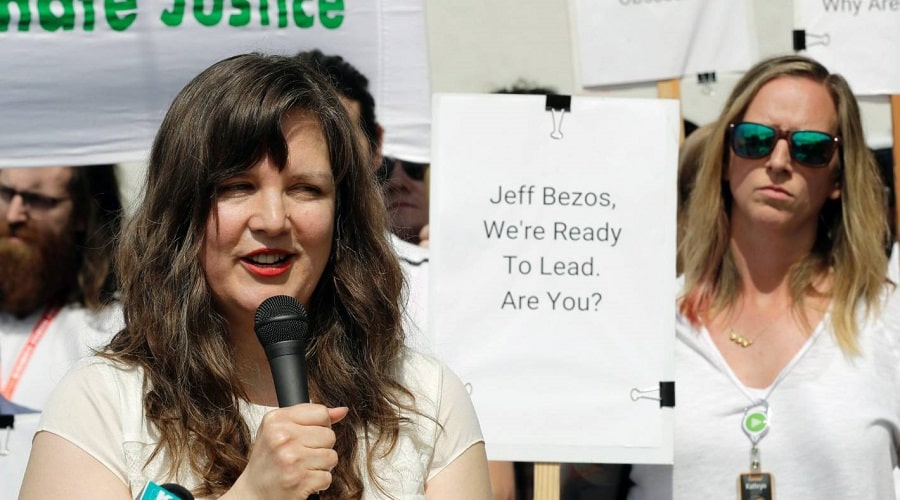
Ms. Cunningham said that, despite the company's denial, she believed that she and Ms. Costa were prime targets of Amazon because they were the most visible members of "Amazon Employees for Climate Justice.".
The NLRB also upheld a complaint involving Jonathan Bailey, co-founder ofAmazonians United, a labor rights group. The organization filed a complaint against Amazon, alleging that the company violated the law when it questioned him about a strike that took place last year at the factory where he works.
“They acknowledged that Amazon violated our rights,” Mr. Bailey said.
Amazon settled Mr. Bailey's case, without admitting wrongdoing, and agreed to post notices informing employees of their rights.
Source: The New York Times
