

In the last year, the World Wide Web has started to seem less “global.” Developments in technology and the Internet have sparked more and more scenarios about what the future holds for the World Wide Web. What do we mean by that? Europe is imposing regulations that could result in temporary bans on U.S. that violate its laws. The U.S. was poised to ban TikTok and WeChat, with the Biden reconsidering that move. India, which banned those two apps, along with dozens of others, is now facing off against Twitter.
Additionally, this month, Facebook clashed with the Australian government over a proposed law that would require it to pay publishers. The company decided to prevent users from sharing news links in the country as a “response” to the law, with the potential to drastically change how the platform operates from one country to another. On February 23, the social media finally reached a settlement with the Australian government and agreed to restore news pages to its platform. Despite the outcome of this particular case, Facebook said it did not rule out similar conflicts in the future.
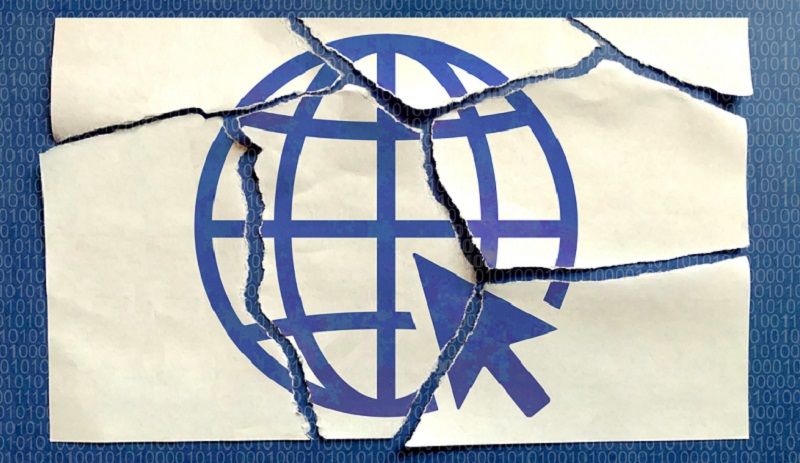
Such conflicts are very likely to result in the World Wide Web as we know it becoming more like what some have called a “splinternet,” or a collection of different Internets, the boundaries of which are defined by national or regional borders.
A combination of rising nationalism, trade disputes, and concerns about the market dominance of some global tech companies has prompted threats of regulatory crackdowns around the world. These forces are not just supporting the tech companies that built huge businesses on the promise of a World Wide Web, but also the very idea of creating platforms that can be accessed and used equally by anyone anywhere in the world.
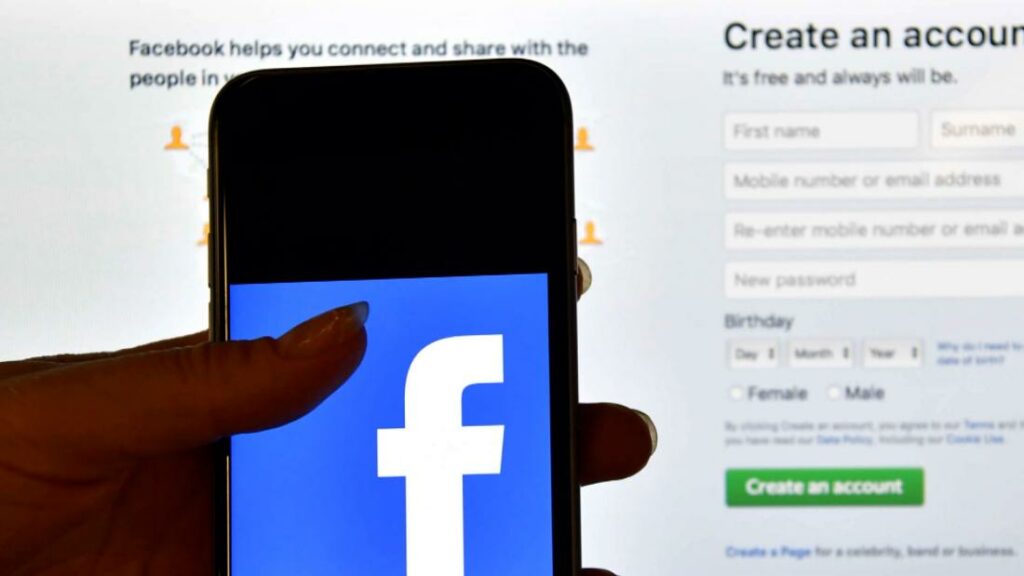
As recent events have shown, a platform doesn’t have to be banned or shut down completely for this fragmentation to occur. In response to Australia’s attempt to fine publishers, when Facebook stopped showing links from news sites to its Australian users, users outside the country were also unable to access content from Australian news sites. The temporary move goes against the very principle of the internet serving as a tool for the free flow of information worldwide.
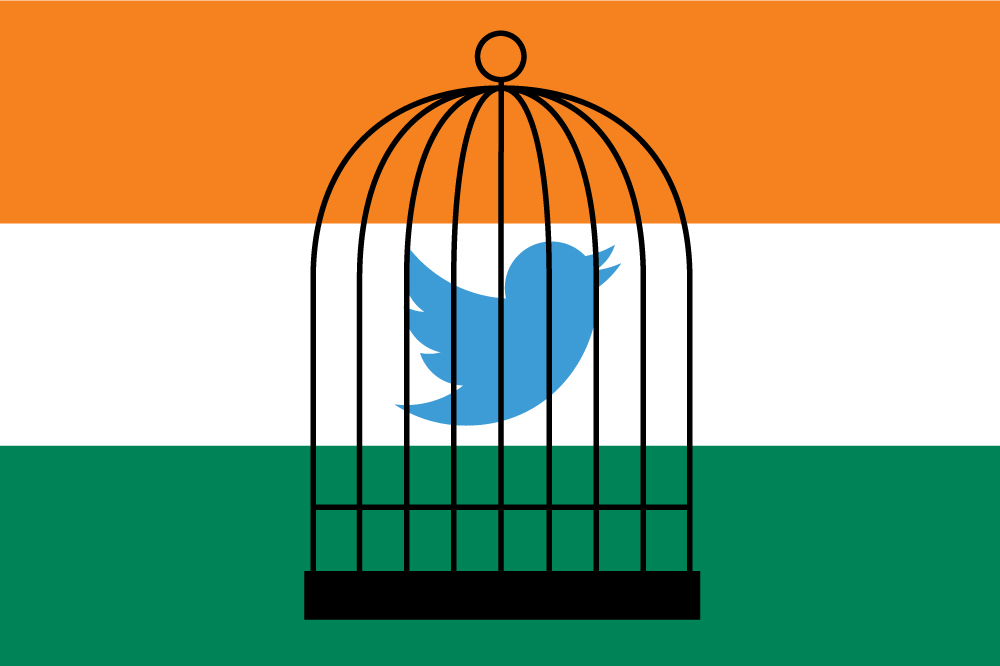
In India, Twitter, when warned that it was “welcome to do business” but “must also respect Indian laws,” sought a remedy by suspending some accounts that used what the government called “inflammatory and baseless” hashtags. These accounts were not visible within the country, but some outside the country could access them.
It's a very different landscape than the one that allowed U.S. tech companies to amass vast wealth and power. With exceptions like China and North Korea, Facebook and its partners have managed to roll out their products around the world.
Daphne Keller, program director for platform regulation at Stanford University's Center for Cyber Policy, told CNN Business: "What's legal in Sweden is not legal in Pakistan, and so we have to find some way to reconcile that with the way the internet works. The result is that either platforms or governments create brute force geographical barriers, so that we see different things in one country than in another."
While Facebook is not the only tech company in government circles around the world, it is perhaps more emblematic than any other Silicon Valley company for its promise of a World Wide Web that defies the laws of various countries.
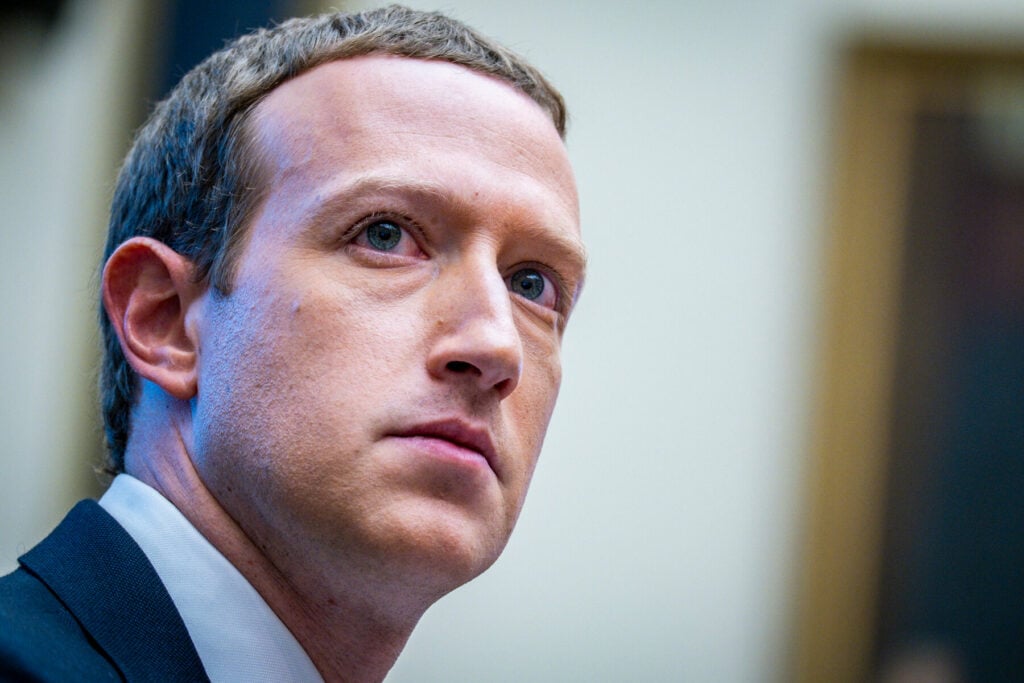
Five years ago, Facebook CEO Mark Zuckerbergstated his goal of reaching 5 billion users, or the majority of the world's population. Already, the company has more than 3 billion monthly active users across its various apps, a testament to its rapid expansion around the world.
Specifically, Zuckerberg stated the following in an interview with CNN in 2013: “We want to make it so that anyone, anywhere – a kid growing up in rural India who has never had a computer – can go to a store, pick up a phone, connect to the Internet and access all the same things that you and I value about the Internet.”
Even in China, where the government’s internet censorship apparatus, known as the “Great Firewall,” has locked out Western tech companies for decades, Facebook and Google have tried to make concessions, but without much success.
Now, Facebook is turning to a tried-and-true tech industry playbook: threatening to pull its products from markets in the face of adverse regulation.
Additionally, in 2014 Google shut down its “Google News” service in Spain after the country passed a similar law to the one Australia is now considering. In Australia, it also threatened to remove its search engine from the country under the same media law, before eventually backing down and signing deals with some of the country’s top publishers.
This time, at least, the playbook seemed to be working somewhat for Facebook. But there are signs that countries around the world — including the United States — are more willing to follow its lead. These companies ultimately depend on the continued access of billions of users around the world, and governments have shown themselves willing to cut off that access in the name of protecting citizens and their dominance of the World Wide Web.

Sinan Aral, a professor at the MIT Sloan School of Business and author of “The Hype Machine: How Social Media Is Disrupting Our Elections, the Economy, and Our Health,” said the following: “Companies like Facebook and Google will face a slippery slope if they start pulling out of every market that asks them to pay for its news, which would “severely limit” the content they can offer to their global user base. They have a vested interest in trying to force any market not to impose this kind of regulation by threatening to withdraw. The other side is basically saying, ‘If you don’t pay for the content, you won’t have access to our consumer market or the content in that market.’”
As the World Wide Web becomes increasingly fragmented, global regulators are joining forces.
The fight over news in Australia is a relatively small part of the clash between technology and governments, which is centered on issues such as censorship, privacy and competition. But the response to Facebook’s move in Australia has shown that a more international effort to control Big Tech could be gaining momentum and, with it, the potential for further disruption of how internet services operate from one country to another.

As his government confronted Facebook last week, Australian Prime Minister Scott Morrison issued a warning to the social media giant, saying: “What you do here can hurt you in other countries.”
On February 23, Morrison said Facebook's decision to restore news was "welcome," adding that the government remained committed to moving forward with its legislation to ensure "Australian journalists and news organizations are fairly compensated for the content they produce.".
Additionally, other countries, including the UK and Canada, are now considering similar legislation against social media companies, with many of them even talking to each other about how to do it better.
Finally, Aral stressed that if the fragmentation of the Internet continues to increase, the consequences could be dire. In the event that this happens, social media platforms will differ from country to country or market to market and therefore we will have a completely divided or fragmented information ecosystem. He added that we will have completely different sets of information about local events, about global events and perhaps a very fragmented worldview of reality.
