

Telehealth has proven particularly useful during the quarantine, when people had to stay home and the need for psychological support due to isolation was necessary. Telehealth has presented new, flexible options for its patients, but also for providers, as it tries to maintain serviceby offering remote care.

The perception of teletherapy, especially in the mental health sector, has changed dramatically as Americans increasingly seek virtual sessions with healthcare professionals. When it comes to teletherapy for non-urgent care, Americans are most likely to use it for mental health sessions (46%), followed by annual well-being checkups (29%) and annual physical and child wellness checkups (27%).
When examining key demographics, it was discovered that millennials, GenXers, and women are more receptive than other Americans to using telehealth solutions for a mental health session (at 54%, 50%, and 52%, respectively). Baby boomers and men were less enthusiastic about using teletherapy: only 34% of boomers and 40% of men said they would consider using teletherapy for mental health counseling.
Telehealth tools have been around for years, but a lack of reimbursement has hindered progress and provided limited incentive to use the technology in resource -poor fields like mental health. With coronavirus regulators allowing reimbursement for virtual visits, mental health professionals are scrambling to meet the demand.
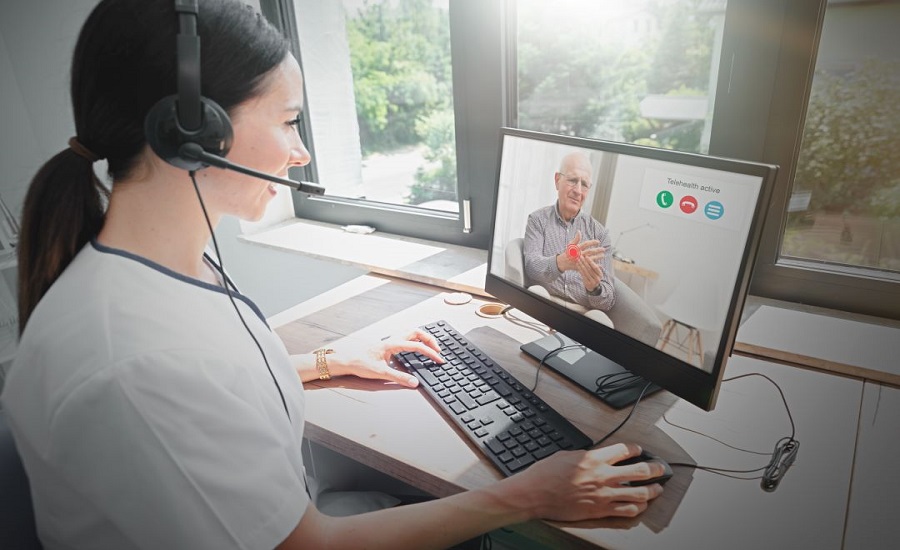
Studies have shown that the shift to telehealth does not reduce effectiveness. Expanding the use of mental health services through telehealth can be a benefit to rural, underserved communities and can fill health care inequity gaps among lower socioeconomic communities who may not have access to transportation or cannot get permission to see a mental health professional.
The survey also found that while the vast majority of Americans are receptive to using teletherapy for mental health needs, patients are concerned about sensitive health data being compromised. At 44%, respondents said they were more concerned about their mental health data being exposed than any other type of data.
While millennials and GenXers are open to using teletherapy solutions for mental health sessions, they are also very concerned about their data being exposed in a breach (50% and 48% respectively). As virtual care grows, hackers are not sitting idly by until the pandemic.
A recent report found that the number of attacks on telehealth providers increased by 117%, highlighting how cybercriminals are looking for new ways of entry to exploit emerging vulnerabilities with the widespread use of technology.
