

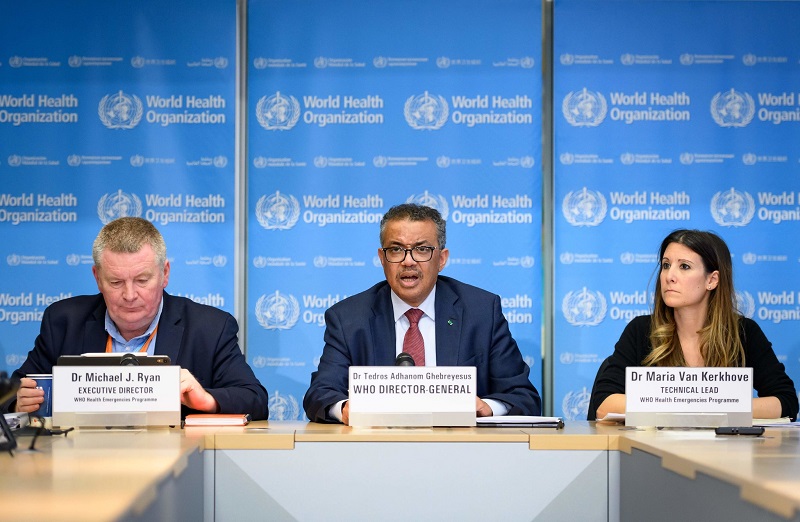
The World Health Organization (WHO), one of the key agencies working to combat the coronavirus, has been hit by a large number of cyberattacks since the pandemic began. Specifically, the organization reported a fivefold increase in the number of cyberattacks targeting its staff, as well as scams spread via email targeting the public. The health organization reported that about 450 active email and passwords online, among thousands of addresses belonging to other organizations actively participating in the fight against COVID-19. However, as the WHO reported, the leak of credentials of the organization did not compromise its systems, because the data was not recent. However, the attack affected an older extranet used by its current and retired staff, as well as partners. The WHO pointed out that, following the leak of the organization's credentials, it will adopt a more secure authentication to prevent new cyberattacks.
Fraudsters and sophisticated hacking groups are exploiting COVID-19, taking advantage of both the fear and uncertainty created by the outbreak and the confusion caused by the rapid shift to remote work, which is making workers more vulnerable to cyberattacks. Fraudsters are trying to steal credit card details or passwords. State-backed hacking groups are also exploiting COVID-19 to conduct espionage, even as governments struggle to address this global threat.
Finally, the WHO announced that it is working with private entities to create stronger internal systems and strengthen security measures, while also training its employees on security, so that they are as prepared as possible in the event of a cyberattack. The health organization also noted a dramatic increase in incidents of electronic “phishing”, where fraudsters persuade people to donate money to fake organizations instead of the EU Solidarity Fund supporting action against COVID-19.
