

Apple announced that it will update the default settings for iPhone devices with an upcoming security patch, preventing hackers or police from accessing a device without the owner's consent.
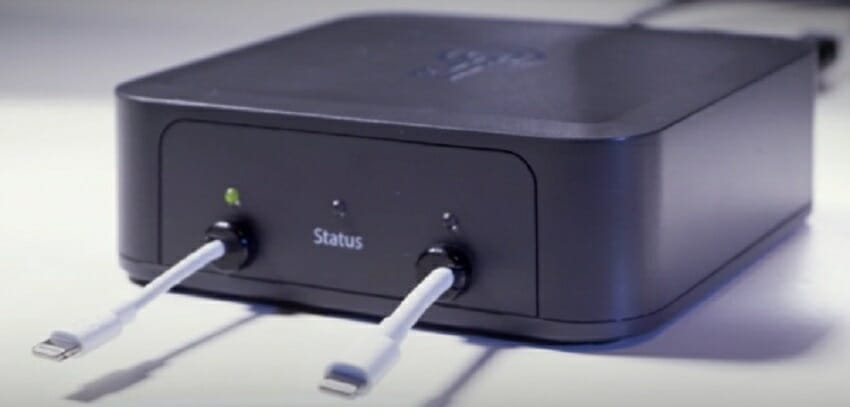
The changes come at a time when the law is battling Apple over access to locked iPhones. But while legal battles continue in many countries, many have turned to using special devices designed to bypass the device's security.
We know that Face ID and fingerprint can be hacked, but in cases like when the device is in password only mode, using these special devices is the only solution for the police. Before the security patch, the police (or a hacker) could unlock the device if it had been unlocked by its owner in the last week. After the update, the one week margin is reduced to one hour!
Tim Crook, Apple's CEO, is no joke about privacy. When asked how he would handle a situation similar to Cambridge Analytica, he replied, "What would I do? I wouldn't have been in this position in the first place.".
Now the spotlight has fallen on Apple, and surprisingly, it's not because it did anything wrong, but because it insists that it supports its users by taking privacy very seriously. At WWDC (Worldwide Developers Conference) this year, it emphasized once again that it is taking steps to protect users from data collection methods, unlike other organizations in the field.
