

The New York City-based Archive of Contemporary Music (ARC) has successfully digitized 50,000 78 rpm records, which you can listen to and download completely free of charge.
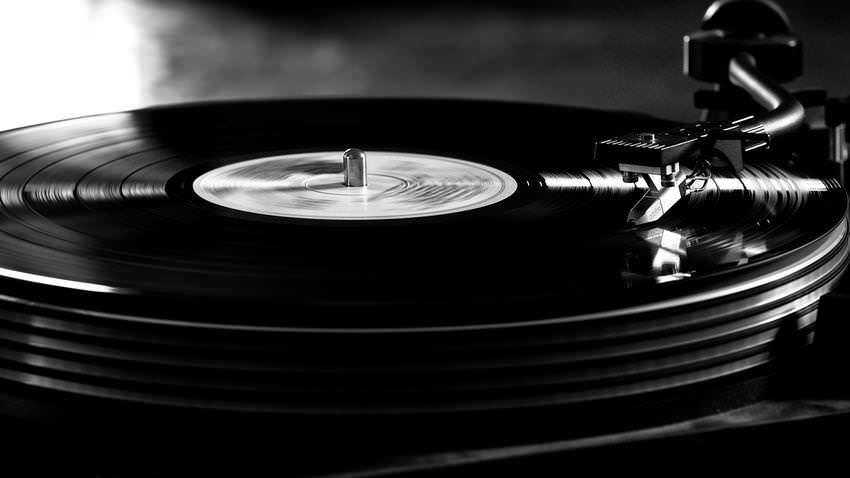
The Archive of Contemporary Music began preserving audiovisual material in 1985, and just over a year ago, it partnered with the Internet Archive to complete the Great 78 project and distribute it to the public.
Together with audiovisual digitization provider George Blood LP and various volunteers, the Great 78 project has to date put over 50,000 digitized 78 rpm records and cylinder recordings online, which you can listen to on the Internet Archive with all their artifacts, as if you had a 78 rpm turntable.
In ongoing projects, the Internet Archive actually has over 200,000 physical recordings donated to it, most of which date back to the 1950s and earlier. These early recordings were made of shellac, not the resin that records are made of today. Shellac is a fragile material that was outmoded around 1960, as it often created unusual levels of noise and could literally shatter in your hands if not handled properly. Without digitization, it is likely that some of these recordings will eventually be destroyed and lost to history forever.
The Internet Archive's focus is on digitizing records that are less widely available and overlooked. The collection offers a wide range of early blues, bluegrass, yodeling, and several Novachord synthesizer recordings dating back to 1941.
Digitizing these old musical pieces is a complicated process. Different stylus types can affect how a piece sounds when played, and playback speeds weren't standardized until around the late 1920s, meaning there's debate about the "right speed" at which a record should play. The project's workers also have to make aesthetic decisions, such as microphone placement and what frequencies the record's material can reproduce (which is poor compared to modern audio reproductions). The goal isn't to remaster a file or remove all existing playback artifacts from variables like how many times it's been played or how it was originally recorded, but to preserve the record as a "historical artifact.".
In the Internet Archive's Great 78 database, you can search by the creator who digitized the record, the year the original recording was made, and more. When you listen to a recording, there are often alternate or multiple versions of the same song recorded with different styluses. They're all available for you to leave comments and download.
You can help and contribute to the Great 78 project if you like, as the team is always looking for volunteers to help improve metadata, contact collectors, donate 78s, and more. Or you can simply browse one of their collections and enjoy a piece of musical history.
