

(Reuters) - A self-driving car that will carry passengers on public roads will hit British roads for the first time on Tuesday, as part of trials aimed at paving the way for autonomous cars by the end of the decade.
The government is encouraging technology companies, carmakers and start-ups to develop and test autonomous driving technologies in Britain, with the aim of creating an industry capable of serving a global market predicted to be worth around £900 billion ($1.1 trillion) by 2025.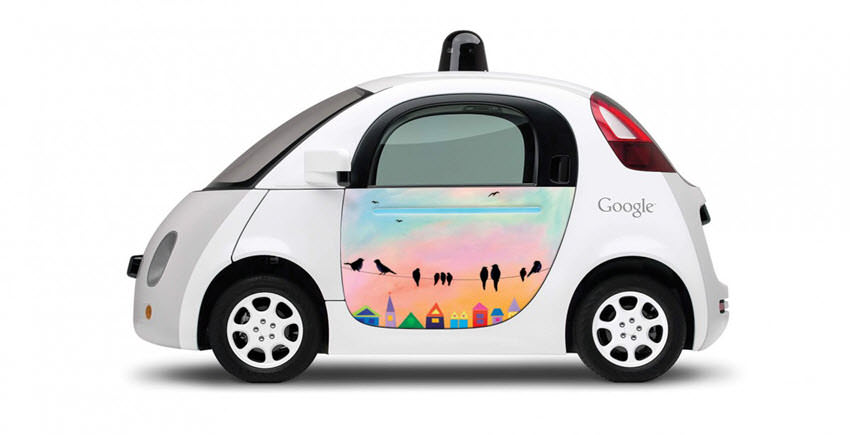
Earlier this year, the British government launched a consultation on changes to insurance rules and general motoring regulations that would allow self-driving cars to be used from 2020 and said it would allow the vehicles to be tested on motorways from next year.
So for starters, a small two-seater car built by Oxford University will be tested in the southern English town of Milton Keynes on Tuesday, with organisers hoping the tests will provide vital information about how the vehicle interacts with pedestrians and other drivers.
"Today's first public test of a driverless vehicle in our cities is a groundbreaking moment," said UK technology minister Greg Clark.
"The global market for autonomous vehicles presents enormous opportunities for the automotive industry and our business technology, the research that underpins the technology and software that autonomous vehicles will need," he said.
The self-driving car will operate completely without human control, using data from cameras and radar to navigate pedestrian areas.
