

Tractica: It seems inevitable that the wearable technology we see today, with its various biometric sensors, will start to move from our wrists to various other parts of our bodies. Sensors will start to appear on our clothes.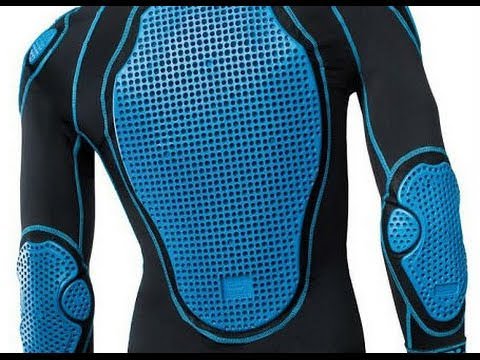
A research firm believes this shift will happen before the end of the decade. A new study from Tractica reports that consumers will buy more than 10 million pieces of smart clothing annually by 2020. Somewhat expected given the speed of technological development…
Biosensing clothing has mostly been limited to athletic wear. Sports enthusiasts can use smart sensors in T-shirts, shorts, sports bras, and socks to get biometric data about muscle activity, breathing rate, and even heart rate.
All the data that is currently tracked by fitness bands or smartwatches. In the coming years, smart clothing will start to look less like sports equipment and more like street tools.
Not long ago, sales of smart clothing were minimal. Tractica reports that just 140,000 smart garments were created in 2013, and almost all of them were sports gear.
“The ultimate wearable computer is a piece of smart clothing that can be worn as a garment or as a body sensor that can monitor and measure specific vital signs,” said Aditya Kaul, Director of Research at Tractica.
“Both of these device categories are designed to integrate seamlessly into users’ daily lives.”
