

What is Chromebleed? bug Heartbleed, which we published on Tuesday and was discovered by Google security researchers, has compromised at least 66% of websites, according to the team that discovered it.
Whenever data (passwords, usernames, etc.) is sent over the Internet, it is encrypted or converted into code so that hackers cannot access it. But that is not the case if someone exploits the Heartbleed flaw. The vulnerability allows hackers to break the encryption and access emails, passwords, instant messages and more. While it was just discovered, the bug has been around for two years.
How can you protect yourself?
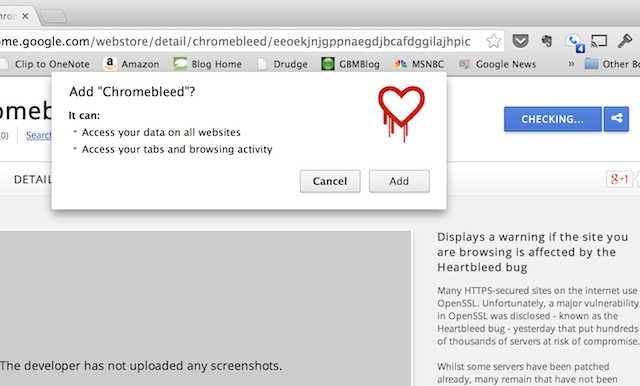
You should check if the websites you use are affected by the vulnerability. To be able to check without having to run scripts manually, you can download a Chrome extension that will do it automatically for you. Chromebleedwill warn you when a site you are visiting is not secure.
You can also connect to a website set up for this very purpose to check a site before making a “secure connection.” We had published Filippo Valsorda's website since the first day of the announcement
What else should I do? Monitor your bank and credit card statements for any unusual activity, as the information that may have been leaked could have been used by hackers. Some sites, such as tech news outlet Ars Technica, have asked their users to change their passwords. It would be a good idea to change passwords anyway. Be careful, though, before changing, check the website with the Google Chrome plugin we mentioned above.
