

The design of a common charger for all mobile phones sold in the EU was called for by MEPs in a draft law on radio equipment they adopted on Thursday. The aim is to reduce costs and unnecessary waste, as well as consumer inconvenience. The bill is the result of an agreement already reached between the European Parliament and the Council.
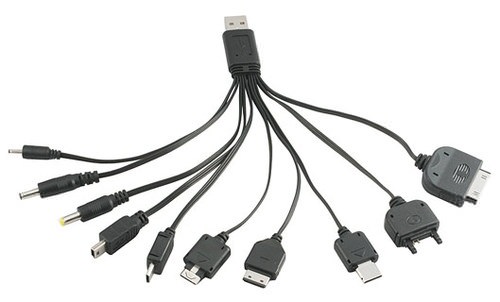
"The revised EU directive on radio equipment will be an effective tool to avoid interference between different devices. I am particularly pleased that we have agreed on the introduction of a common charger, to the benefit of both consumers and the environment. This will put an end to the current variety of chargers and the 51,000 tonnes of electronic waste produced annually," said rapporteur Barbara Weiler (S&D, Germany).
To effectively respond to the challenge posed by the growing number and variety of devices, MEPs have adopted harmonised rules for the placing on the market of radio equipment, such as mobile phones, car remote controls and modems. They want to ensure that each device does not negatively affect the existence of the other, and that it complies with certain important health and safety requirements.
A common charger
Members of the European Parliament called from the beginning of the legislative process for a common charger to be designed for certain categories of radio equipment, in particular mobile phones, in order to simplify their use and reduce unnecessary waste and costs.
In their opinion, radio equipment placed on the market should be compatible with a common type of charger. However, it is up to the European Commission to decide which categories of radio equipment should comply with this requirement.
Detection of unsafe radio equipment
MEPs argued that competent authorities should have additional tools to help them identify radio equipment on the market that does not comply with the new safety rules.
After a thorough assessment of the information received from Member States, the European Commission will identify the categories of radio equipment that should be given a registration number, which manufacturers will affix to radio equipment placed on the market. A similar database is already in operation in the US.
Next steps
The bill was approved by MEPs with 550 votes in favour, 12 against and 8 abstentions. It will now have to be formally adopted by the Council. Member States will have two years to transpose the revised directive into national law and manufacturers will have an additional year to comply with the new rules.
Online profit 13/3/2014 18:12
