

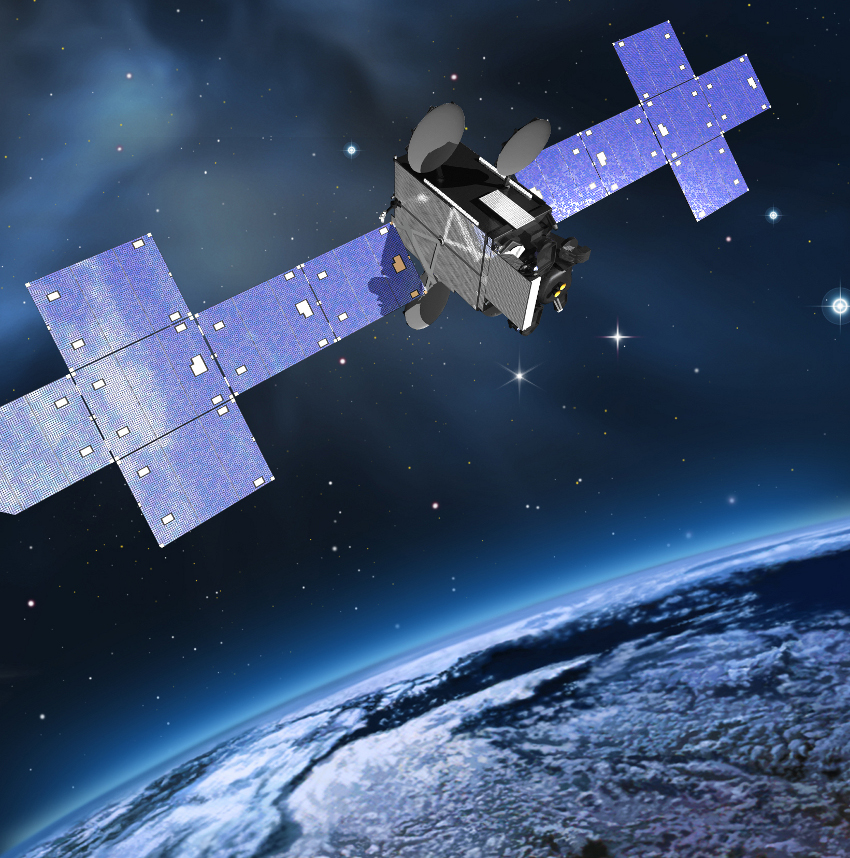
NASA is working on a plan to prove that communications in our solar system can travel at the speed of light, with the demonstration spacecraft scheduled to launch in 2017, according to officials.
The Laser Communications) is trying to prove that focused laser beams can be successfully used to transmit data across the solar system, much faster than is currently possible with radio waves or other methods. For example, it currently takes about 8 to 10 minutes for signals transmitted from Earth to reach a robot on Mars. Relay Demonstration (LcrD
Those times could be significantly reduced, NASA researchers say. The LcrD mission was created to achieve exactly that goal. Although it will be just a test spacecraft, its success or failure will largely determine whether we continue to dream of using lasers to communicate in space.
The plan recently passed a significant NASA assessment milestone called a critical pre-study, which examines the overall state of the plan rather than its components, and then evaluates the chances of success.
NASA's mission is scheduled to launch no earlier than 2017, from a commercial satellite. LCDR is largely intended to follow in the footsteps of the highly successful Lunar Laser Communications Demonstration, also developed by NASA.
Watch a related video from NASA
