

Google's self-driving cars have been discussed (and mocked) by many who doubt that they will be a safe solution. But according to an article in Backchannel, their concerns are probably unfounded.
According to the publication reported by TNW, Google revealed details about how its cars work, as well as some of the accidents they have had to date.
The company says its self-driving vehicle guidelines can help reduce accidents caused by driver error, which accounts for 94 percent of accidents in the United States, according to the National Highway Traffic Safety Administration.
Google currently has over twenty cars on the road, which have traveled 1,700,000 miles in the 6 years since the project began – both autonomously and with some manual intervention.
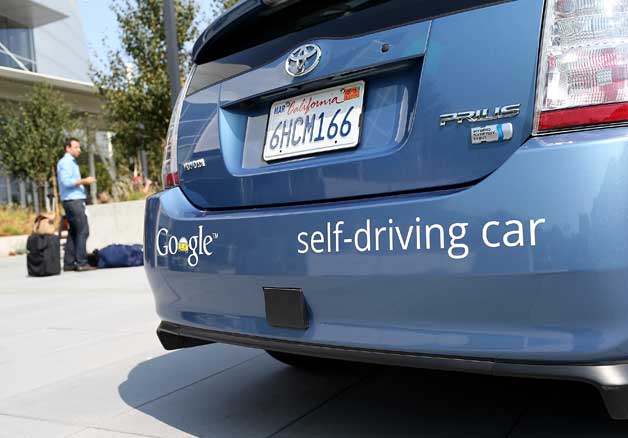
The company says they cover about 10,000 miles per week in autonomous mode, which is the miles a typical American driver drives in a year.
In all those miles (which were mostly on city streets) the vehicles were involved in 11 "minor" accidents, with no injuries.
You can think whatever you want about that number, but the key point is that none of the accidents that have occurred so far were caused by self-driving cars, according to Google.
The company says it was all a result of dangerous driving. City roads are much more likely to cause an accident than highways, and Google says it observed very dangerous driving by others, which included using cell phones, and in one case, a person playing a trumpet while driving.
Although Google says the crashes are not its fault, it continues to try to learn from them, and identify patterns of bad driver practices.
For example, all Google cars will stop at an intersection before the light turns green for pedestrians, as we often see vehicles trying to pass by speeding.
In one case, a cyclist did not notice that the car was preparing to turn.
The 360-degree cameras used by Google noticed it and predicted its path. So the car waited until the cyclist passed.

The cyclist is the blue box, and the red line is the route that Google predicted he would take.
