

Tesla's self-driving taxis, known as Tesla Robotaxi, have arrived in a fifth city in the United States, Miami. This time, the company has taken a major step towards full autonomy, as there is no human supervisor in the car. The announcement was made via a post on X, which featured a map showing a small area on Miami's West Side, away from the busy downtown.
See also: Tesla's 'Robotaxi' fleet is shrinking instead of growing

This approach mirrors the strategy Tesla followed in Dallas and Houston earlier this year.
One notable change is that Tesla is operating the cars in Miami without a safety monitor, the company’s vice president of AI software, Ashok Elluswamy, told X. This change was first reported by The Information and marks an increase in the company’s confidence in its technology. When Tesla launched in Austin in June 2025, it placed a monitor in the passenger seat, but the company only removed them later, showing progress and confidence in its technology.
The service’s rollout follows a familiar pattern. Tesla opens in a limited area and then expands. Austin, for example, expanded from a small area to the entire metropolitan area last month. Miami will likely follow suit as the company continues to test and refine its technology in real-world conditions.
But Tesla isn’t alone in the city. Alphabet’s Waymo launched its driverless service in Miami in April, while Amazon’s Zoox is also testing its own autonomous vehicles there. Miami is quickly becoming a testing ground for robo-taxis, as Phoenix and Austin were before it. This concentration of tech companies in the area suggests Miami’s importance as a hub for innovation in autonomous driving.
See also: Tesla's autonomous 'Robotaxi' finally show signs of growth
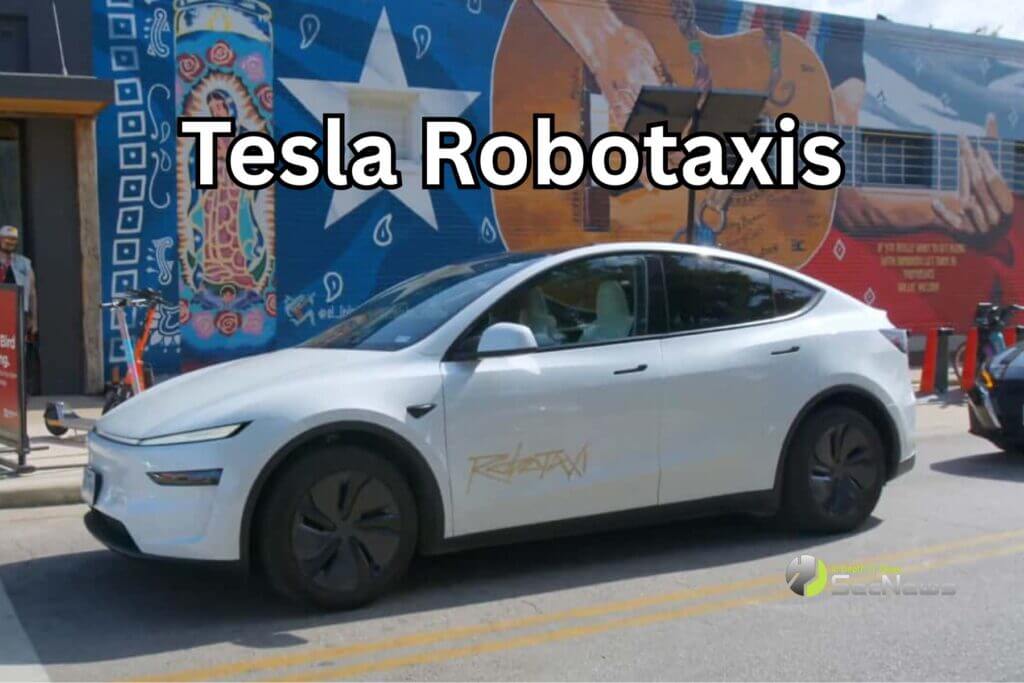
Despite the progress, Tesla still lags behind market leader Waymo, which operates a much larger fleet. That difference is a matter of public record, but Tesla is moving quickly. Its camera-only approach is cheaper to deploy than the sensor-based systems favored by its competitors. That gives Tesla a cost advantage, allowing it to expand more quickly and test its technology in more areas.
The company has set ambitious goals for the future. On an April earnings call, CEO Elon Musk said Tesla aims to offer the service in a dozen states by the end of the year. It has publicly mentioned cities in Florida, Arizona and Nevada as the next stops, including Orlando, Tampa and Phoenix. Despite the ambitious timeline, Tesla has a habit of missing its self-driving deadlines, so the map may fill up more slowly than Musk suggests.
There’s also the issue of safety. Removing the human supervisor increases the risk of every ride, and regulators are closely watching developments. Tesla has already settled a fatal crash involving Full Self-Driving, highlighting the challenges and risks that come with autonomous driving. Still, the map of driverless areas continues to grow, with Miami the latest addition.
See also: Tesla releases 'Robotaxi' app on Android
This development has significant implications for users and organizations. For users, Tesla Robotaxi offers a new form of transportation that promises greater convenience and potentially lower costs. For organizations, this technology opens up new opportunities for innovation and growth, but also challenges in terms of safety and regulation. As Tesla and other companies continue to invest and test their technology, the future of autonomy on the roads seems closer than ever.
