

Florida is the latest U.S. state to get involved in the ever-increasing regulation of electric bicycles, with lawmakers pushing a bill that would impose a 10 mph (16 km/h) speed limit for electric bikes on shared trails. The move is part of a broader national trend as states and cities across the country reconsider how electric bikes fit into public spaces that were never designed for fast, motorized transportation.
See also: New York: New 15 MPH speed limit for electric bikes goes into effect next month

Florida’s proposed legislation is not a blanket crackdown on e-bikes, nor does it redefine the familiar three-tier system seen in tougher crackdowns like New Jersey’s recently created law. Instead, it focuses on where and how e-bikes are used, particularly on sidewalks and multi-use trails where speed differences between users can quickly become a safety issue.
At the heart of the bill is a requirement that e-bike riders reduce their speed to 10 mph (16 km/h) or less when riding on shared paths or sidewalks occupied by pedestrians. Riders would be required to reduce their speed when within 50 feet of pedestrians. This means that even an e-bike capable of much higher speeds would have to travel at a near-jog pace when closely mixing with walkers, joggers, or slower moving devices.
Riders should also give priority to pedestrians on these paths and give an audible signal, such as a verbal warning or a bike bell, before overtaking.
The bill includes language clarifying enforcement authority for local governments, but goes further by requiring police to specifically record and monitor all accidents involving electric bicycles and mandating the creation of a task force to analyze the issue and determine whether changes to regulations are necessary.
See also: Why faster electric bikes are probably safer
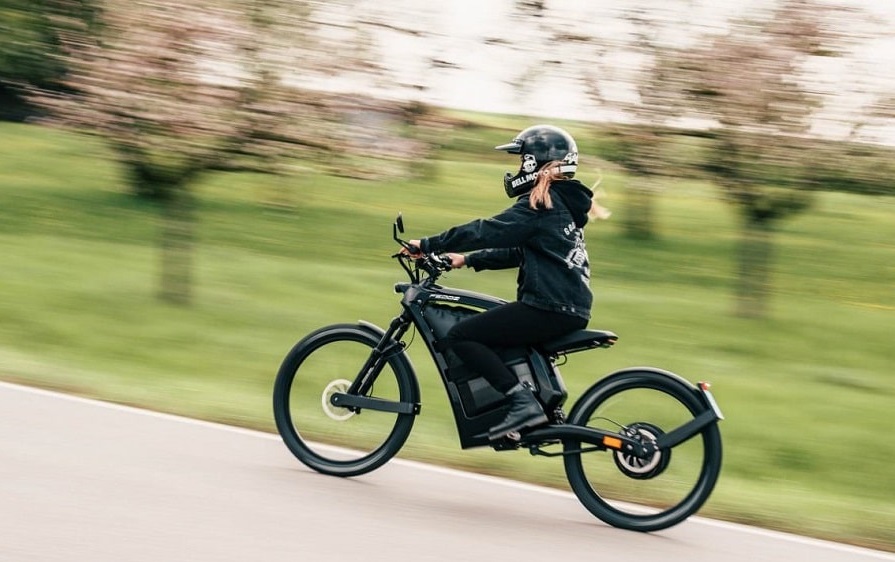
Supporters say these provisions are not about punishing riders but about creating clear, enforceable expectations in places where collisions are most common.
Florida's infrastructure plays a big role in why this issue is getting so much attention. In many parts of the state, city streets typically operate at speeds of 45-50 mph, with actual car speeds often exceeding those numbers, making it inconvenient or downright dangerous to cycle in existing bike lanes that are separated from 55 mph traffic by only a thin strip of paint.
Florida has long led the nation in cyclist fatalities, often double the rates of the next highest states. Instead of traditional narrow sidewalks, Florida often relies on wider, paved, multi-use paths that are set back several feet from the road. These paths are extremely popular and heavily used, with pedestrians, cyclists, scooters, skateboards, joggers, golf carts, and other non-automotive mobility devices sharing the same strip of asphalt.
In this environment, an electric bike at 32 or 45 km/h may seem perfectly natural when the path is empty, but it may seem completely out of place when a group of retirees taking their morning walk pass by.
In the UK, there is no specific speed limit for using shared paths, but overtaking someone at more than 15km/h can be intimidating and uncomfortable if they are not aware, especially if there is not a significant amount of space. It is generally suggested that 15km/h is as fast as is reasonable on a shared path, as there are often people walking dogs without a leash who can unexpectedly lunge forward.
See also: USA: Teenagers turn to electric bikes – They reject cars
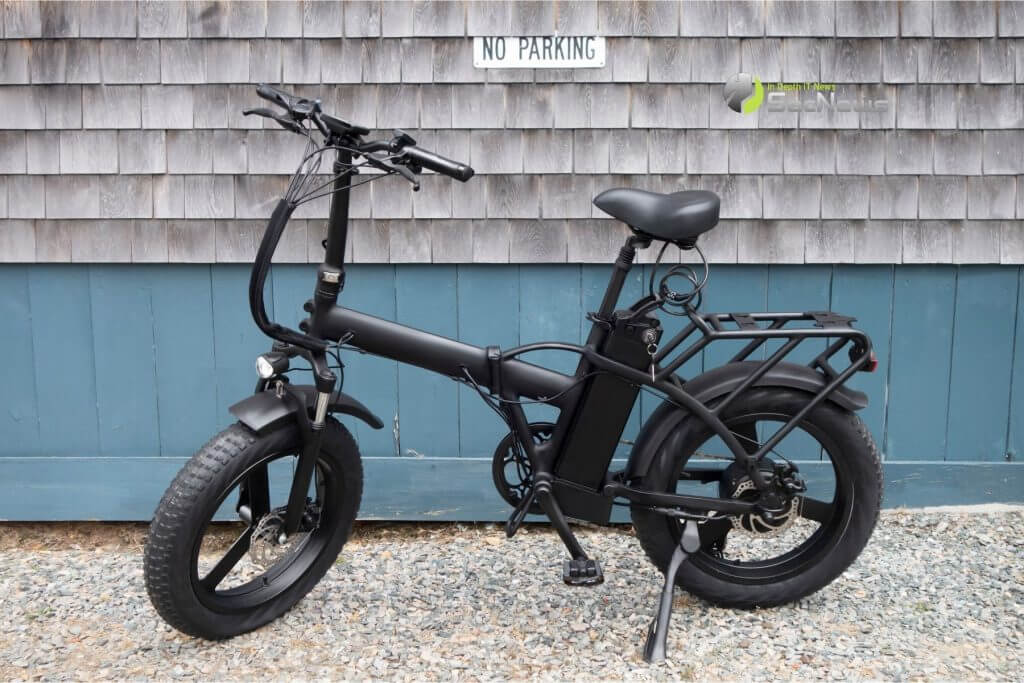
Slowing down for a moment isn't particularly onerous, as 15 meters is about 3 seconds at these speeds. Elderly pedestrians, in particular, often take several seconds to react to a bicycle bell.
