

Meta , the parent company of Facebook and Instagram , is at the centre of a new legal battle with the UK media regulator Ofcom , filing an appeal at the High Court in London. The dispute concerns the way supervision fees are calculated and potential fines under the Online Safety Act 2023 .
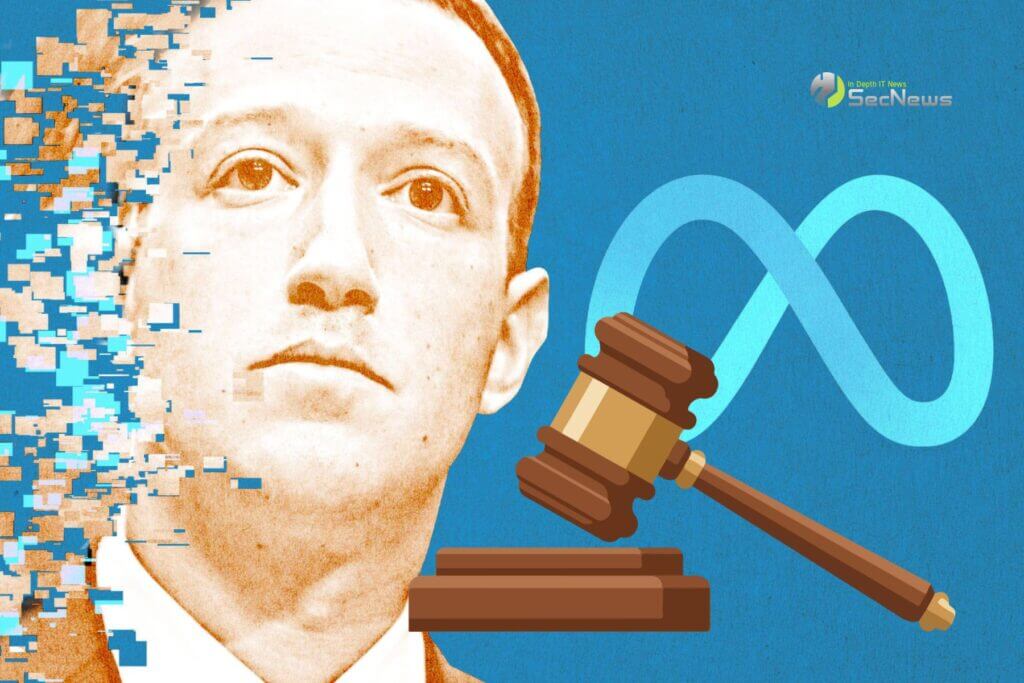
According to evidence presented to the court, Ofcom argues that the charging system is based on the global revenues of the tech companies it regulates. This means that large platforms could be charged significantly, regardless of the size of their UK business. The case is expected to be a benchmark for how digital surveillance rules will be applied in the country in the future.
The regulatory framework of the Online Safety Act 2023
The Online Safety Act 2023 is one of the strictest laws in Europe to protect users online. It provides for increased obligations for social networking platforms, such as removing harmful content, protecting minors and increasing transparency in algorithms.
See also: Major publishing houses sue Meta for copyright infringement
It also gives Ofcom the power to impose fines of up to 10% of a company’s worldwide revenue . In addition, the regulator has the right to recover the costs of operating the oversight system through fees levied on the technology companies themselves. This funding model is a key point of friction in this case.
Ofcom's position and the rationale for regulation
Ofcom defends its methodology, stressing that using global revenue as a basis for calculation is necessary to ensure effective funding of regulation. A spokesperson said the fees and fines were designed to reflect the overall financial power of the big tech companies.
The regulator argues that Meta is essentially reacting to the prospect of paying higher fees and possible future sanctions. It also notes that without a single global benchmark, it would be difficult to ensure parity between companies that operate internationally but impact the British digital environment.
Meta's reaction and the issue of proportionality
Meta, for its part, describes Ofcom's methodology as disproportionate and overly burdensome. The company argues that the charge should be based solely on services offered within the UK and not on a group's total global revenue.
See also: Meta brings DMs to the web version of Threads

According to a company spokesperson, the current approach could lead to fines that would be historically high for the UK. Meta and other technology players in the industry are concerned that such regulations could affect the country's investment attractiveness in the technology and digital services.
The judicial process and the timetable for decisions
During the hearing, Ofcom legal representative Javan Herbergsaid the authority aims to issue the first billing invoices in the third quarter of the year, most likely in September. He also warned that if Meta's appeal is upheld, Ofcom may have to refund amounts already collected.
This development adds pressure to the process, as the court is called upon to decide not only on the legality of the methodology, but also on the financial consequences that will arise for the supervisory system.
Implications for the global technology industry
The Meta-Ofcom case is expected to have wider implications for the regulation of digital platforms internationally. If the court rules in favour of the British authority, it could strengthen the trend towards stricter regulation of large technology companies based on their global financial size.
See also: Meta introduces AI bone structure analysis to identify minors
Conversely, a Meta vindication could limit regulators’ ability to implement charging models based on global revenue, potentially leading to more locally-oriented regulatory frameworks. In any case, the case represents a critical crossroads for the relationship between governments and big tech platforms in an era of heightened digital surveillance.
Source: www.reuters.com
