

Password management is one of the most critical challenges for any small business in the digital economy. Cyber attacks are becoming increasingly targeted and losses from data breaches can be devastating for businesses with limited resources. Secure password management combined with Two-Factor Authentication (2FA) is no longer an option, but a necessary protection measure.
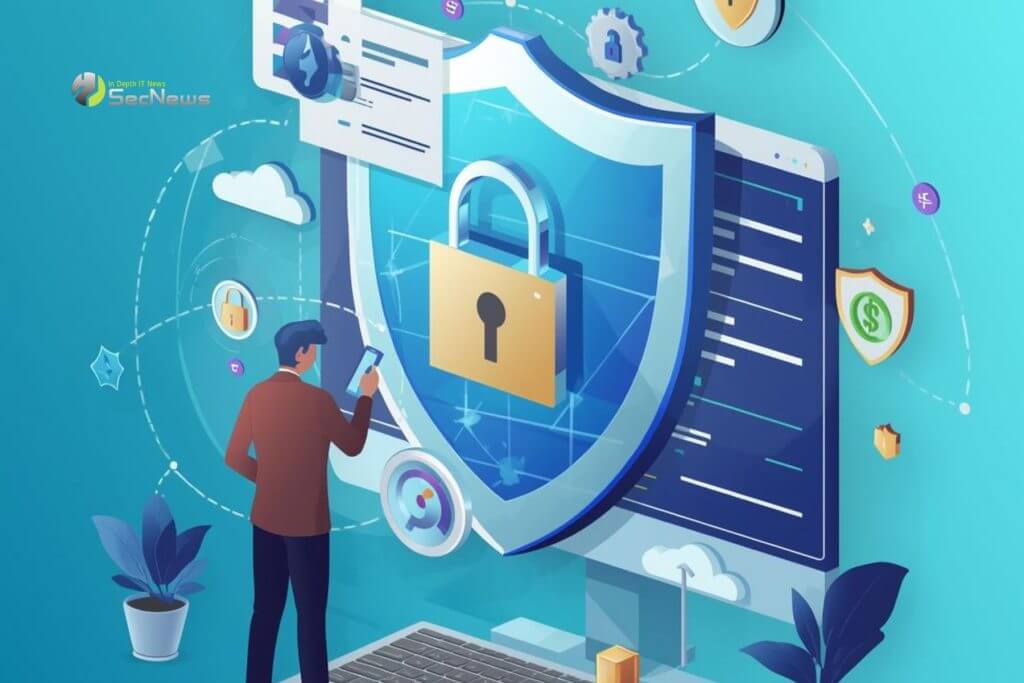
Why proper password management is critical
Most employees use simple or repetitive passwords, which makes small businesses vulnerable to phishing, brute-force attacks , and credential stuffing. Using strong, unique passwords for each platform drastically reduces the risk of a breach. At the same time, systematically renewing passwords and storing them in a secure environment are key elements of digital hygiene.
See also: Cybersecurity: New standards for New York City's water systems
Step 1: Choose a reliable password manager
Using a password manager is the first and most important step. These tools allow you to store and generate strong passwords without having to remember them. Choose solutions that offer end-to-end encryption and the ability to sync across devices. Popular options for small businesses include Bitwarden, LastPass Business , and 1Password Teams.
Step 2: Creation of strong and unique passwords
A strong password should be at least 12 characters long, with a mix of uppercase and lowercase letters, numbers, and special characters. Avoid obvious words or repetition. Password managers can generate randomized, unique passwords for each account, reducing the risk of a breach in the event of a data leak.

Step 3: Enabling Two-Factor Authentication (2FA)
2FA adds an extra layer of protection. Even if one password is compromised, an attacker can’t gain access without the second factor – usually a temporary code sent to a mobile phone or generated by an app like Google Authenticator or Authy. It’s important to enable 2FA on all critical tools, such as email, cloud storage, and CRM platforms.
See also: Android vs iOS: Which operating system is more secure?
Step 4: Training and awareness of staff
Technology alone is not enough. Training staff on the importance of strong passwords and how to recognize phishing emails significantly reduces the human element of risk. Often, breaches occur not because of weak systems, but because of employee mishandling.

Step 5: Ongoing review and updating of security policies
Small businesses should have a clear plan password and 2FA management . This includes regularly renewing passwords, evaluating security tools, and updating policies in case of new threats. A simple audit every 3-6 months can prevent serious incidents and ensure that the company remains protected.
See also: Child Online Safety Act gains traction in the US
Secure password management and enabling 2FA are not just technical practices, but strategic protection tools for small businesses. With proper organization, the right technology, and staff training, small businesses can drastically reduce the risk of cyberattacks and protect their data. In a world where threats evolve daily, prevention is always better than cure.
