

The first reviews of the M5 Pro and M5 Max MacBook Pro models are here, and while the improved performance is nice, no one is a fan of the $200. The M5 Pro and M5 Max versions of the 14-inch and 16-inch MacBook Pros were announced on March 3, offering better performance. These two laptops are upgrades in specs, meaning there's essentially no other change compared to the previous M4 Pro and M4 Max models.
See also: Apple has even more new Macs coming in 2026
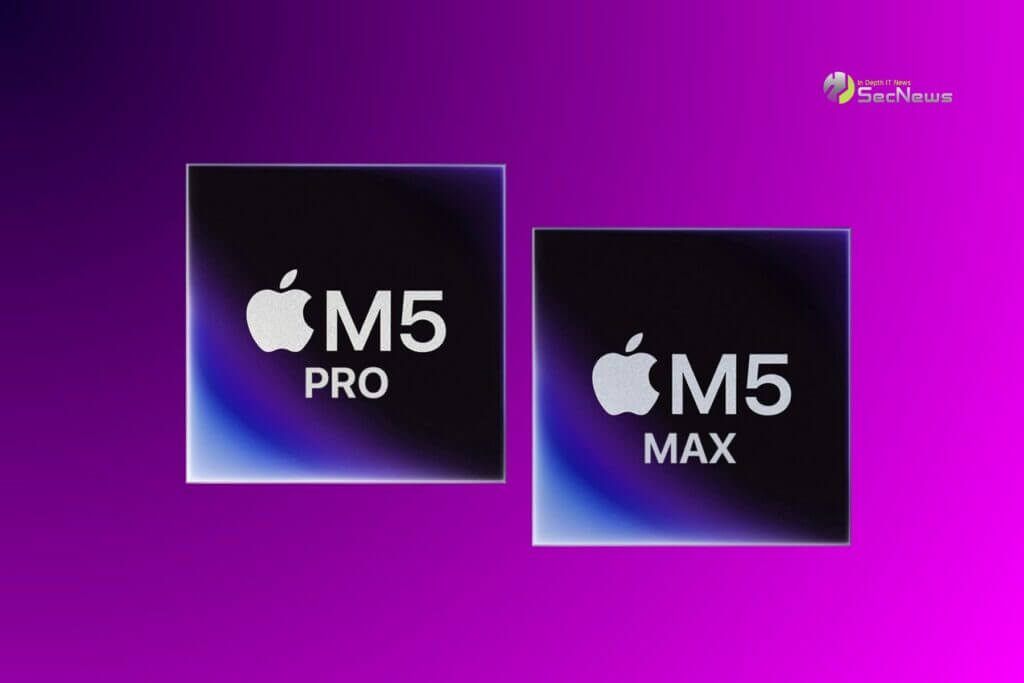
As a result, most reviews of the new laptop configurations focus mainly on the processing hardware, what it can do and how it performs in various tasks, whether they are hardware‑intensive or not.
Apple, with the release of these new models, aims to maintain its position in the high-performance laptop market. Users who require strong processing power for tasks such as video editing, software development, and content creation will find these new releases particularly attractive. However, the $200 price increase has caused reactions, as consumers expect more changes or innovations to justify the additional cost.
See also: MacBook Neo 2 may feature a touchscreen

Specifically, the upgrades include improvements to the processor, offering increased speed and efficiency. Early testing shows that the new M5 Pro and M5 Max processors offer a significant performance improvement over their predecessors. However, users who already own the M4 Pro or M4 Max models may not find enough incentive to upgrade unless the extra performance is critical to their needs.
Furthermore, Apple continues to focus on improving battery life and screen quality, maintaining the same high build quality that users have come to expect. However, the lack of other significant innovations or design changes may disappoint those looking for something new and different.
See also: Apple Ultra products: Foldable iPhone and touchscreen MacBook Pro

Overall, the new M5 Pro and M5 Max MacBook Pro releases offer performance improvements that will satisfy professional users. However, the price increase without significant design changes or new features may limit the appeal of these models to a broader audience.
