

Disney and Paramount claim that ByteDance 's new AI tool, Seedance 2.0 , distributes and reproduces their intellectual property .
TikTok creator ByteDance says it is working to improve safeguards in its new AI, Seedance 2.0, after accusations from Disney, Paramount and Hollywood trade groups that the tool infringes on their copyrights.
The concerns arose after hyper-realistic videos created by the Seedance 2.0 model went viral last week. The videos featured characters resembling well-known actors Tom Cruise and Brad Pitt, as well as characters from Dragon Ball Z, Family Guy and Pokémon.
See also: Alibaba: Qwen3.5 model is coming for the “agentic AI era”
“ByteDance respects intellectual property rights and we have heard the concerns regarding Seedance 2.0,” a ByteDance spokesperson said in a statement shared by CNBC. “We are taking steps to strengthen our current safeguards as we work to prevent unauthorized use of intellectual property and user likenesses.”
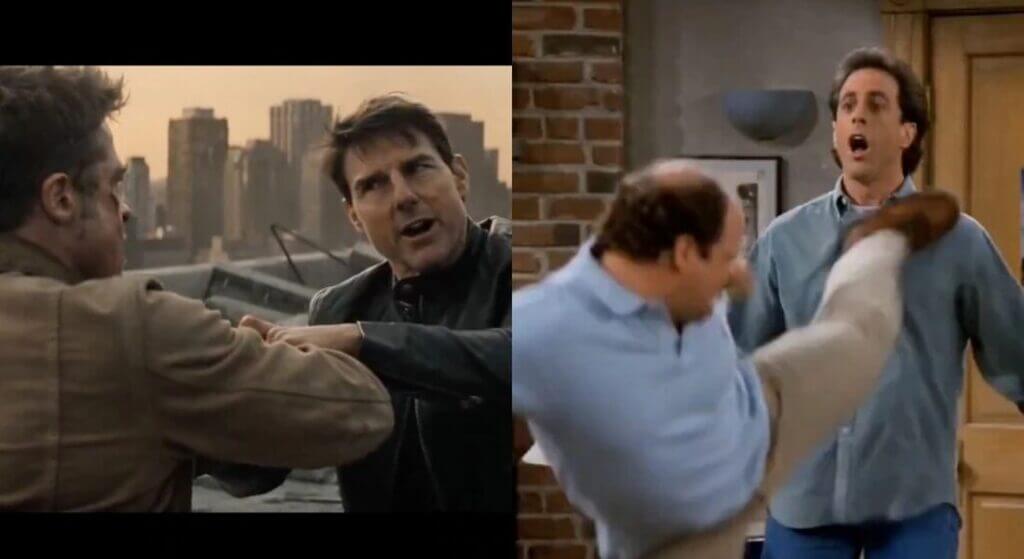
ByteDance brings changes to Seedance 2.0 due to complaints
ByteDance’s response comes after complaints from major studios. In a letter sent Friday, Disney accused ByteDance of “taking” its protected characters through “reproducing, distributing, and creating derivative works” that feature them. Deadline reports that Paramount Skydance followed up with its own letter, demanding that ByteDance remove all content that infringes on intellectual property and prevent the creation of new content.
See also: A single prompt breaks down AI security in 15 major language models
Hollywood trade groups have also intervened, including the Motion Picture Association (MPA) and the talent union SAG-AFTRA. MPA CEO Charles Rivkinissued a statement accusing ByteDance of engaging in copyright infringement on a “massive scale” and ignoring well-established laws that support “millions of American jobs.” SAG-AFTRA said its members’ voices and likenesses have been used by Seedance 2.0 without authorization.
“This is unacceptable and undermines the ability of human talent to earn a living,” SAG-AFTRA told AP News. “Seedance 2.0 disregards the law, ethics, industry standards and basic principles of consent. Responsible AI development requires accountability, and that is nonexistent here.”

How is the entertainment industry changing with AI?
The Seedance 2.0 case highlights in the clearest way the new reality taking shape in the entertainment industry: artificial intelligence is evolving faster than the legal and ethical framework that is called upon to regulate it. As tools, such as ByteDance's, can produce hyper-realistic content in a matter of seconds, studios and artist associations see not only their intellectual property, but also the very future of creative work, threatened.
See also: Adobe Develops IP-Secure Generative AI Models for Entertainment
Pressure from giants like Disney and Paramount, combined with the intervention of organizations like MPA and SAG-AFTRA, shows that the conflict between Hollywood and AI platforms is just beginning. The question now is not whether there will be restrictions, but how quickly tech companies can implement effective safeguards before legal battles and regulatory interventions become inevitable.
In an era where content creation is moving into new, uncharted digital paths, the balance between innovation and respect for rights may prove to be the greatest challenge of the next decade.
