

A serious technical incident on the radio frequencies of the Athens FIR was enough to cause chaos in the country's air traffic, highlighting in the most brutal way the chronic weaknesses of critical air navigation. For more than five hours, on January 4, 2026, Greece's air traffic control system was in a state of partial collapse, with hundreds of flights grounded and thousands of passengers experiencing scenes of unprecedented suffering.
Long-hour restrictions and chaos at airports
The technical problem led the Civil Aviation Authority to immediately activate the required safety protocols. A NOTAM was issued and strict restrictions were imposed on landings and takeoffs throughout the country, including Athens International Airport. Although the CAA assured that flight safety was not compromised at any stage, the impact on travelers was enormous.
See also: United Kingdom: Strengthening cyber defense in the public sector
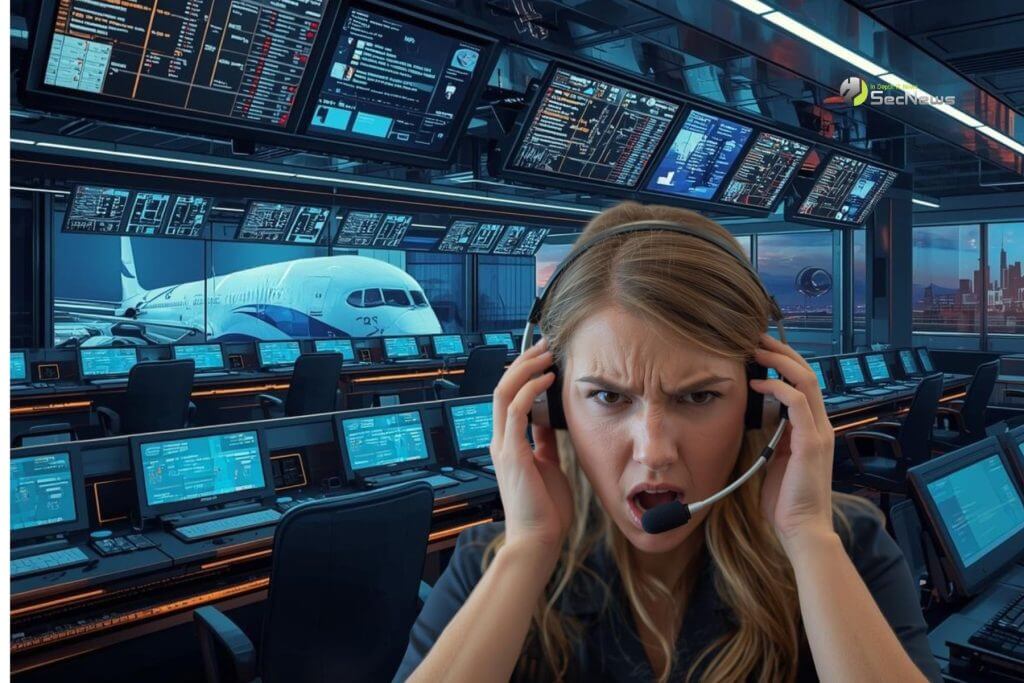
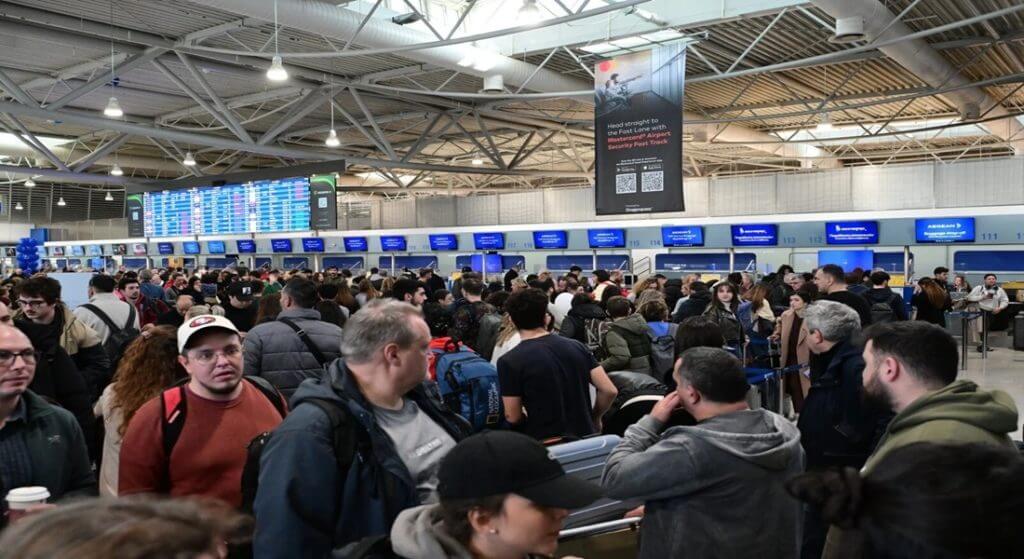
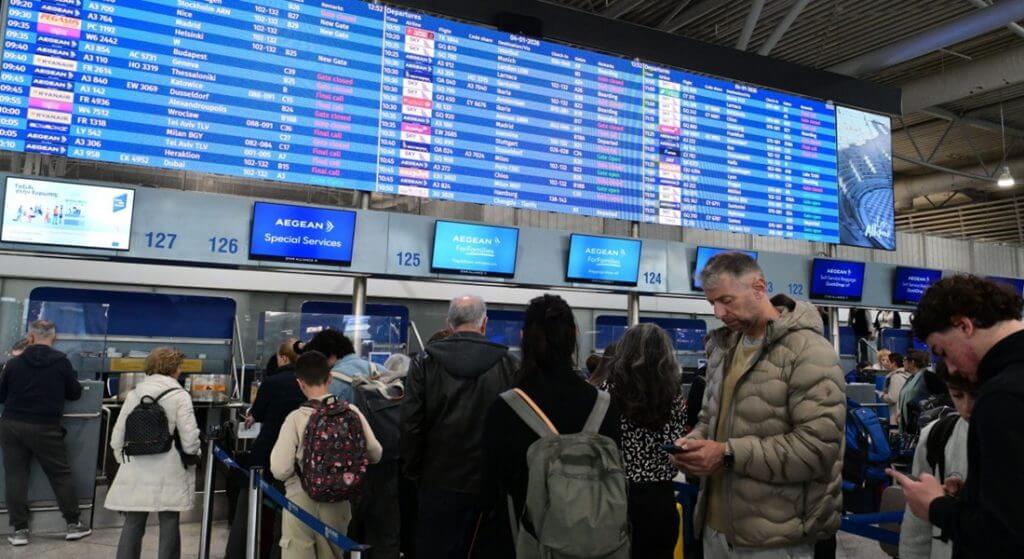
Cancellations, long delays, queues without clear information and flight transfers for the following days created a scene of intense uncertainty. For many hours, passengers did not have clear answers about what exactly had happened and when the system would be fully restored.
Athens FIR blackout: From sabotage scenarios to internal failure
The first reports from the Hellenic Civil Aviation Authority about "massive interference" in the frequencies opened the Aeolus bag. Scenarios were circulated about a cyberattack, the use of jammers, and even hostile action by foreign forces. The Hellenic Security Agency was mobilized, the National Cybersecurity Authority entered the investigation process, and a specially equipped aircraft took off to scan the frequency spectrum.
The result of this extensive mobilization was revealing: no external attack. No hackers, no intruders, no suspicious activity. The problem turned out to be internal – and that makes it even more worrying.
See also: The Black Cat behind new SEO Poisoning campaign
A system with a "single point of failure"
According to the information that has been made public, the collapse was likely caused by a faulty circuit board in a old system decades- or a failure in a telecommunications hub, which caused what we call a “resonance phenomenon.” Imagine it as if we put a microphone next to a speaker and it creates that ear-piercing shrill sound, but on a national scale. The system essentially started shouting at itself, creating internal interference that killed everything.
The scandal is not the fault itself, but the cause. We are talking about systems that are decades old and have not been modernized. The controllers have been shouting for years that the equipment is ancient.
The incident brings to light serious issues of underfunding and delays in upgrades. The radar at Hellinikon has been out of service for two years, while the budget for digital upgrades was reportedly only 350,000 euros – an amount that seems inadequate for such critical infrastructure. And worse, there is what engineers call a “Single Point of Failure”: a single component, the failure of which was enough to affect the entire airspace of the country. There are no independent backup systems that can take over immediately.
It is worth noting that a similar problem had also appeared in August 2025, on a smaller scale, but without leading to any substantial interventions.
See also: Kimwolf botnet abuses home proxy networks
A foretold accident
Air Traffic Controllers are speaking out about a “foreshadowed” incident. They are citing chronic inaction, mismanagement and outdated equipment, calling for a transparent investigation, a clear timetable for full restoration and immediate investment in critical systems.
The most worrying conclusion is perhaps this: it doesn’t take an external enemy to paralyze the country. A simple technical failure is enough. And this, as it turns out, is much more terrifying than any cyberattack. It shows that our national infrastructure is hanging by a thread , or rather, by an old, dusty board that no one has cared to change.
The question now is not whether we were attacked, but how lucky we will be the next time the system decides to collapse on its own again!
