

A new appearance of Tesla Cybercab in Austin, Texas, is reigniting the ongoing debate over the vehicle's design. While the prototypes were spotted with steering wheels, which is standard for testing, questions are being raised about whether Tesla can actually stick to its plan to launch the vehicle without them, given the state of its autonomous driving effort.
See also: Tesla: Shifting towards AI/autonomous driving
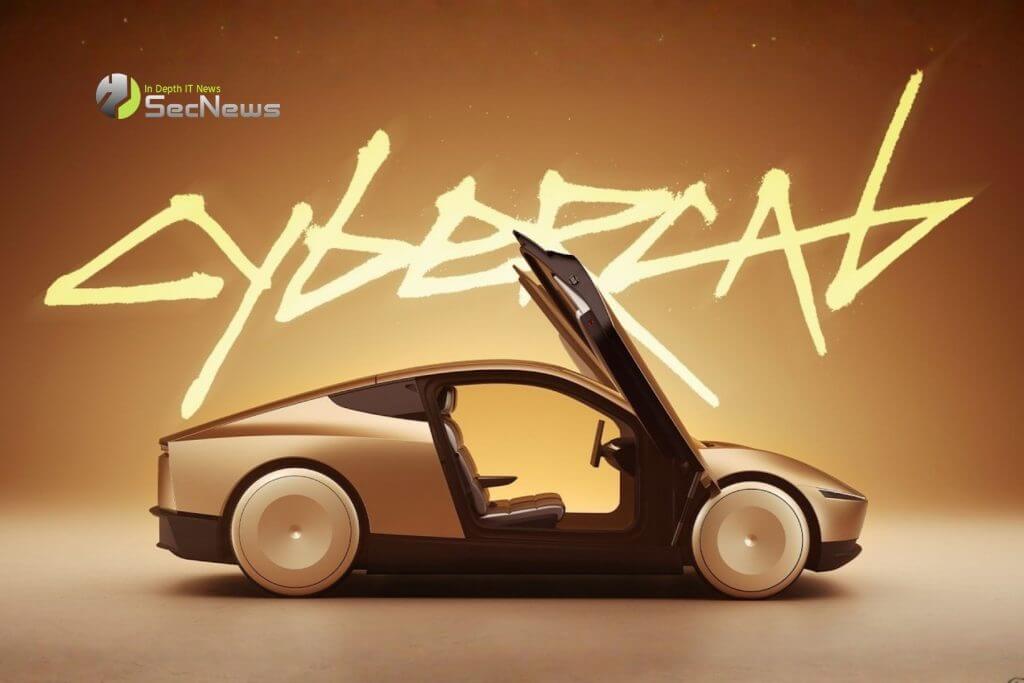
The sighting was posted on Reddit, where a user captured two prototype Tesla Cybercabs driving in a line on South Lamar in Austin. What is immediately apparent in the images is that these vehicles are equipped with steering wheels.
This isn't the first time we've seen this. We previously reported on a Cybercab spotted with a steering wheel in Giga Texas, which sparked similar speculation.
On the one hand, this is perfectly normal. Even if a vehicle is designed to be fully autonomous and driverless in its final production form, mechanical prototypes tested on public roads almost always require manual controls. Regulations generally require that a human safety driver be able to take over control if the autonomous system fails.
However, the presence of the steering wheel is becoming a point of focus as we approach the planned launch of the Cybercab next year and amid growing skepticism about Tesla's ability to deliver a Level 4 or 5 self-driving vehicle with its current hardware.
See also: Tesla Robotaxi spotted without safety driver in Austin
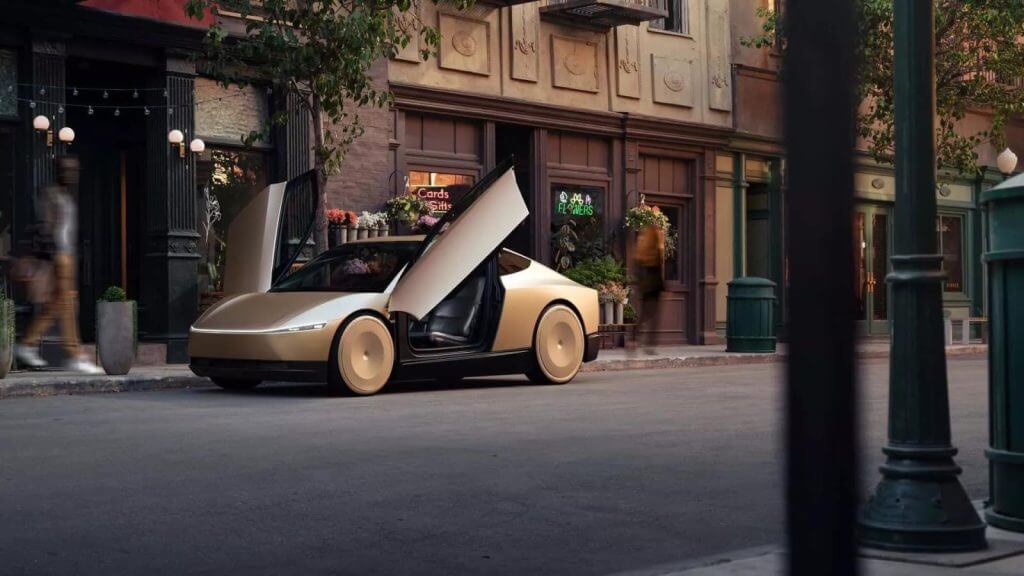
Tesla CEO Elon Musk has been adamant that the Cybercab is explicitly designed for autonomy. At the unveiling, he said, “No mirrors, no pedals, no steering wheel.” But as we approach the planned 2026 production schedule, the reality of Tesla’s progress toward Full Self-Driving (FSD) suggests otherwise. Tesla has yet to solve unsupervised autonomy.
Current “Supervised FSD” in consumer vehicles still requires constant driver attention and while improving, it is nowhere near the reliability required to completely remove driver controls.
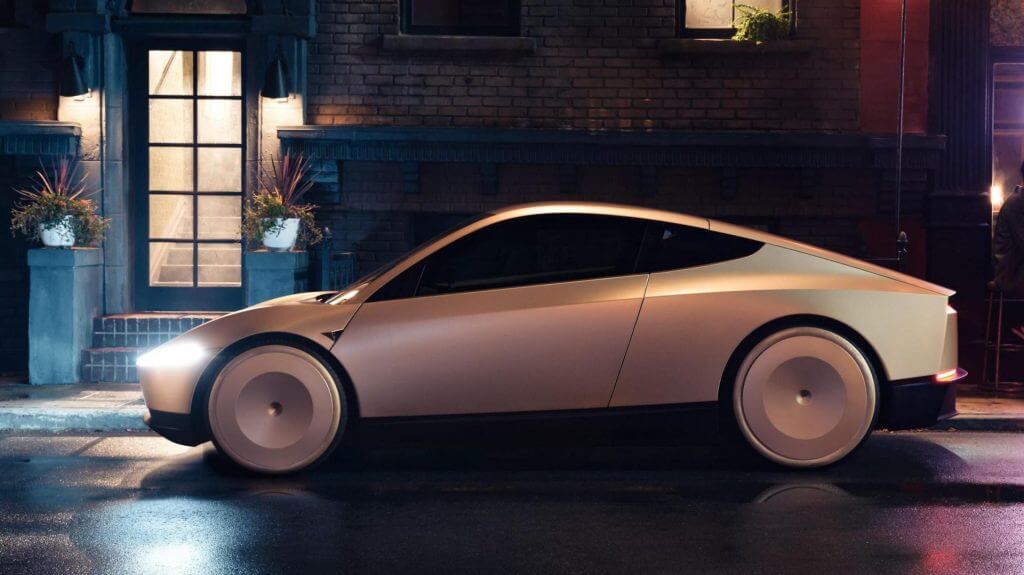
The sight of these Tesla Cybercab prototypes with steering wheels on South Lamar may just be a standard testing procedure, but it also looks a lot like an alternative plan. It’s becoming increasingly clear that Tesla won’t have unsupervised autonomous driving ready for commercial rollout at scale by 2026. If they stick with the “wheelless” design, they simply won’t be able to sell or operate the car in large quantities.
See also: Tesla's US sales drop below 40,000 units
Regulations for vehicles without manual controls are extremely strict and limited to low volumes (like the 2,500 exemption). If Tesla wants the Cybercab to be the volume driver they claim it will be, it needs to be street legal without relying on a software miracle that has been “one year away” for the past decade.
