

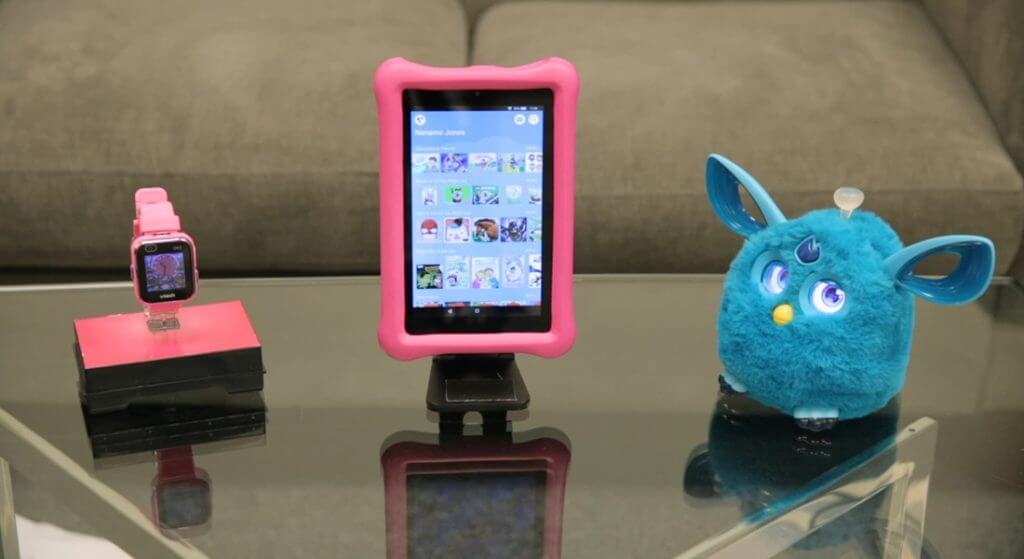
In recent years, digital entertainment for children has changed radically. Toys that connect to Wi-Fi, have built-in microphones or cameras, and support voice communication have flooded the market. From interactive dolls and robots to educational tablets and gaming consoles with online multiplayer, the possibilities are impressive. However, ease of access and interactivity come with significant risks to children's safety and privacy.
The digital age brings new challenges
Smart games and connected devices are constantly collecting data to improve the user experience and customize their features. From simple details like age, preferences, and playtime, to voice data, environmental sounds, and even video streams, the amount of information being recorded is significant.
See also: Child protection online: KOSA reform
Educators and security experts point out that this data collection can become a target for hackers, phishing, or even commercial exploitation.
Toys with voice recognition or built-in cameras offer educational and interactive features, but they also carry risks. A malicious person who gains access to the Wi-Fi network could theoretically monitor or record conversations, collect personal information , or even communicate with the child.
Although manufacturers typically claim that data is encrypted and protected, past incidents have shown vulnerabilities in popular games and smart toys. A few years ago, a popular interactive children's game was attacked that allowed conversations to be monitored and messages sent to children by external users.
See also: Malaysia: Ban social media for children?

Online multiplayer and social interaction
Many games allow children to connect with other players online, creating communities or even virtual classrooms. Despite the educational value, experts warn of dangers such as cyberbullying, grooming or sharing personal information without awareness. Setting up chat and content filters is necessary, but not always enough to limit unwanted interactions.
Parental supervision and educating children on basic safety rules, such as not sharing names, addresses, or schools, is critical to their protection.
What can parents do?
- Control privacy settings: Control what information is collected and who has access to your microphones and cameras.
- Secure Wi-Fi networks: Use high-security passwords and WPA3 protocol, avoiding public networks.
- Communication restriction: Set games to only communicate with people you know or verified users.
- Regular updates: Make sure your firmware and applications are always up to date to close known security gaps.
- Educating children: Talk about online safety and explain why personal data should not be shared.
The future of connected toys
As manufacturers continue to integrate AI, voice recognition, and cloud analytics, games are becoming smarter, but also more vulnerable. The industry is called upon to combine innovation with strong security protocols, encryption, and transparent privacy policies.
See also: EU accuses Meta and TikTok of failing to protect children
The holidays are a time of joy and giving, but connected games require responsibility. Parental education, proper device settings , and supervision can ensure that children's experience remains safe and fun, free from unpleasant digital surprises.
🔒 Protect your privacy with Proton VPN
Swiss VPN from the creators of Proton Mail — strict no-logs policy, strong encryption, and built-in NetShield that blocks ads, trackers, & malware.
- ✔ No-logs, based in Switzerland (except 14-Eyes)
- ✔ NetShield: blocks ads, trackers & malicious domains
- ✔ Covers all devices — free version available
The link is an affiliate link — SecNews may receive a commission at no additional cost to you. It does not affect the independence of our article writing.
