

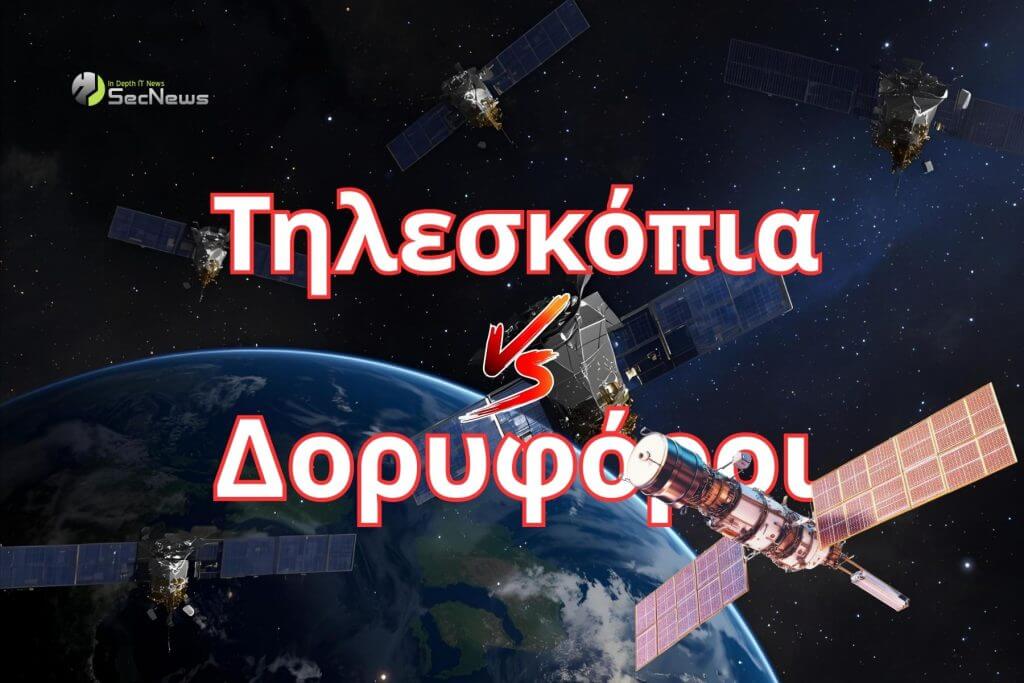
The dramatic increase in satellite launches in recent years appears to be seriously affecting the ability of space telescopes to capture clear, precise images of the universe . According to a new NASA study published in Nature , satellite “scars” in shots could distort nearly 40% of Hubble’s images over the next decade, while for other telescopes the percentage could soar to as much as 96%.
Scientists are sounding the alarm: if light pollution from the growing number of megaconstellations is not curbed, we risk losing important data — from identifying dangerous asteroids to discovering new exoplanets.
See also: Starlink: Reached 10,000 internet satellites
A sky filled with… signs
In recent years, the exponential growth in the number of satellites is radically changing the landscape of space. From about 5,000 active satellites in 2019, there are now more than 15,800 in orbit . And if companies' plans for new launches come to fruition, that number could reach 560,000 within the next decade.
For Alejandro Borlaff, a NASA researcher and lead author of the study, this change feels like a turning point in the history of space observation. "We've spent decades improving the clarity and sensitivity of telescopes. For the first time, we're seeing a factor that could be getting worse rather than better," he says.
Already between 2018 and 2021, satellite trails were recorded in 4.3% of Hubble images — a percentage that increases dramatically as the sky thickens.
Simulations that ring a bell
As part of the study, the researchers simulated what the sky would look like for four different telescopes under the new, overloaded population of satellites.
See also: Apple: Satellite emergency mode available in Mexico
- Hubble is expected to encounter an average of 2.14 satellites per shot.
- The Chinese Xuntian, which will launch next year, could see about 92 satellites per exposure, mainly because of its wider field of view.
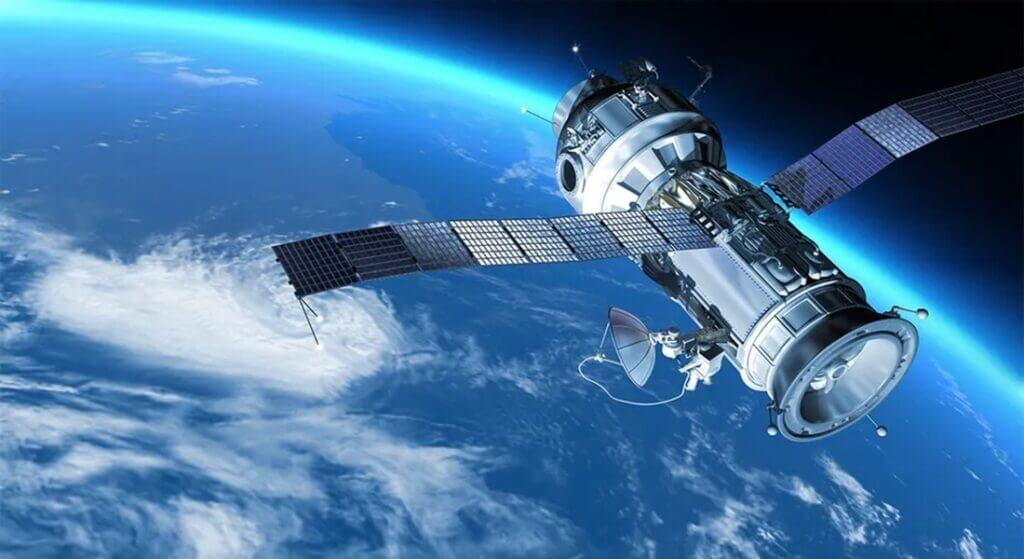
Although telescopes located far from Earth—like the James Webb—remain relatively safe from satellite light pollution, low-orbit instruments face increasing difficulties.
Beyond simple “lines” in images
The problem isn't limited to a satellite passing in front of a galaxy at the time of the shot. These objects reflect bright light from the Sun, Earth, or Moon, creating bright "stripes" that can obscure fine details.
The result? Astronomers can miss crucial clues — like tiny fluctuations in a star's brightness that could indicate the presence of an exoplanet. "If a satellite passes by at the exact moment we're measuring these tiny fluctuations, the information is lost forever," Borlaff says.
Can there be coexistence?
The debate over the need to regulate space is growing. Companies like SpaceX have already taken some steps to reduce the glare from their satellites, but experts say more systematic solutions are needed.
See also: ESCAPADE: Two satellites will reveal how Mars lost its atmosphere

“We need to find a way for huge satellite constellations and space telescopes to coexist sustainably,” Borlaff notes. That means new rules, better planning, and international cooperation — because the sky belongs to everyone.
The stakes for the future of astronomy
As we move into an era where access to space becomes cheaper and more frequent, the scientific community faces a critical crossroads. The technology that enables a global internet from space could also hinder research into the universe itself.
The next moves—technical, institutional, and political—will determine whether we will continue to have a clear window to the stars or whether our picture of space will be clouded forever.
