

YouTube is releasing a new AI feature to protect audiences and creators from deepfake videos.
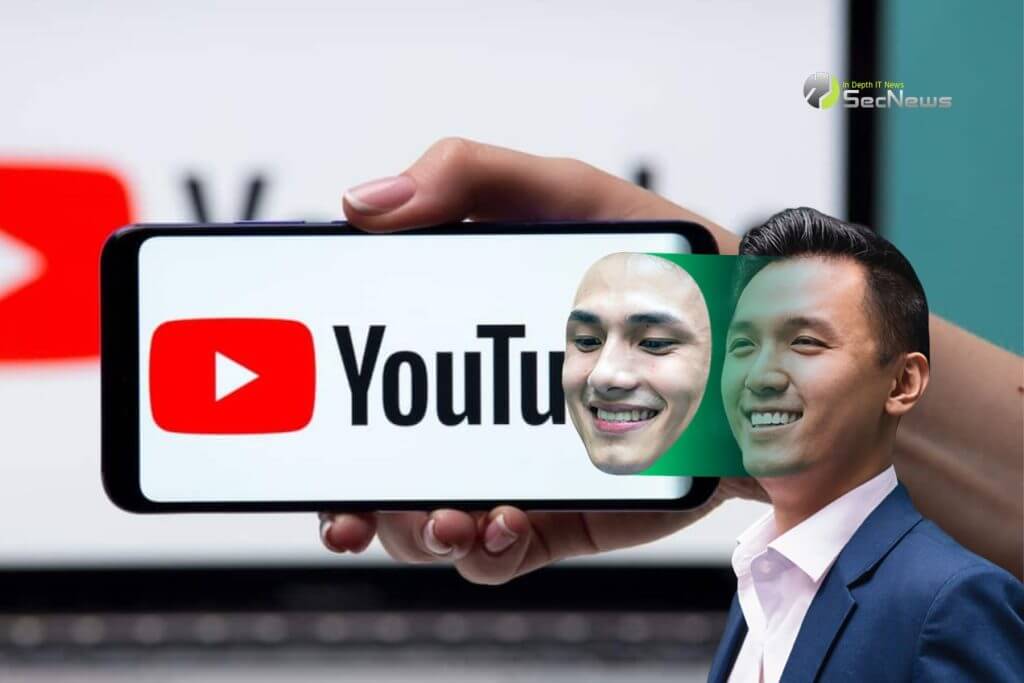
YouTube has launched a new AI “lookalike detection” feature, which allows creators to detect, manage, and request removal of unauthorized videos that use AI to create or modify faces to resemble the creator.
According to YouTube, this feature aims to protect user identities and prevent the public from being misled by deepfakes. The similarity detection tool is available in YouTube Studio under a content detection.
See also: OpenAI: Extra protections for Sora after concerns about Deepfake content
After completing an identity verification process that requires a photo ID and a selfie video, creators will be notified if there are any AI-generated videos image their. YouTube Studio will show a list of videos that include titles, channel, views and dialogue, along with an option to request removal.
The tool supports removal requests for AI videos, as well as requests to remove videos that infringe copyright (in case someone has used copyrighted content without permission).

YouTube creators who are members of the YouTube Partner Program will gain access to the similarity detection tool in the coming months. In a statement to TheWrap, YouTube said that the first creators selected to use the feature are those “likely to have the most immediate use for the tool.” All monetized creators will have access by January 2026.
See also: Deepfake Instagram: Ads use Gisele Bundchen
YouTube: New era in the fight against deepfakes
Artificial intelligence is revolutionizing content creation, but at the same time blurring the lines between truth and illusion. YouTube, aware of the rapid spread of deepfakes, is attempting to take a stand on one of the most critical issues of the digital age: the protection of the identity and reputation of creators.
The new “similarity detection” feature is the first serious attempt by a major platform to introduce facial recognition mechanisms used without permission in AI videos. This is not just a technological step, but a political statement: YouTube recognizes that the creative freedom of AI should not violate the privacy and rights of its users.
The answer to a growing phenomenon
Deepfakes, initially seen as impressive “experiments,” have become a tool for disinformation, intimidation, and exploitation. Creators and audiences alike have been confronted with content that misleads or defames. YouTube’s new feature aims to fill this trust gap — giving users control over when and how their image is used.
See also: Catfishing, deepfakes and scams: The dangers of dating apps

A step towards responsible artificial intelligence
The initiative is part of a broader shift by tech giants toward “AI transparency.” If implemented properly, the tool could serve as a model for other platforms, building trust and deterring malicious practices. However, its success will depend on consistency in implementation, speed of response, and cooperation with authorities.
YouTube is sending a clear message: innovation is no excuse for copyright infringement. In a world where the “real” and the “artificial” are becoming increasingly difficult to distinguish, this step may be the beginning of a more responsible digital age.
🔒 Protect your privacy with Proton VPN
Swiss VPN from the creators of Proton Mail — strict no-logs policy, strong encryption, and built-in NetShield that blocks ads, trackers, & malware.
- ✔ No-logs, based in Switzerland (except 14-Eyes)
- ✔ NetShield: blocks ads, trackers & malicious domains
- ✔ Covers all devices — free version available
The link is an affiliate link — SecNews may receive a commission at no additional cost to you. It does not affect the independence of our article writing.
