

Interfaces(BCIs) are evolving rapidly and promise to revolutionize the way humans interact with machines.
See also: Psychological Engineering: The Invisible Threat of Cybersecurity

These interfaces allow direct communication between the human brain and digital systems, completely bypassing conventional motor or verbal commands. From restoring motor skills to people with disabilities to controlling devices with just their thoughts, this technology opens up new horizons. However, along with the possibilities, serious concerns about cybersecurity and the protection of human mental integrity arise.
The integration of BCIs into everyday applications creates a new threat landscape, in which attacks no longer target simple data or software systems, but potentially the very human mind. If someone gains malicious access to a BCI device, not only the operation of a device is compromised, but also the potential for leakage or modification of neural data. This data is not just personal – it is literally an extension of human thought and experience. Monitoring thoughts, eavesdropping on emotions, or even influencing decisions through external interventions are no longer just the stuff of science fiction, but potential scenarios that must be taken seriously.
See also: Soft skills a cybersecurity professional needs

The cybersecurity challenges in BCIs are multifaceted. Technically, advanced real-time encryption protocols are required that can protect data both during collection and transmission. In addition, the need for low-latency software makes it difficult to implement traditional security methods. From a legal and ethical perspective, fundamental questions arise: who owns the brain data? How is consent ensured when the device “recognizes” thoughts before they are even consciously expressed? What happens if a malicious entity modifies the operation of a BCI in such a way as to influence the user’s thinking or behavior?
The need for a new cybersecurity framework is imperative. Organizations developing BCIs must incorporate security by design, while lawmakers are called upon to establish strict standards and regulations that protect neural privacy. At the same time, society must open a broader dialogue about what boundaries are ethically acceptable in human-machine interaction.
See also: WestJet: Data Breach – Passport Leak
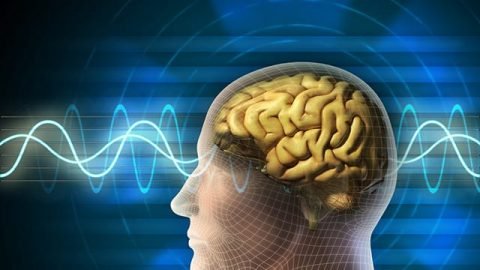
As we move toward an era where our thoughts may be directly “connected” to the digital world, cybersecurity in brain-computer interfaces is not just a technical challenge. It is perhaps the most critical challenge that will define the future of human autonomy, privacy, and human identity itself in the digital age.
🔒 Protect your privacy with Proton VPN
Swiss VPN from the creators of Proton Mail — strict no-logs policy, strong encryption, and built-in NetShield that blocks ads, trackers, & malware.
- ✔ No-logs, based in Switzerland (except 14-Eyes)
- ✔ NetShield: blocks ads, trackers & malicious domains
- ✔ Covers all devices — free version available
The link is an affiliate link — SecNews may receive a commission at no additional cost to you. It does not affect the independence of our article writing.
