

One of the world's most devastating and deadly diseases - Huntington's disease - has been successfully treated for the first time, doctors say. The disease relentlessly kills brain cells and resembles a combination of dementia, Parkinson's disease and motor neurone disease.
See also: New blood type discovered that only one person has
An emotionally charged research team broke down in tears as they described how data showed the disease had slowed by 75% in patients. This means that the progression that would normally be expected in a year would take four years after treatment, giving patients decades of “good quality of life”, Professor Sarah Tabrizi told BBC News.

The new treatment is a type of gene therapy that is administered during 12 to 18 hours of delicate brain surgery.
The first symptoms of Huntington's disease tend to appear in the 30s or 40s and are usually fatal within two decades – opening up the possibility that early treatment could prevent symptoms from occurring.
See also: Paradromics: The first implantation of BCI technology in a human

None of the patients treated have been identified, but one had stopped work because of the illness and was able to return. Others in the trial are still walking despite the fact that they are expected to need a wheelchair.
Treatment is likely to be very expensive. However, this is a moment of real hope in a disease that strikes people in their prime and destroys families.
Huntington's disease is caused by a fault in a part of our DNA called the huntingtin gene. If one of your parents has Huntington's disease, there is a 50% chance that you will inherit the altered gene and eventually develop Huntington's disease yourself.
This mutation turns a normal protein that is essential in the brain – called the huntingtin protein – into a killer of neurons.
See also: Neuralink: FDA approval for device that helps people with speech problems
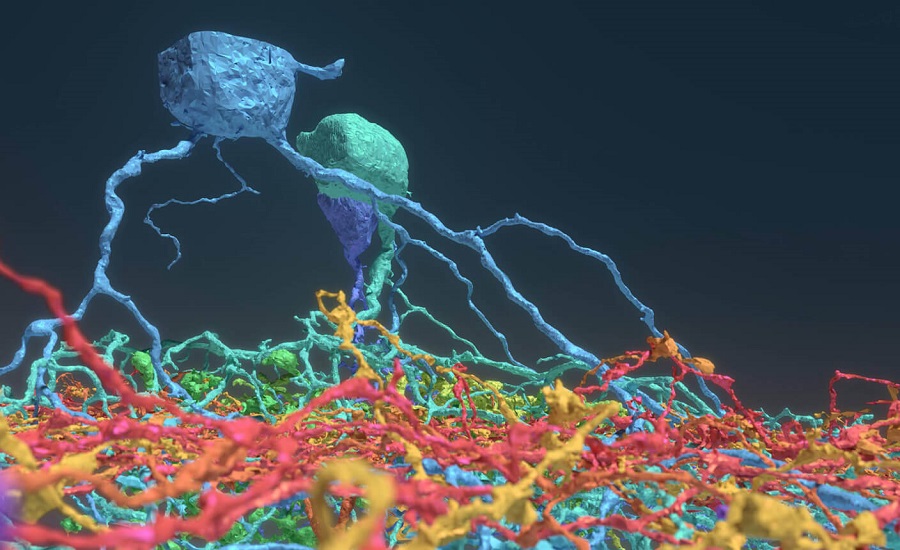
The goal of the treatment is to permanently reduce levels of this toxic protein, with a single dose. The treatment uses cutting-edge genetic medicine that combines gene therapy and gene silencing technologies.
