

After a period of uncertainty and cancellations, VIPER – NASA’s robotic rover designed to “unlock” the secrets of lunar ice – is back in the spotlight. The acronym Volatiles Investigating Polar Explorer Rover will no longer remain on paper: the mission is being reborn through a new partnership with Jeff Bezos’ Blue Origin, with the goal of launching and landing on the Moon in late 2027.
The deal was officially announced by NASA officials, confirming that VIPER will be transported to the surface of our natural satellite with the Blue Moon Mark 1, as part of the Commercial Lunar Payload Services (CLPS). The new contract is worth $190 million, and marks the full reinstatement of a project that many considered lost.
From cancellation to rebirth
VIPER was originally scheduled to travel to the Moon in 2023, aboard Astrobotic's Griffin lander . However, technical difficulties, delays, and cost overruns pushed the date back several times. In July 2024, NASA announced the mission's cancellation, after the total cost had exceeded $450 million . This decision saved about $84 million, but put the future of the rover itself, which was already fully assembled, in doubt.
See also: NASA: Over 6,000 exoplanets have been found
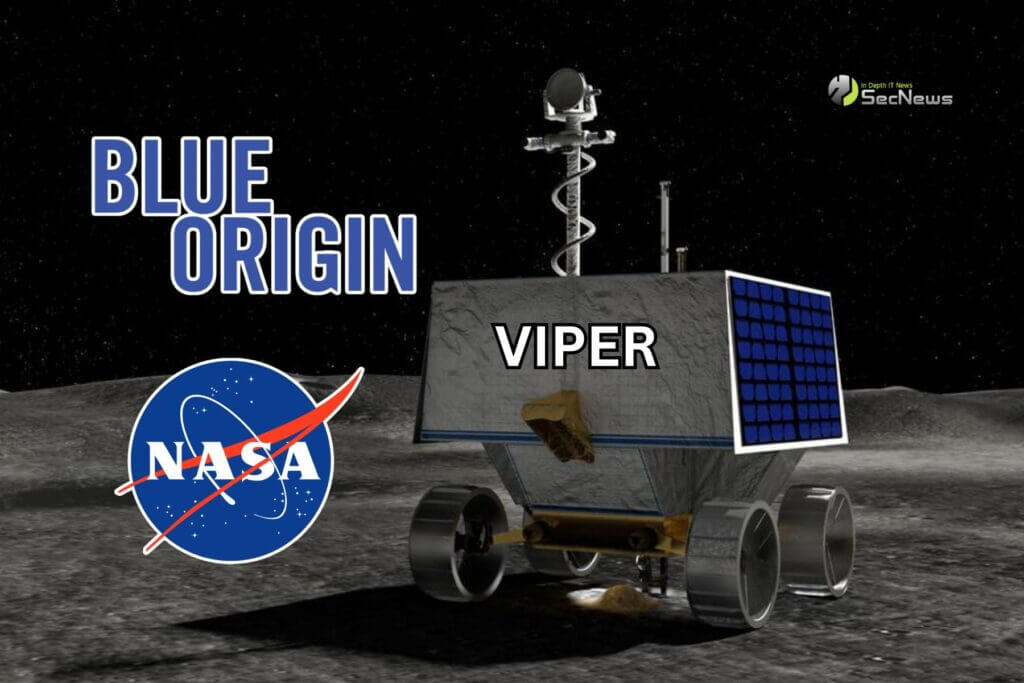
At the time, NASA had left open the possibility of either finding a private partner to cover part of the cost or, failing that, dismantling VIPER and using its instruments on other missions. To many, this seemed like the final end. And yet, less than a year later, Blue Origin appears as a savior.
Why VIPER matters
The rover is not just another exploration vehicle. VIPER is designed to map the ice deposits at the Moon's south pole - an area considered key to long-term human presence in space. The ice can be used to produce drinking water, support life on future bases, and be broken down into hydrogen and oxygen to produce rocket fuel.
The mission is part of NASA’s ambitious Artemis program , which aims to establish a sustainable human presence on and around the Moon by 2030. As NASA’s Deputy Administrator Sean Duffy emphasized , “ American industry plays a critical role in supporting our long-term presence on the Moon .” In short, VIPER is not just a science mission—it’s a cornerstone for the next phase of space exploration.
The partnership with Blue Origin
The new contract through CLPS gives Blue Origin the role of "carrier" of the mission. The company undertakes:
- the design and architecture of the landing,
- the integration of VIPER into the Blue Moon Mark 1,
- and the safe deployment of the rover on the lunar surface.
See also: China may surpass the US as the leading nation in space
It is worth noting that the Blue Moon launch is not included in the contract – which will likely pave the way for a new partnership either with Blue Origin itself (via New Glenn) or with another launch provider.
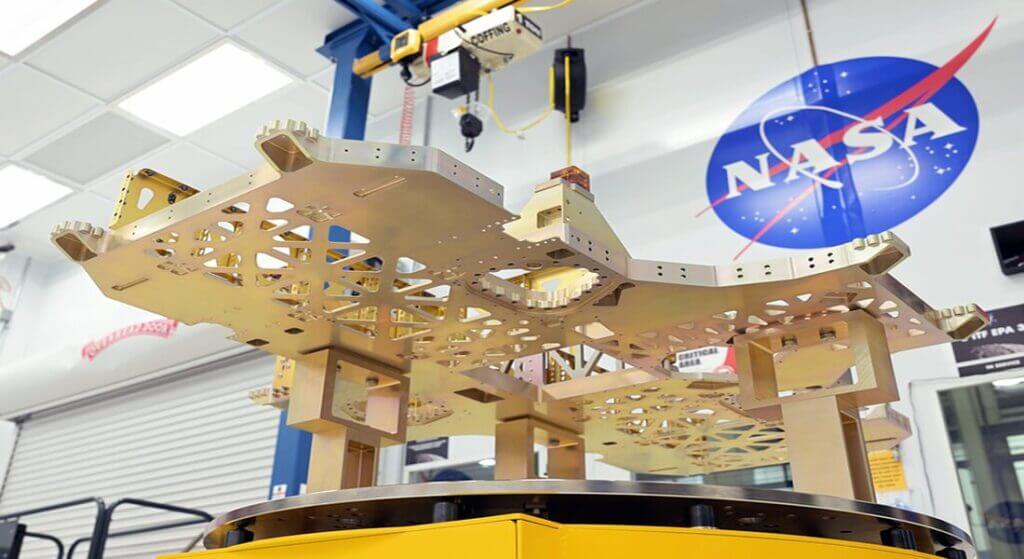
Nicky Fox, associate administrator for NASA's Science Mission Directorate, said the agency is "looking for creative and cost-effective solutions" to achieve its goals. "The landing capability being developed by the private sector allows us to direct our investments more efficiently and strengthen American leadership in space," she added.
The next day on the Moon
If all goes well, VIPER will attempt a 100-day on the lunar surface. During those three months or so, it will search for ice deposits, analyze their distribution, and answer critical questions:
- Is the ice actually in sufficient quantity and form for use?
- How is it distributed in the shadowed regions of the lunar south?
- And most importantly, can it be a foundation for colonies and a space industry?
The findings will have a direct impact on the design of future Artemis missions and future bases that will be attempted to be established on the moon.
One step closer to the space economy
The VIPER story reflects NASA's new direction: less government-led, more private sector collaboration. The CLPS program itself is a testament to this model, with companies like Astrobotic and Blue Origin stepping in to take on critical aspects of the missions.
See also: Perseverance rover: Did it really find evidence of life on Mars?
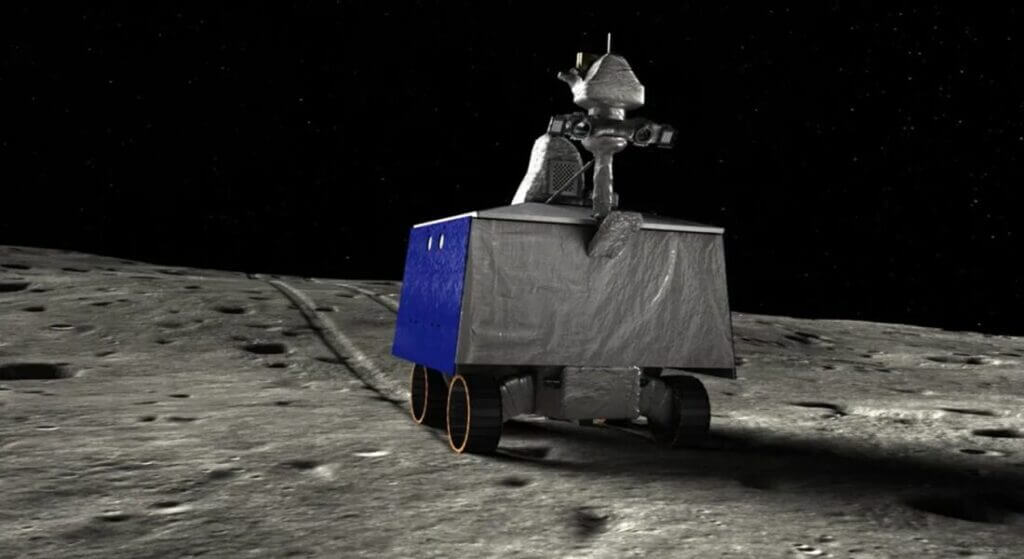
The “revival” of VIPER shows that NASA is not willing to let valuable projects go to waste, but seeks to integrate them into more flexible and economically viable strategies. For Blue Origin, on the other hand, the successful completion of the mission will be a huge vote of confidence in Blue Moon technology and its ambition to become a major player in the lunar economy.
The VIPER mission is not just a technical challenge; it is a key step on humanity's path to permanent presence in space. And if all goes as planned, 2027 could be the year we see a robotic explorer pave the way to the bases of the future, where the ice of the Moon will be transformed into fuel for humanity's next leaps.
