

To protect sensitive data, the US Congress has banned its staff from using Microsoft's artificial intelligence assistant, Copilot.
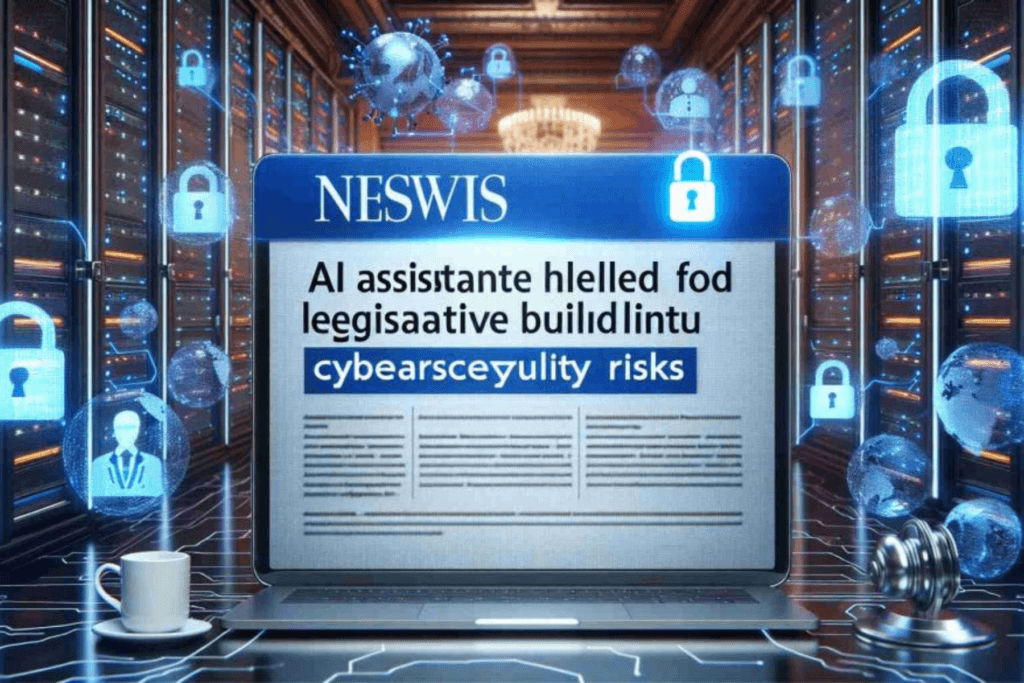
This decision is based on cybersecurity concerns regarding the risk of data leakage to unapproved cloud, according to the Congressional Cybersecurity Task Force. A Microsoft acknowledged the particular data security needs of government users and mentioned plans to adopt artificial intelligence tools specifically designed to comply with federal security standards within this year.
See also: Google Podcasts: Stopping in the US next week
Although no details have been provided, it is apparent that the action by the House of Representatives underscores the increasing scrutiny of artificial intelligence in government operations.
The decision is part of an ongoing government debate about how to address the integration of technology while protecting privacy, security and fairness in federal processes. Last year, members of the Senate from various parties tried to pass legislation against AI-generated information that could falsely influence political campaigns.
The ban on Microsoft Copilot in the US House of Representatives highlights concerns about the use of artificial intelligence in sensitive areas such as government operations. The decision to restrict Copilot reflects the increased importance of cybersecurity in the age of advanced technology, especially for federal agencies that handle confidential information related to national security. This incident reveals the importance of carefully vetting artificial intelligence tools to ensure they meet strict security protocols before being deployed in high-risk environments.
The field of artificial intelligence, which includes tools such as AI assistants, is growing rapidly. According to forecasts, significant growth is expected in the coming years. Advances in machine learning and the increasing use of cloud computing are accelerating this growth.
Furthermore, sectors such as healthcare and financial services are adopting artificial intelligence to improve operations, reduce costs, and improve decision-making processes.
However, the integration of AI into these areas raises a number of issues. The concern about privacy is crucial, as AI systems often process large amounts of personal data. There is also the risk of bias in AI decision-making, which needs to be addressed to avoid unjustified outcomes. Meanwhile, the risk of AI replacing some jobs remains a matter of significant debate and concern.
For institutions like the House of Representatives, which require high levels protection , the use of AI creates a delicate balance between promoting innovation and maintaining data security and privacy. Developing AI tools that comply with federal security, as proposed by Microsoft, will be critical to reducing risks and ensuring the safe use of AI in government.
See also: US Department of Education & CISA create council to improve cybersecurity in schools
Beyond the implications for the AI industry, the House ban may serve as a warning bell for other government agencies and industries, underscoring the need for careful implementation and strict oversight of AI technologies.
Source: ytech
🔒 Protect your privacy with Proton VPN
Swiss VPN from the creators of Proton Mail — strict no-logs policy, strong encryption, and built-in NetShield that blocks ads, trackers, & malware.
- ✔ No-logs, based in Switzerland (except 14-Eyes)
- ✔ NetShield: blocks ads, trackers & malicious domains
- ✔ Covers all devices — free version available
The link is an affiliate link — SecNews may receive a commission at no additional cost to you. It does not affect the independence of our article writing.
