

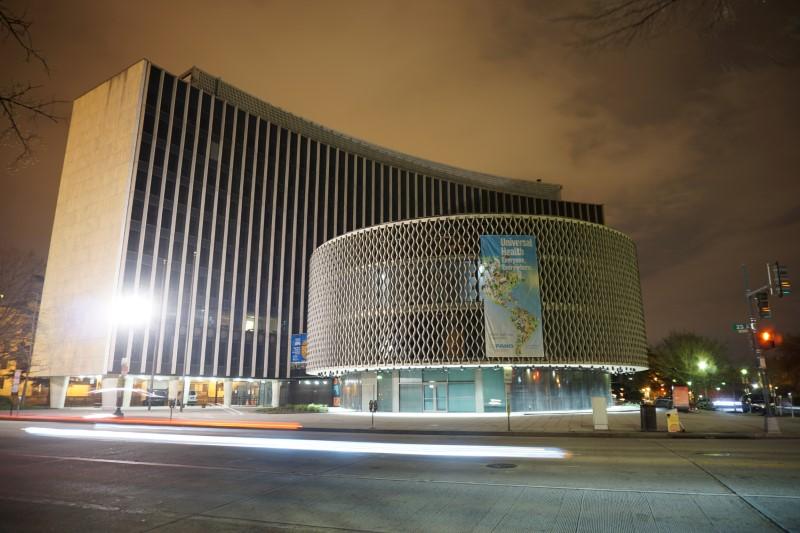
As Reuters reports, hackers attempted to attack the World Health Organization earlier this month.
According to the head of the WHO's Information Security Service, Flavio Aggio , the identity of the hackers was not revealed and their attempt was unsuccessful. However, he stressed that hacking attempts against the World Health Organization have increased significantly since the organization began fighting the coronavirus.
The first to point out the attempted intrusion into WHO systems was Alexander Urbelis, a cybersecurity expert and lawyer at the New York-based Blackstone Law Group, which monitors illegal activity on the internet.
Urbelis said he began monitoring the hacker group on March 13, when he noticed they had created a malicious site that mimicked the World Health Organization's internal email system. The expert said he did not know who was responsible, but two other sources said they suspected a top hacker known as DarkHotel, which has been conducting cyberespionage operations since 2007.
When asked by Reuters about the incident, Aggio confirmed that the website identified by Urbelis was used in an attempt to steal passwords from multiple employees.
In a publication last week, the World Health Organization warned that hackers are impersonating the organization to steal money and sensitive information from the public.
However, government officials in places like Britain and the United States have also noticed an increase in attempted attacks since the coronavirus pandemic began
At present, the motives for the attack on the World Health Organization have not been made known, however this is not the first time something like this has happened.
Cybersecurity firms , including Romania-based Bitdefender and Moscow-based Kaspersky, said they had identified many of DarkHotel's operations in East Asia - a region that has been particularly affected by the coronavirus. Specific targets included government officials and business executives in places like China , North Korea, Japan and the United States.
